Why Are Human Rights Groups Criticizing Bangladesh's Ordinance That Shields 2024 Protesters?
Synopsis
Human rights organizations globally are denouncing Bangladesh's controversial ordinance, which provides immunity to 2024 protestors, sparking concerns over justice and accountability. This legislation, seen as a violation of human rights and international law, raises crucial questions about the future of democratic governance in Bangladesh.
Key Takeaways
The July Mass Uprising Ordinance, 2026 grants legal immunity to protest participants.
It raises serious concerns regarding human rights violations .
The legislation undermines the rule of law .
Critics argue it institutionalizes a culture of impunity .
The vague definition of political resistance poses risks for future governance.
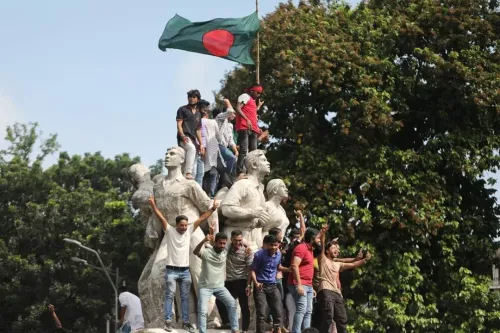
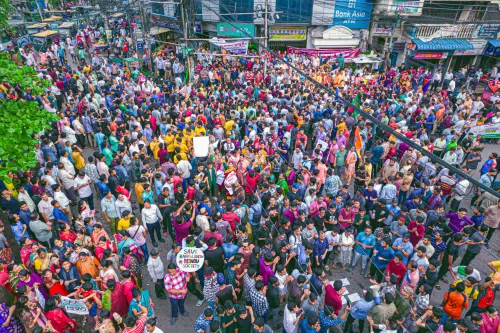
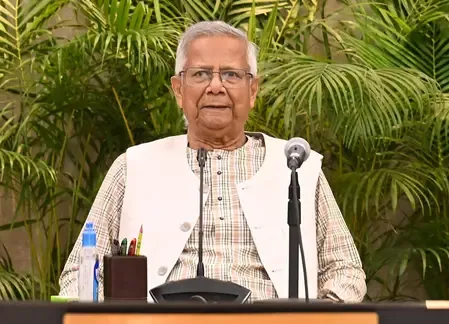
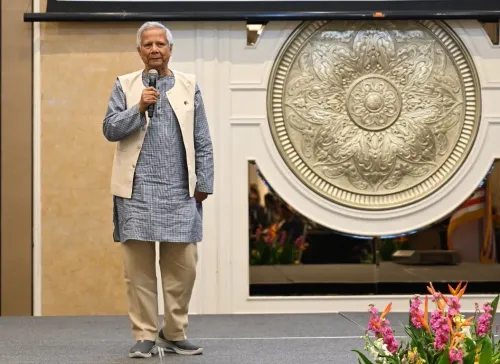
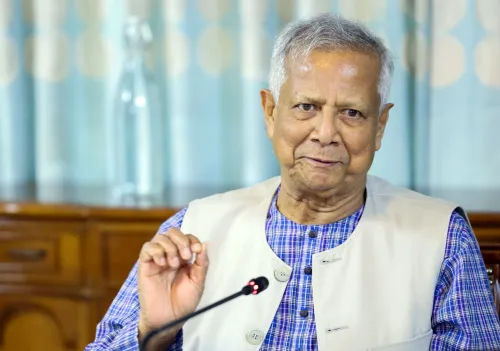
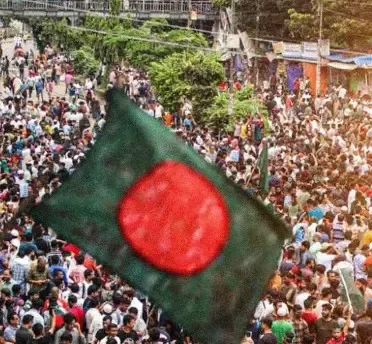
Paris, Feb 11 (NationPress) Numerous global human rights organisations have raised their voices against the “July Mass Uprising (Protection and Determination of Liability) Ordinance, 2026,” enacted by the interim government of Bangladesh led by Muhammad Yunus. This ordinance provides legal protection and indemnity to those involved in the 2024 protests that led to the ousting of the Sheikh Hasina-led Awami League government.
A gazette notification regarding this ordinance was published by the Legislative and Parliamentary Affairs Division of Bangladesh’s law ministry on January 25.
In a collective statement, ten human rights organisations indicated that the ordinance allows impunity for crimes committed under the guise of “political resistance,” directly infringing on the Constitution of Bangladesh, international human rights laws, and the core tenets of justice. They described this action as a blatant and serious breach of human rights.
“The fundamental principle of the ordinance is to provide immunity for actions taken under the label of 'political resistance'. However, historical context and international law clearly indicate that violent actions justified politically—particularly grave crimes like loss of life—must never be exempt from legal scrutiny. When the state legislates to shield a certain group from judicial accountability, it fosters a culture of impunity instead of justice,” the statement highlighted.
“Pertaining to events from July and August, the ordinance stipulates the dismissal of all prior criminal cases and forbids the initiation of future cases. Consequently, numerous families who have suffered the loss of children, parents, siblings, or loved ones to violence receive a clear message from the state: their grief, losses, and quest for truth will go unacknowledged legally. This situation signifies not only a denial of legal recourse but also a significant violation of human rights,” it further stated.
Expressing grave concern, the human rights organisations pointed out that the term “political resistance,” which lacks a specific, predictable, or internationally accepted legal definition, poses a serious risk that extrajudicial killings, property destruction, and violent crimes might be protected under the guise of “political resistance.”
“Thus, the law creates an ambiguous area where the distinction between criminal behaviour and political actions can be unjustly redefined. A basic principle of the rule of law is that laws must be explicit so that citizens can discern which behaviours are criminal and which are not. This ordinance fundamentally undermines that principle,” they emphasized.
Stressing that the ordinance establishes a deeply alarming precedent for global human rights safeguards, the organisations concluded, “Political stability cannot be achieved by circumventing justice, and no democratic future can be constructed by silencing the voices of victims.”
Point of View
It is essential to approach this matter with a commitment to uncovering the truth. While the ordinance claims to protect political activists, it simultaneously undermines the very fabric of justice and accountability. The voices of the victims must not be silenced, and we must advocate for a legal framework that upholds human rights for all.
NationPress
24 Oct 2026
Frequently Asked Questions
What is the July Mass Uprising Ordinance, 2026?
It is a legislative measure issued by Bangladesh's interim government that provides legal protection to participants in the 2024 protests that toppled the Sheikh Hasina government.
Why are human rights organizations concerned about this ordinance?
They argue it grants impunity for crimes committed under the guise of political resistance, violating the constitution and international human rights laws.
What are the implications of this ordinance?
It could institutionalize a culture of impunity, denying justice to victims and setting a troubling precedent for future governance.
What does 'political resistance' mean in this context?
The term is vague and lacks a precise legal definition, creating risks that violent acts could be justified under its umbrella.
How does this ordinance affect victims of violence?
Many families affected by violence are being denied legal recognition of their suffering and losses, representing a grave violation of their human rights.