Why Has Bangladesh Cut Its Budget for Health and Education?
Synopsis
Bangladesh's National Economic Council has drastically reduced funding for health and education sectors in the Annual Development Programme, a move that could have significant repercussions. The budget cut reflects ongoing challenges in project implementation and revenue generation, raising concerns about future impacts on public health and education.
Key Takeaways
Bangladesh's ADP has been cut by 12.5%.
Health sector funding reduced by 74%.
Education sector funding cut by 55%.
Concerns over underutilization of allocated funds.
Local government division received the most funding.
New Delhi/Dhaka, Jan 29 (NationPress) The National Economic Council (NEC) of Bangladesh has made substantial reductions to the health and education sectors within the Annual Development Programme (ADP), as reported by various media sources.
As part of the routine evaluation of the ADP at the midway point of the fiscal year, the NEC has decreased the overall budget by approximately 12.5 percent, bringing it down from the initial allocation of 230,000 crore taka (or 3.7 percent of GDP) to 208,935 crore taka (approximately 3.3 percent of GDP), according to The Daily Star, a prominent English-language publication in Bangladesh.
The report attributes this budget cut to several factors, including slow spending, inadequate revenue generation, sluggish external funding, and a lack of viable projects.
Specifically, the health sector experienced a staggering 74 percent reduction from its original budget of 18,148 crore taka, while the allocations for secondary and higher education were slashed by 55 percent from the initial 28,557 crore taka.
“The slow progress in these two critical social sectors during the first half of the fiscal year led to the NEC's decision to reduce their funding, as there were concerns about underutilization. This could potentially enhance the overall performance of the ADP by year-end,” the report elaborated.
“While this decision may seem reasonable in the short term, it is essential to conduct a thorough analysis of the historical issues affecting the low implementation rates in these sectors, and to take proactive measures to improve their performance moving forward,” it continued.
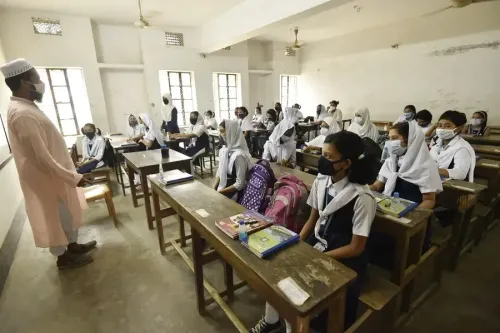
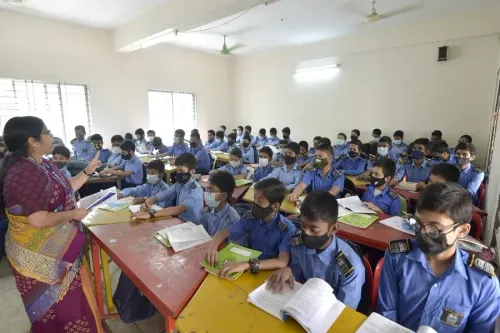
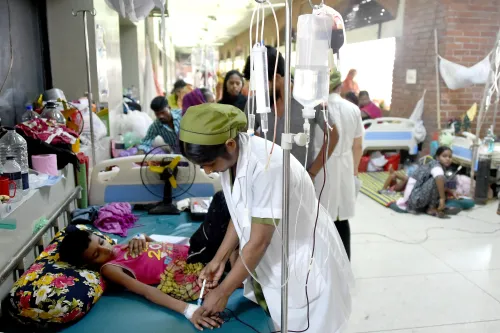
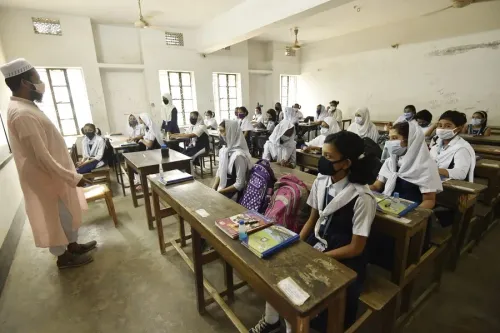
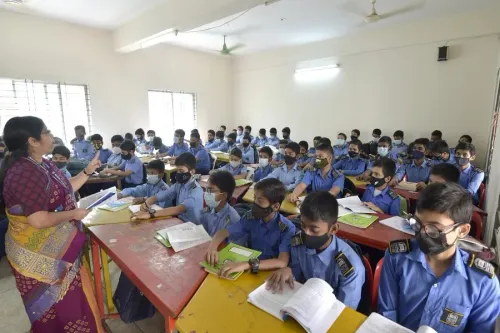
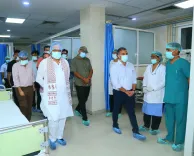
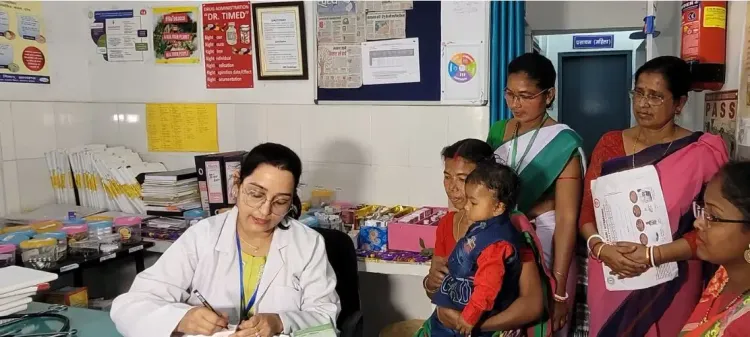
The drastic cuts to health funding in the RADP could severely impact the populace, leading to delays in critical medical treatments for conditions such as cancer, kidney disease, and heart ailments. Additionally, reductions in the education sector may result in more children dropping out of school.
The Revised Annual Development Programme (RADP) includes a total of 1,330 projects, which encompass 1,108 investment projects, 35 feasibility studies, and 121 technical assistance projects. Furthermore, 66 projects are being executed by autonomous bodies and corporations using their own funds, the report stated.
Remarkably, the local government division received the most substantial allocation of 37,534 crore taka in the RADP. This allocation supports social safety net initiatives and other community-based efforts aimed at poverty alleviation, infrastructure enhancement, and maintenance within city corporations, municipalities, and unions, as highlighted in the report.
Point of View
It is imperative to emphasize that while budget cuts may be seen as necessary to streamline government spending, they pose a significant risk to the well-being of our citizens. The health and education sectors are foundational to our country's progress, and any reductions must be carefully scrutinized to ensure that we are not sacrificing long-term development for short-term financial relief.
NationPress
25 Sept 2026
Frequently Asked Questions
What caused the budget cuts in Bangladesh's ADP?
The cuts were attributed to slow spending, lower than expected revenue, sluggish external fund flow, and a lack of feasible projects.
How much was the health sector budget cut?
The health sector saw a staggering 74% reduction from its original allocation.
What impact could these cuts have?
These cuts could delay essential medical treatments and result in an increase in school dropouts.
What is the total number of projects in the RADP?
The Revised Annual Development Programme includes a total of 1,330 projects.
Which sector received the highest funding in the RADP?
The local government division received the highest allocation of 37,534 crore taka in the RADP.