Bangladesh Closes Universities to Mitigate Energy Crisis Amid Global Tensions
Synopsis
In a decisive move to tackle the escalating energy crisis fueled by global conflicts, the Bangladesh government has ordered the closure of universities nationwide. This initiative aims to conserve vital resources and ensure responsible energy usage among institutions.
Key Takeaways
Bangladesh's universities are closed to conserve energy.
The decision aligns with the academic calendar until Eid al-Fitr.
Government emphasizes responsible energy usage at national level.
The energy crisis is linked to ongoing conflicts in West Asia.
Fuel stations are experiencing high demand and potential shortages.
Dhaka, March 9 (NationPress) The government of Bangladesh has announced the closure of universities nationwide to conserve electricity and fuel in response to the escalating energy crisis stemming from conflicts in West Asia, as reported by local media on Monday.
In a directive issued by the Ministry of Education, the closure will last until the conclusion of the holy Eid al-Fitr celebrations, aligning with the academic calendars of universities.
The directive emphasizes, "To effectively address the global energy crisis, it is crucial to practice responsible energy use at a national level. Public and private universities must ensure their staff members act efficiently in conserving electricity and energy," as quoted by Bangladesh's Bengali daily Prothom Alo.
Furthermore, the Ministry of Education has mandated the enforcement of an 11-point plan that includes limiting the use of vehicles designated by the Cabinet Division to help conserve energy.
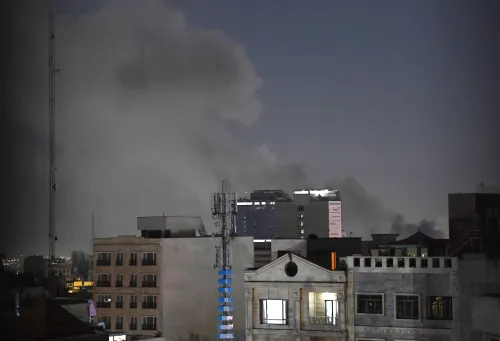
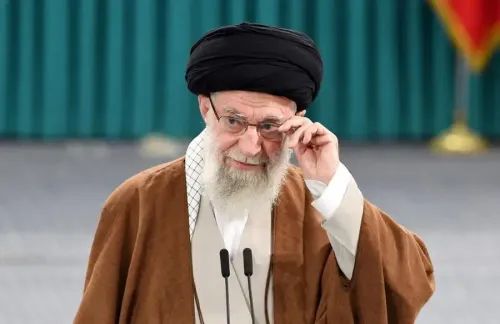
The ongoing energy crisis is linked to the conflict in West Asia, which escalated on February 28 when coordinated US-Israeli attacks targeted Iranian military sites, resulting in the death of Supreme Leader Ayatollah Ali Khamenei. Iran retaliated with missile and drone strikes against Israel, US interests, and several Gulf nations hosting American military bases.
As indicated by a report in Bangladesh's prominent newspaper, The Daily Star, the repercussions of the West Asian conflict are being felt in Bangladesh as global energy markets remain volatile.
This past weekend, fuel stations in Dhaka, Chattogram, and various other locations witnessed long lines as drivers hurried to secure fuel in anticipation of potential shortages.
"Many stations were overwhelmed, with drivers waiting for extended periods to fill their tanks. The country heavily relies on imported energy, particularly fuel oils and liquefied natural gas (LNG) from the Middle East. The closure of the Strait of Hormuz has raised alarms about possible supply disruptions affecting transport, industries, and households," as stated in a The Daily Star editorial.
"Approximately 20% of our crude oil imports transit through this critical route. While most refined petroleum products are sourced from other Asian suppliers, the uncertainty surrounding global energy distribution has heightened consumer apprehension," it further noted.
Point of View
It is essential to recognize the government's proactive approach in addressing the energy crisis. The closure of universities may be inconvenient, but it reflects a necessary step to conserve energy and navigate the uncertainties in global markets. This decision prioritizes national interest and responsible resource management.
NationPress
23 Sept 2026
Frequently Asked Questions
Why are universities in Bangladesh closing?
Universities are closing to conserve electricity and fuel due to the escalating energy crisis linked to conflicts in West Asia.
How long will the university closures last?
The closures will remain in effect until the end of the Eid al-Fitr holidays, as per the academic calendars.
What measures is the government taking to conserve energy?
The government has issued an 11-point directive aimed at reducing energy consumption, including limitations on vehicle use.
What is driving the global energy crisis?
The crisis is primarily driven by escalating conflicts in West Asia, particularly recent military actions involving Iran.
How is Bangladesh affected by the energy crisis?
Bangladesh is experiencing fuel shortages and long lines at gas stations due to reliance on imported energy.