Bangladesh Faces Economic Turmoil Amid Iran Conflict: Report
Synopsis
The escalating conflict involving the US and Israel against Iran poses a significant economic risk to Bangladesh, heavily reliant on fuel imports and remittances. Experts warn of severe consequences that could ripple through various sectors, leading to inflation and strain on foreign reserves.
Key Takeaways
Bangladesh is heavily reliant on imported fuel and remittances from the Middle East.
The ongoing Iran conflict could trigger a series of economic challenges.
Rising oil prices are already impacting the country's energy import costs.
The migrant workforce is at risk if economic activity slows in the Gulf.
Inflation and currency depreciation may further strain Bangladesh's economy.
New Delhi, March 11 (NationPress) The ongoing conflict between the US and Israel against Iran is presenting a significant economic challenge for Bangladesh, which remains heavily dependent on imported fuel and remittances from its workforce in the Middle East, as highlighted by a report from the Dhaka-based newspaper, The Daily Star.
Economists warn that the crisis stemming from this war is likely to trigger a cascade of adverse effects: escalating energy costs, disrupted trade routes, diminished export competitiveness, instability in the migrant labor market, fluctuations in remittance flows, increased inflation, and heightened pressure on foreign exchange reserves amid limited fiscal capacity, according to the report.
Zahid Hussain, former chief economist of the World Bank’s Dhaka office, noted that Bangladesh’s economic vulnerability could manifest through three primary avenues: energy, currency, and trade and finance.
He characterized the potential impact of the conflict as akin to an earthquake rather than a fleeting storm, the report details.
The most immediate and potentially drastic repercussions of the Iran conflict are being felt in global oil markets, with Brent crude prices soaring to $88 per barrel, having previously surged to a four-year peak of $119. This marks a substantial increase from around $72 per barrel prior to the war's escalation.
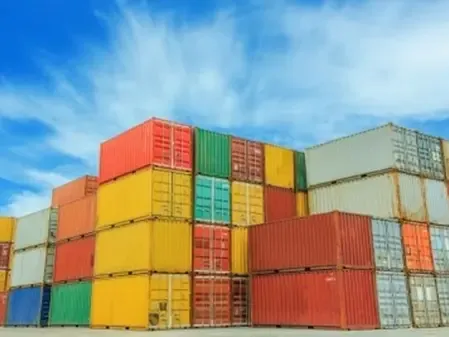
Significantly, major shipping lines have halted cargo bookings between the Indian subcontinent, including Bangladesh, and the Gulf region, which could lead to painful ramifications for the nation.
Bangladesh imports nearly all of its fuel—ranging from crude oil to refined petroleum and liquefied natural gas (LNG). A spike in oil prices would immediately escalate the country's energy import expenses.
Reports indicate that long queues have already formed at fuel stations nationwide as panic buying intensifies, prompting the government to close universities and implement fuel rationing to mitigate the impact.
Rising fuel prices would also drive up costs associated with electricity generation, transportation, and manufacturing. The government, which is already grappling with energy subsidies, would face challenging decisions: either absorb the increased costs through greater subsidies or pass these costs onto consumers via higher fuel and power prices.
Both approaches carry economic consequences, such as escalating subsidies straining public finances and increased domestic energy costs raising living expenses and production costs.
Bangladesh has been battling persistently high inflation, and any further increase in global oil prices would exacerbate these challenges by inflating transportation and logistics costs throughout supply chains. Higher fuel costs impact everything from agricultural irrigation to the distribution of essential goods, potentially driving food inflation higher and diminishing household purchasing power.
Energy imports represent one of Bangladesh’s largest sources of foreign currency outflows. A sustained rise in oil prices would further strain the country’s foreign exchange reserves.
As demand for US dollars increases, the Bangladeshi taka may face renewed depreciation, further escalating the domestic prices of imported goods and reinforcing inflationary pressures.
Additionally, Bangladesh’s substantial migrant workforce in the Middle East presents another risk factor. Since the fiscal year 2025, approximately 8.6 million Bangladeshi workers have sought employment abroad, with Saudi Arabia hosting nearly half of them. Should the conflict intensify, economic activity in the Gulf region could decline, jeopardizing jobs for migrant workers and reducing remittance inflows.
Even a slight economic slowdown in the region could impose additional stress on Bangladesh’s external balance, as remittances play a vital role in balancing the nation’s substantial import bill, the report concludes.
Point of View
It is crucial to assess the potential impacts on various sectors. The reliance on fuel imports and remittances makes the nation particularly vulnerable, and a proactive approach is necessary to navigate the challenges ahead.
NationPress
24 Sept 2026
Frequently Asked Questions
How is the Iran war affecting Bangladesh's economy?
The Iran conflict is causing rising energy prices, disrupted trade, and potential job losses for migrant workers, which threatens economic stability in Bangladesh.
What are the immediate impacts of rising oil prices?
Immediate impacts include increased energy import costs, higher inflation, and potential strain on foreign exchange reserves.
Why is Bangladesh's reliance on fuel imports a concern?
Bangladesh imports nearly all its fuel, making the economy vulnerable to global price fluctuations, especially during conflicts.
What could happen to remittances if the conflict escalates?
An escalation could slow economic activity in the Gulf, threatening jobs for Bangladeshi workers and reducing remittance inflows.
How can the government respond to rising energy costs?
The government may need to choose between increasing subsidies or raising fuel and power prices for consumers, each carrying significant economic consequences.