Impact of US-Iran Conflict on Bangladesh's Exports and Economic Stability
Synopsis
The ongoing US-Iran tensions could disrupt Bangladesh's export flow to major markets and jeopardize its economic stability, warns a report. Rising oil prices and supply chain disruptions are among the key concerns outlined.
Key Takeaways
US-Iran tensions threaten Bangladesh's export flow.
Rising oil prices could impact economic stability.
Supply chain disruptions may hinder industrial production.
Middle Eastern labor markets might limit hiring of Bangladeshi workers.
Historical conflicts indicate potential for significant economic impact.
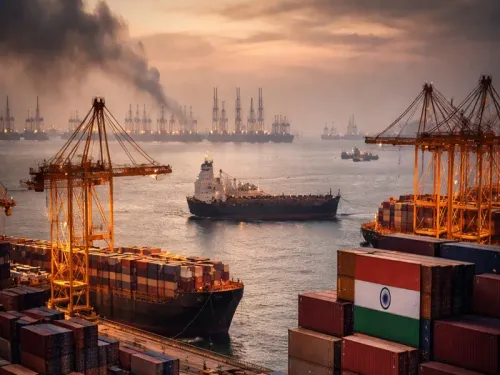
New Delhi, March 1 (NationPress) The ongoing US-Iran conflict is anticipated to severely impact the transport of Bangladesh's exports to both Europe and the United States, posing a threat to the nation's overall economic stability, according to a recent report.
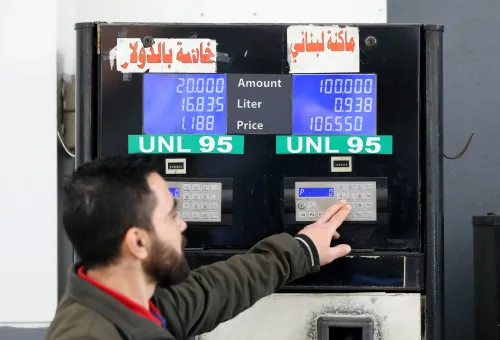
As reported by The Daily Star, escalating costs of imported oil and liquefied natural gas (LNG), along with interruptions in the supply chains for industrial raw materials, are likely outcomes if hostilities persist.
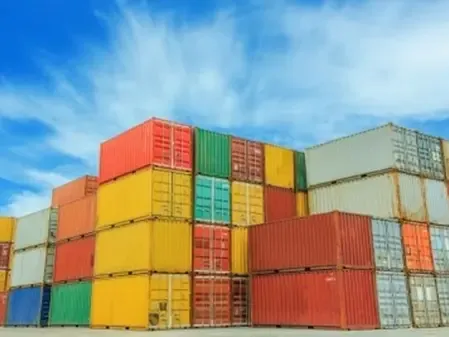
"Bangladesh invariably finds itself affected by geopolitical strife, due to its reliance on imports," remarked Harun-Ur-Rashid, the chairman of the Bangladesh Container Shipping Association.
Unpredictable energy prices and supply issues could exacerbate the balance of payments and deplete foreign exchange reserves, as the Middle East serves as a primary source for Bangladesh's imports, another expert noted.
Additionally, the proximity of the Suez Canal to Iran could complicate shipments to Europe and the US, particularly for garment exports, while a prolonged conflict might deter Middle Eastern labor markets from hiring Bangladeshi workers, the report highlighted.
“A prolonged war in the Middle East will inevitably have detrimental effects on oil prices, the transport of LPG, and its availability in global markets,” stated Mohammed Amirul Haque, managing director of Delta LPG and president of the LPG Operators Association of Bangladesh.
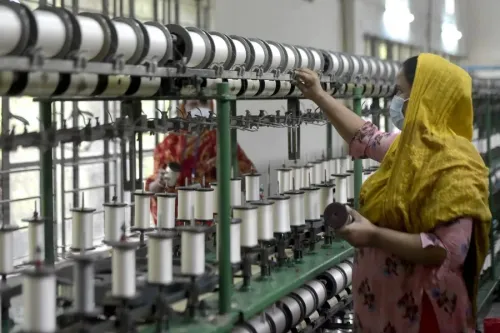
Mahmud Hasan Khan, president of the Bangladesh Garment Manufacturers and Exporters Association, noted that a sustained conflict could diminish consumer budgets, resulting in reduced spending on garments.
In FY25, Bangladesh exported goods valued at $10.9 million, primarily garments and pharmaceuticals, to Iran's $65 billion market, as per the report.
Analysts have observed that even brief conflicts can have significant repercussions on prices and supply chains, referencing previous incidents during the Iran-Iraq war in the 1980s.
The Islamic Revolutionary Guard Corps (IRGC) has declared a new series of attacks targeting US and Israeli military bases across the Middle East, aiming to retaliate for recent US-Israeli strikes on Iran that allegedly resulted in the death of Supreme Leader Ayatollah Ali Khamenei.
Point of View
Any geopolitical tensions can have immediate repercussions on trade, prices, and employment. It is crucial for policymakers to prepare for potential disruptions and safeguard the interests of the country's export sector.
NationPress
20 Sept 2026
Frequently Asked Questions
How could the US-Iran war affect Bangladesh's economy?
The conflict may disrupt exports, increase energy prices, and affect supply chains, leading to overall economic instability.
What sectors in Bangladesh are most at risk?
The garment and pharmaceutical sectors are particularly vulnerable due to their reliance on exports to Europe and the US.
What measures can Bangladesh take to mitigate these risks?
Strengthening trade relationships with other regions and diversifying import sources may help reduce dependency on the Middle East.
What impact could this have on employment in Bangladesh?
A prolonged conflict might deter Middle Eastern markets from hiring Bangladeshi workers, affecting job opportunities.
How has the historical context of conflicts impacted Bangladesh's trade?
Historical conflicts, like the Iran-Iraq war, have shown that even short-term tensions can disrupt trade and affect prices significantly.