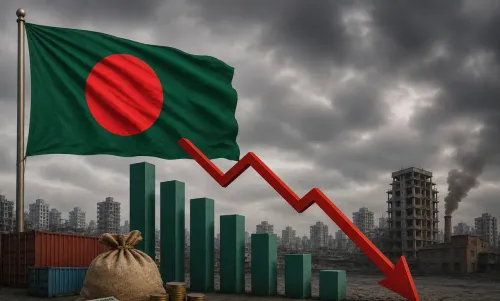
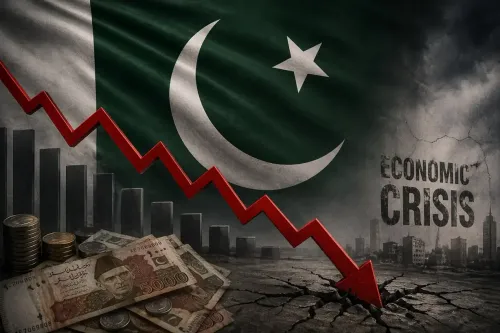
Economic Risks for Bangladesh and Pakistan Heightened by Iran Conflict: Report
Synopsis
The Middle East crisis is amplifying economic vulnerabilities for Bangladesh, Pakistan, and Sri Lanka due to their dependence on imported energy. A recent S&P Global Ratings report sheds light on this precarious situation, urging attention to potential risks and ongoing economic recovery challenges.
Key Takeaways
The Middle East conflict poses significant economic risks for Bangladesh, Pakistan, and Sri Lanka.
These countries are heavily reliant on imported energy, making them vulnerable to price fluctuations.
High inflation and potential supply disruptions threaten economic recovery.
Bangladesh's low revenue-to-GDP ratio compounds its economic challenges.
Laos has a comparatively stable economic outlook due to its hydropower dependency.
New Delhi, March 30 (NationPress) The ongoing crisis in the Middle East presents a significant threat to Bangladesh, Pakistan, and Sri Lanka, particularly due to their heavy reliance on imported energy and limited stockpiles, as highlighted in a report by S&P Global Ratings.
These nations are especially susceptible to spikes in oil prices and the possibility of supply interruptions. A drawn-out shock in global energy prices could adversely affect their sovereign credit ratings, the report indicates.
S&P Global Ratings, known for its analyst-driven credit ratings, research, and sustainable finance insights, notes that such analyses are critical for guiding market players in making informed decisions amidst complexity.
While Pakistan, Sri Lanka, and Bangladesh are displaying signs of economic recovery, ongoing elevated energy costs and potential disruptions to trade and remittances could threaten their delicate economies, according to the report.
It also mentions that Laos has a comparatively lower vulnerability owing to its dependence on hydropower and a more stable fiscal framework. Although it remains at risk from prolonged energy price fluctuations, the factors supporting its long-term positive ratings outlook are currently intact.
"Our ratings for Bangladesh are expected to endure short-term economic disruptions associated with our base-case scenario," stated the credit rating agency.
Nonetheless, the nation faces increasing challenges to growth, inflation, and its external financial balance if energy prices continue to rise longer than expected.
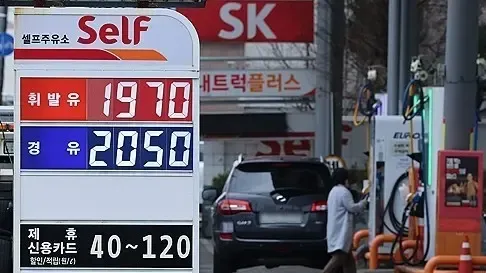
Surging fuel costs are likely to hinder the gradual decrease in inflation over the next three to six months, potentially weakening the economic recovery.
The report emphasizes that Bangladesh's economy is heavily dependent on imports for both crude and refined oil, with reserves projected to last for less than a month. If imports remain restricted, stricter measures to reduce consumption may need to be enacted.
Approximately 50% of Bangladesh's electricity generation is sourced from gas, and nearly a quarter of its gas demand is satisfied through imports, which could also face disruptions in the event of an extended conflict in West Asia.
Currently, the nation is contending with persistently high inflation, which increased to 9.2% in February from 8.6% in January, coupled with a prolonged growth slowdown following the collapse of the previous government in mid-2024.
Bangladesh's revenue-to-GDP ratio ranks among the lowest of all rated sovereigns, estimated at around 9% for the current fiscal year concluding in June 2026.
The ongoing war also serves as an unwelcome obstacle to Bangladesh's improving external balance. As of March 12, 2026, foreign exchange reserves rose to $29.6 billion, a substantial increase from $19.7 billion during the same time frame in 2025, as reported.
Point of View
It is evident that the ongoing crisis in the Middle East adds layers of complexity to the economic landscapes of Bangladesh, Pakistan, and Sri Lanka. The report by S&P Global Ratings underscores the urgent need for these nations to diversify their energy sources and strengthen their economic resilience amidst rising global uncertainties.
NationPress
15 Oct 2026
Frequently Asked Questions
What risks do Bangladesh, Pakistan, and Sri Lanka face due to the Middle East crisis?
These countries are highly dependent on imported energy, making them vulnerable to rising oil prices and potential supply disruptions, which could negatively impact their economies and credit ratings.
How does the ongoing crisis affect Bangladesh's economy?
Bangladesh's economy is at risk of high inflation and economic slowdown due to its reliance on oil imports and rising fuel prices, which could hinder recovery efforts.
What are the current economic indicators for Bangladesh?
As of February, inflation in Bangladesh rose to 9.2%, and the country has one of the lowest revenue-to-GDP ratios among rated sovereigns, estimated at around 9% for the fiscal year ending June 2026.
How do energy prices impact the sovereign credit ratings of these countries?
Prolonged shocks in energy prices can adversely affect the sovereign credit ratings of Bangladesh, Pakistan, and Sri Lanka, as highlighted by S&P Global Ratings.
Is Laos affected by the same energy vulnerabilities?
Laos is less exposed due to its reliance on hydropower generation and a more balanced fiscal position, although it remains vulnerable to extended energy price shocks.