Goyal Hails First Ladakh Organic Apricot Export to UAE

Synopsis
Union Commerce Minister Piyush Goyal on 16 July 2026 flagged the first export of 5 metric tonnes of organic apricots from Ladakh to the UAE via APEDA, framing it as a milestone for farmer income growth and India's organic export ambitions.
Key Takeaways
5 metric tonnes of organic apricots from Ladakh have been exported to the UAE in what is described as the first such consignment.
The shipment was facilitated by APEDA , the Ministry of Commerce and Industry's nodal export promotion body established in 1985 .
The India-UAE CEPA (February 2022) reduced tariff barriers for Indian agricultural goods entering the UAE, enabling such trade flows.
India's Agricultural Export Policy 2018 and the National Programme for Organic Production (NPOP) provide the policy and certification framework underpinning the export.
Ladakh's high-altitude cold desert climate makes it naturally suited to organic cultivation, giving its produce a competitive edge in premium international markets.
Minister Piyush Goyal said the initiative will help give Indian organic products 'international recognition' and create 'sustainable livelihood' opportunities for farmers.
Union Commerce and Industry Minister Piyush Goyal on Thursday, 16 July 2026, highlighted the first export consignment of 5 metric tonnes of organic apricots from Ladakh to the United Arab Emirates, calling it a strong example of APEDA's ongoing efforts to connect Indian farmers with global markets.
Posting on X, Goyal wrote: 'Ladakh se UAE ke liye 5 metric tonne organic khubani ki pehli khep ka niryaat' — ('the first shipment of 5 metric tonnes of organic apricots from Ladakh to the UAE') — and described it as a 'powerful example' of farmers across the country receiving better prices for their produce and gaining new access to international markets through the efforts of APEDA (Agricultural and Processed Food Products Export Development Authority).
Context
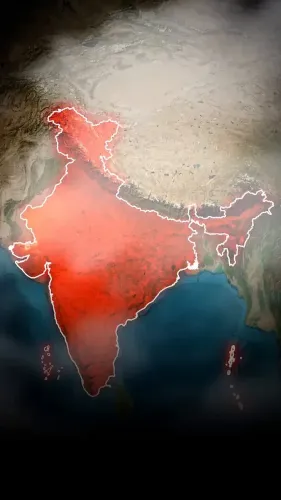
Ladakh, a Union Territory situated at high altitude in a cold desert climate, is naturally suited to organic cultivation of niche crops, with apricots among its most distinctive produce. The region's remote geography has historically limited farmers' ability to access premium markets, making export linkages a significant development for local livelihoods.
The consignment marks the first time Ladakhi organic apricots have been shipped directly to the UAE, a milestone that Goyal said would 'play an important role in giving Indian organic products international recognition, increasing farmers' incomes, and creating new opportunities for sustainable livelihoods.'
Policy Backdrop
APEDA, established in 1985 under the Ministry of Commerce and Industry, is the nodal agency for promoting exports of agricultural and processed food products. It operates under the National Programme for Organic Production (NPOP), in place since 2000, which sets certification standards that allow Indian organic produce to gain overseas market entry.
The Agricultural Export Policy 2018 identified organic products as a priority export category and set targets for raising India's overall agri-export volumes. These policy instruments together form the framework within which APEDA facilitates supply chains from remote producers to international buyers.
The India-UAE Comprehensive Economic Partnership Agreement (CEPA), signed in February 2022, liberalised market access for a range of agricultural goods, lowering tariff barriers that had previously constrained Indian agri-exports to the Gulf market. The Ladakh apricot shipment is among the early agricultural trade flows that benefit directly from this agreement.
Stakeholders and Impact
The immediate beneficiaries are Ladakh's apricot-growing farming communities, who stand to receive better farmgate prices when their produce is routed through certified organic export channels rather than domestic commodity markets. Organic certification typically commands a significant price premium in international markets.
For India's broader export strategy, the shipment adds to a growing pattern of using APEDA to link Himalayan and north-eastern producers — who often cultivate crops in conditions naturally conducive to organic farming — with high-value buyers in the Gulf and beyond. The UAE is also a re-export hub, meaning Indian organic produce entering Dubai can reach wider regional markets.
What's Next
The scale of subsequent Ladakh organic apricot shipments in the current and coming seasons will be a key indicator of whether this first consignment translates into a sustained export corridor. Analysts and stakeholders will also watch for any mid-term review of APEDA's 2024–2027 export action plan, which is expected to set revised targets for organic and GI-tagged product categories.
If the Ladakh apricot corridor proves commercially viable, it could serve as a template for other high-altitude Union Territories and north-eastern states with similar organic produce potential, deepening India's diversification away from bulk commodity exports toward premium, identity-linked agricultural goods.
Point of View
High-altitude farming regions. By publicly amplifying the consignment, Goyal is reinforcing the Commerce Ministry's narrative that trade agreements — particularly the 2022 India-UAE CEPA — are delivering tangible benefits at the farm level, not just at the level of aggregate trade statistics. The move also signals continued political investment in Ladakh's economic integration, a priority that carries strategic weight given the Union Territory's geopolitical sensitivity. Whether a 5-tonne pilot translates into a commercially self-sustaining corridor will depend on logistics costs, consistent organic certification, and buyer demand — factors that ministerial posts alone cannot resolve.
NationPress
16 Jul 2026
Frequently Asked Questions
What is the significance of Ladakh's first organic apricot export to the UAE?
It marks the first time Ladakh's organic apricots have been exported directly to the UAE, opening a premium international market for high-altitude farmers who previously had limited access to global buyers.
What is APEDA and what role does it play in agricultural exports?
APEDA, the Agricultural and Processed Food Products Export Development Authority, was established in 1985 under India's Ministry of Commerce and Industry to promote and develop exports of agri and processed food products, including certified organic produce.
How does the India-UAE CEPA help Indian organic farmers?
The Comprehensive Economic Partnership Agreement signed between India and the UAE in February 2022 reduced tariff barriers on a range of agricultural goods, making it easier and more cost-effective for Indian exporters to sell produce — including organics — in the UAE market.
Why is Ladakh well-suited for organic farming?
Ladakh's high-altitude cold desert climate, low pest pressure, and traditional low-input farming practices make it naturally conducive to organic cultivation, particularly of niche crops like apricots.
What government policies support India's organic product exports?
The Agricultural Export Policy 2018 identified organics as a priority export category, while the National Programme for Organic Production (NPOP), operational since 2000, provides the certification standards that APEDA uses to facilitate market entry for Indian organic produce abroad.