Why Did Two University Teachers in Bangladesh Get Dismissed Over Blasphemy Claims?

Synopsis
The dismissal of two Bangladeshi university teachers over blasphemy allegations raises serious concerns about academic freedom. Justice Makers Bangladesh condemns the actions taken under mob pressure and demands immediate action to protect the rights of educators. This incident could have lasting implications for freedom of expression in the country's educational landscape.
Key Takeaways
The dismissal of two teachers has raised serious concerns about academic freedom.
Justice Makers Bangladesh strongly condemns the actions taken under mob pressure.
The incident could set a dangerous precedent for educators in Bangladesh.
Due process was not followed in the dismissals.
Calls for an independent investigation are being made.
Paris, Jan 21 (NationPress) A prominent global human rights organization has vehemently criticized the termination of two faculty members from a private university in Bangladesh due to allegations of blasphemy, labeling the event as a perilous precedent for academic freedom in the South Asian country.
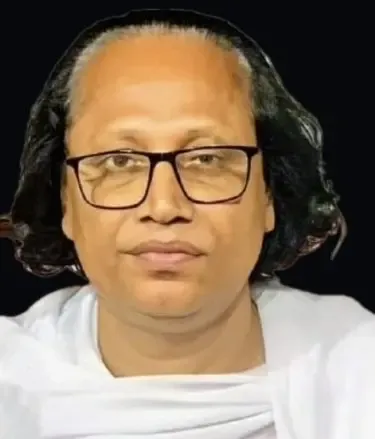
The university authorities of the University of Asia Pacific (UAP) in Dhaka dismissed Assistant Professor Layeka Bashir and Associate Professor ASM Mohsin, who headed the Department of Basic Sciences and Humanities, on January 18.
Justice Makers Bangladesh in France (JMBF), an advocate for human rights based in Paris, remarked that dismissing the educators on charges of “blasphemy,” amid pressures from extremist student protests and organized mobs, without completing a transparent investigation and without allowing the teachers an opportunity to defend themselves violates due process. The actions are a significant breach of the Constitution of Bangladesh, the Universal Declaration of Human Rights, fundamental justice principles, and academic freedom.
The rights organization expressed alarm that the decision to arbitrarily terminate the teachers occurred while an investigation committee was still deliberating on the alleged blasphemy. Additionally, the dismissed educators were not permitted to present their defense, and due legal processes were ignored.
“Labeling educators as ‘Islamophobic’ for sharing personal views on social media, inciting mobs against them, threatening them, and ultimately coercing their dismissal through administrative actions sets a chilling precedent. It reveals that university officials prefer to yield to organized violence rather than safeguard the rights and safety of their faculty,” stated JMBF's Chief Advisor, noted French human rights advocate Robert John Paul Simon.
The JMBF insisted that this incident is not only an injustice against two individuals but also a troubling precedent for Bangladesh's educational framework and freedom of expression.
“If academics can be dismissed under mob pressure, they will no longer be able to think freely, conduct research, or express their opinions openly in the future,” it warned.
The rights organization demanded an immediate suspension and reversal of the decision to fire the two educators. Furthermore, it called for the establishment of an independent, impartial, and transparent investigation commission that meets international standards, ensuring the safety and dignity of the accused.
Stating that justice cannot be determined by mob rule, the JMBF declared, “Unless the use of religion as a political tool to suppress dissent is challenged,” it will only escalate violence, division, and a culture of fear throughout Bangladesh.
Point of View
We recognize that the dismissal of the two teachers highlights a critical issue of academic freedom and the influence of mob mentality on educational institutions. We stand firmly with justice and the protection of educators' rights, emphasizing the need for due process and transparent investigations in all allegations, particularly those that threaten freedom of expression.
NationPress
19 Sept 2026
Frequently Asked Questions
What were the reasons for the dismissal of the teachers?
The teachers were dismissed over allegations of blasphemy, reportedly under pressure from extremist student protests and organized mobs.
Which university were the teachers associated with?
The teachers were associated with the University of Asia Pacific (UAP) in Dhaka, Bangladesh.
What does Justice Makers Bangladesh say about the dismissals?
Justice Makers Bangladesh condemns the dismissals as a violation of due process and a dangerous precedent for academic freedom.
What actions are being called for regarding the dismissals?
There are calls for the immediate suspension of the dismissal decision and the formation of an independent investigation commission.
What implications does this incident have for academic freedom?
This incident raises serious concerns about the future of academic freedom and freedom of expression in Bangladesh's educational system.