Bangladesh's south-west coast women walk miles for safe water amid crisis
Synopsis
In Bangladesh's south-west coastal belt, salinity has made traditional water sources undrinkable — and women are paying the steepest price. They walk up to five kilometres daily for water, stand hip-deep in saline water for their livelihoods, and face rising rates of infections and reproductive health complications. Millions of dollars in relief infrastructure now lies abandoned, exposing the limits of short-term humanitarian fixes.
Key Takeaways
Millions on Bangladesh's south-west coast lack access to safe drinking water due to severe salinity intrusion in ponds, tube wells, and other sources.
Women and adolescent girls walk between 2 and 5 kilometres daily to collect potable water, losing several hours from education and income-generating activities.
A 2025 study in Gabura Union found coastal women face alarming rates of skin infections, urinary tract infections, and reproductive health complications from prolonged exposure to saline water.
Overlapping crises — cyclones, storm surges, riverbank erosion, waterlogging, and extreme heat — compound the water and health emergency.
Government and NGO interventions including reverse osmosis plants and rainwater harvesting tanks have largely been abandoned due to lack of maintenance funding .
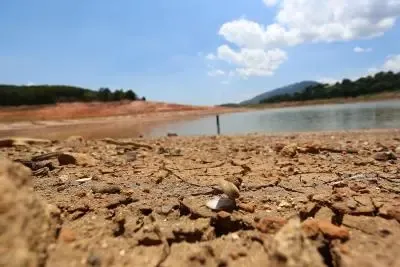
Millions of people along Bangladesh's south-west coastline are struggling to access safe drinking water, as ponds, tube wells, and other traditional sources have been rendered undrinkable by severe salinity intrusion, according to a report. The crisis, which disproportionately burdens women and adolescent girls, has escalated into what observers describe as a full-blown public health emergency.
The Scale of the Water Crisis
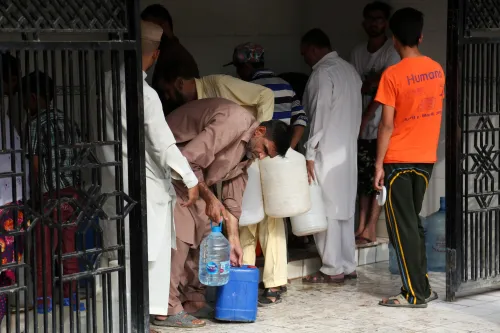
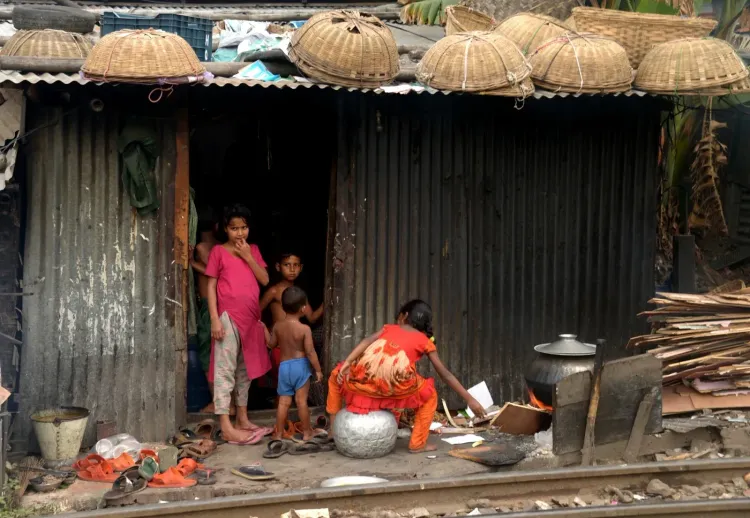
Women in the region reportedly walk between two and five kilometres every day carrying plastic containers in search of potable water — a daily ordeal that consumes several hours and strips time away from education, income generation, rest, and personal care. According to the report, the burden of household water collection falls squarely on women and adolescent girls, compounding existing socioeconomic vulnerabilities.
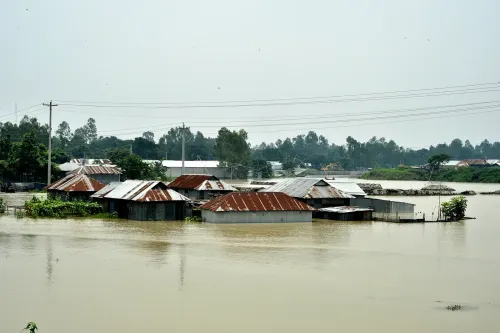
The water crisis does not exist in isolation. Salinity intrusion, frequent cyclones, destructive storm surges, riverbank erosion, permanent waterlogging, and extreme heat waves continuously reinforce one another, the report noted. When households lose crops or fishing income to rising salinity, the cost of basic survival escalates sharply.
Health Risks Hitting Women Hardest
A 2025 study conducted in Gabura Union highlighted how water-dependent livelihoods combined with long distances to health facilities significantly heighten reproductive health risks. Women engaged in shrimp-fry collection and aquaculture reportedly spend hours standing hip-deep in saline water, resulting in alarming rates of skin infections, urinary tract infections, and long-term reproductive health complications, the report stated.
Broken transport infrastructure and routinely delayed medical care further force families to spend a disproportionate share of their already limited incomes just to procure water and access basic healthcare.
Failed Interventions and Systemic Gaps
Governments and Non-Governmental Organisations (NGOs) have introduced several interventions over the years — including rainwater harvesting tanks, pond-sand filters (PSFs), reverse osmosis plants, and temporary health camps. However, due to a lack of long-term maintenance funding and reliable backup sources, infrastructure worth millions of dollars has reportedly been abandoned or fallen into disrepair.
'The reality on the ground proves that isolated charitable activities cannot solve this systemic crisis,' the report concluded, underscoring the need for sustained, coordinated intervention rather than piecemeal relief.
What Needs to Change
Experts and field researchers point to the need for structural solutions: reliable freshwater infrastructure, community-maintained water systems, accessible reproductive healthcare, and economic safety nets for coastal households. This comes amid growing global attention to climate-linked humanitarian crises in low-lying deltaic regions, of which Bangladesh's coastline is among the most vulnerable in the world.
Without long-term investment and political will, the cycle of environmental shocks and public health failures is expected to deepen as climate pressures intensify.
Point of View
Infrastructure neglect, and gender inequality intersect with devastating results. What is striking is not just the scale of the problem but the documented failure of relief interventions: millions of dollars in water infrastructure now abandoned. This signals that the humanitarian response model — project-based, externally funded, lacking community ownership — is structurally unfit for a crisis that is permanent, not episodic. The gendered dimension also deserves more scrutiny: when women lose hours daily to water collection, the economic and educational cost is enormous and largely uncounted in official assessments.
NationPress
19 Oct 2026
Frequently Asked Questions
Why is there a water crisis on Bangladesh's south-west coast?
Severe salinity intrusion has rendered ponds, tube wells, and other traditional water sources undrinkable across Bangladesh's south-west coastline. The problem is compounded by cyclones, storm surges, riverbank erosion, waterlogging, and extreme heat, which continuously reinforce one another.
How does the water crisis affect women in Bangladesh?
Women and adolescent girls bear the primary responsibility for household water collection, walking between two and five kilometres daily to find safe water. This consumes several hours each day, reducing time available for education, income generation, and rest.
What health risks do coastal women in Bangladesh face?
According to a 2025 study in Gabura Union, women in shrimp-fry collection and aquaculture spend hours standing hip-deep in saline water, leading to alarming rates of skin infections, urinary tract infections, and long-term reproductive health complications. Long distances to health facilities further delay medical care.
What interventions have been tried to address the crisis?
Governments and NGOs have deployed rainwater harvesting tanks, pond-sand filters, reverse osmosis plants, and temporary health camps. However, most of this infrastructure has been abandoned or broken due to a lack of long-term maintenance funding and reliable backup sources.
What do experts say is needed to resolve the crisis?
Reports indicate that isolated charitable activities are insufficient and that systemic, sustained solutions are required — including reliable freshwater infrastructure, community-maintained water systems, accessible reproductive healthcare, and economic safety nets for coastal households.