Balochistan Faces Critical Water Crisis Amid Population Surge
Synopsis
A deepening water crisis in Balochistan is driven by a soaring population, threatening the province's ecological balance. As families ration water daily, experts warn of impending food insecurity and displacement.
Key Takeaways
Severe water crisis threatens Balochistan's ecology.
Population growth reached 14.89 million.
Projected to exceed 35 million by 2050.
Groundwater resources are critically depleted.
Infrastructure projects are delayed, compounding the crisis.
Quetta, Feb 23 (NationPress) A significant water crisis is emerging in Pakistan's Balochistan, exacerbated by a rapid population growth that threatens to destabilize the province's delicate ecosystem, according to a report.
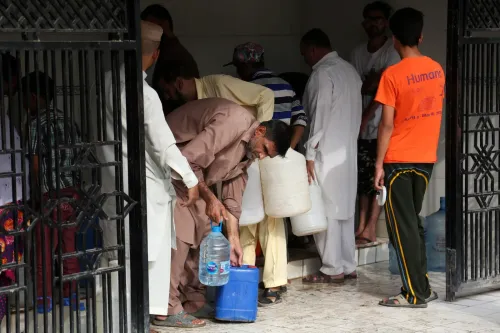
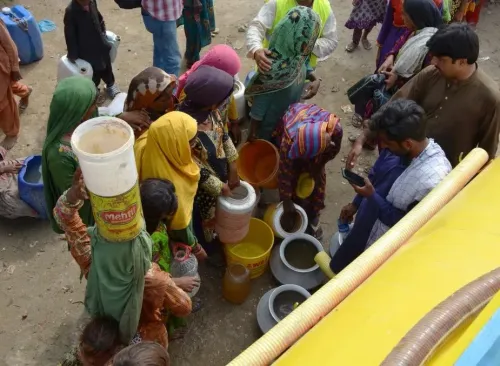
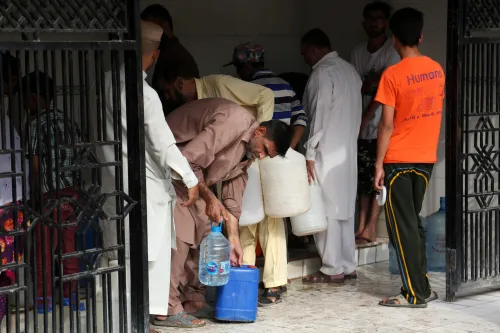
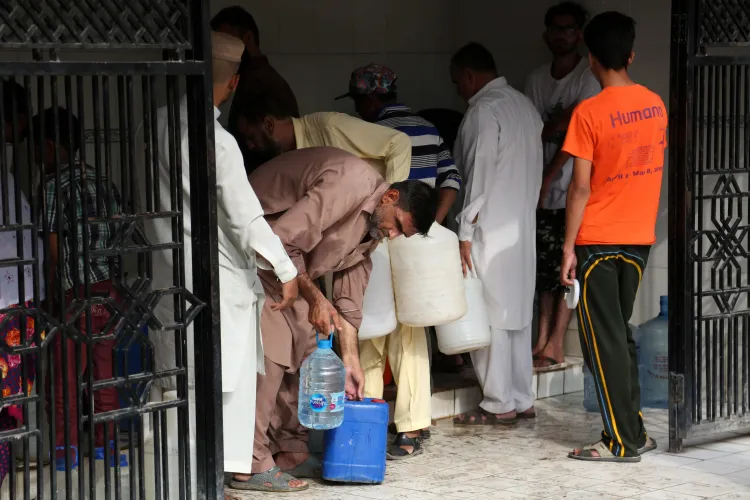
"Every morning in Quetta, before the sun rises over the rugged peaks of the Sulaiman Mountains, a wave of anxiety begins. It kicks off with the hollow, metallic sound of a dry tap. For numerous households, this noise signifies the commencement of a daily struggle for survival. It reverberates through neighborhoods with one pressing question: 'Will water arrive today?'' the report in Pakistan's Express Tribune magazine noted.
"In the extensive neighborhoods of the provincial capital, families carefully ration every drop, deliberating whether a liter of water should be allocated for cooking or washing a child’s face. What was once a seasonal hassle has evolved into a defining aspect of life in Balochistan. This silent crisis coincides with a demographic surge that is poised to overwhelm the province's vulnerable ecology," it continued.
As per Abdul Sattar Shahwani, Director of the Population Management and Communication Team (PMCT), Balochistan's population has surged to 14.89 million, up from 12.34 million in 2017, reflecting an average annual growth rate of 3.2 percent. Official forecasts indicate that Balochistan's population could reach 18.57 million by 2030 and potentially exceed 35 million by 2050.
"We are adding millions to a landscape that is progressively losing its capacity to sustain life," the report quoted a local urban planning consultant.
The consultant added, "If the population doubles while the water table halves, the arithmetic simply doesn't add up. We are heading towards an impossibility."
For decades, Balochistan relied on groundwater, but that resource is now depleted. The World Bank has reported that 95 percent of Balochistan's agricultural land is dependent on groundwater extraction, with only five percent connected to the Indus Basin’s canal system. This heavy reliance has turned a vital resource into a liability.
Data from the International Union for Conservation of Nature (IUCN) shows that groundwater was accessible at 50 meters in 2000, but by 2023 that depth has increased to over 150 meters in many regions. The water table in Quetta is falling by two to five meters annually.
"The crisis is not uniform; it presents a patchwork of despair. The UK-funded District Vulnerability Index for Pakistan (DVIP) identifies 17 districts in Balochistan as being on the brink of catastrophe. From the arid expanses of Washuk and Chagai to the hilly regions of Zhob and Kalat, declining water tables coupled with growing populations are converging to create a perfect storm for food insecurity and displacement," wrote Mohammad Zafar Baloch in The Express Tribune magazine.
Tanveer Jamote, Deputy Secretary of the Public Health Engineering (PHE) Department, noted that Quetta's daily demand is approximately 60 million gallons, while the government only provides about 30 million.
Residents hoped for temporary relief from the Mangi Dam, intended to deliver eight million gallons daily to Quetta. However, the project has been hampered by bureaucratic delays, with costs ballooning to 19.8 billion rupees and a new completion date of March 31, 2026, after initially being slated for 2022. Lawmakers from the Public Accounts Committee have expressed frustration over these setbacks.
Point of View
The situation in Balochistan highlights the urgent need for sustainable water management and population control strategies. The intersection of dwindling resources and rising demographics presents a formidable challenge that requires immediate attention from both local and national authorities.
NationPress
12 Oct 2026
Frequently Asked Questions
What is causing the water crisis in Balochistan?
The water crisis in Balochistan is primarily due to rapid population growth combined with over-dependence on groundwater, which is being depleted at alarming rates.
How has the population of Balochistan changed recently?
Balochistan's population has increased from 12.34 million in 2017 to 14.89 million in 2023, indicating an average annual growth rate of 3.2 percent.
What are the projected population figures for Balochistan?
Official estimates suggest that Balochistan's population could reach 18.57 million by 2030 and potentially exceed 35 million by 2050.
How is the local government addressing the water crisis?
Efforts like the Mangi Dam project aim to alleviate the water supply issues, but bureaucratic delays and rising costs have hindered progress.
What regions in Balochistan are most affected by the water crisis?
The District Vulnerability Index identifies 17 districts in Balochistan as critically affected, including areas from Washuk and Chagai to Zhob and Kalat.