How Many Civilians and Security Personnel Were Killed in Balochistan This Year?
Synopsis
In a year marked by escalating violence, Balochistan has witnessed the deaths of 248 civilians and 205 security personnel, making 2025 one of its deadliest years. As the region grapples with insecurity and unrest, concerns mount over the safety of its people and the effectiveness of government measures.
Key Takeaways
248 civilians and 205 security personnel killed in Balochistan in 2025.
432 armed incidents reported this year.
Major attacks include multiple suicide bombings.
Public calls for government action to restore safety.
Concerns over the reliability of official statistics.
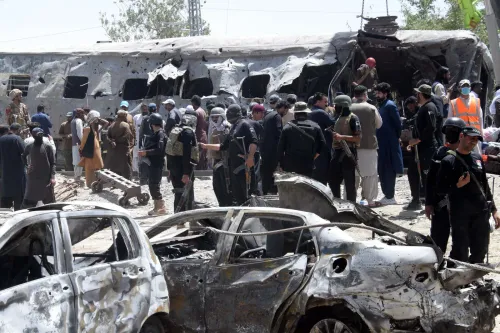
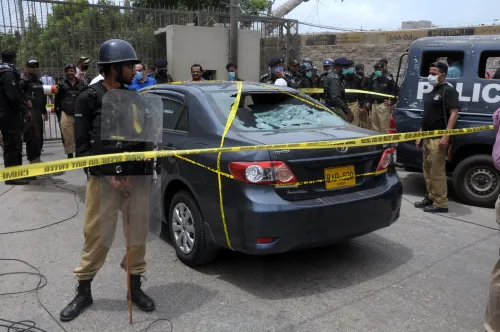
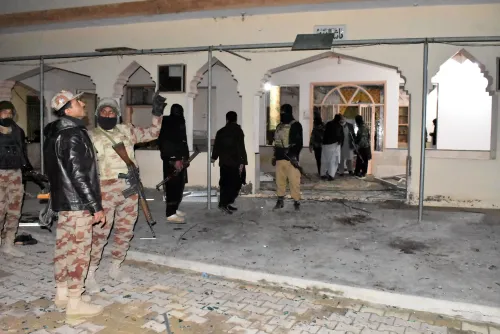
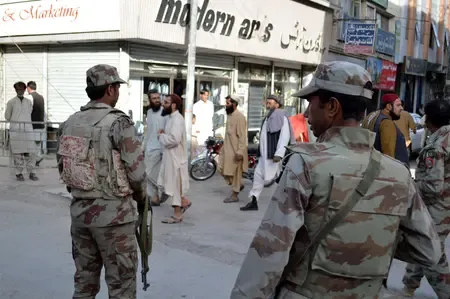
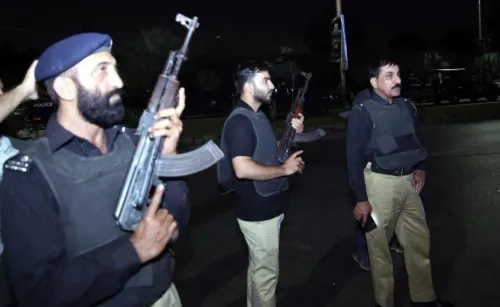
Quetta, Dec 23 (NationPress) Amidst a surge in violence in Balochistan, the Pakistani government reports that at least 248 civilians and 205 security personnel have lost their lives due to various attacks, bombings, and armed clashes throughout the province in 2025. This alarming toll marks one of the most lethal years for Balochistan in recent history.
According to findings from security authorities, a staggering 432 armed incidents were documented across the region this year, leading to hundreds of fatalities among both civilians and security forces, creating a pervasive atmosphere of fear and uncertainty.
Reports by The Balochistan Post indicate a death toll of 284 civilians and 205 security personnel, suggesting earlier government statistics of 248 civilian deaths may have been understated.
The ongoing unrest has significantly disrupted the daily lives of the Baloch populace and raised pressing concerns regarding the overall security situation in Balochistan.
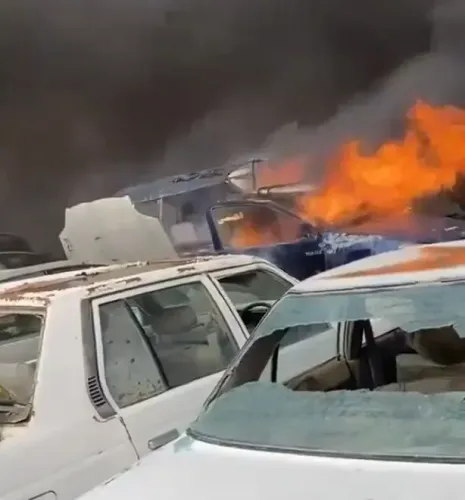
The report details multiple major attacks in 2025, including six suicide bombings in Quetta, Mastung, Khuzdar, Turbat, and Nokundi.
Notably, on March 11, a militant group executed an attack and hijacked the Jaffer Express in the Bolan region. Additionally, seven individuals were killed in Barkhan on February 18, followed by separate shooting incidents targeting passenger coaches near Zhob and Kalat in July.
A bus attack in Khuzdar on May 15 resulted in six fatalities and 43 injuries, while a suicide bombing at the Pakistan Frontier Corps headquarters in Quetta on September 30 left 12 dead.
Officials have characterized 2025 as a disappointing year for peace and stability in Balochistan, with residents enduring ongoing insecurity.
Public opinion has voiced serious concerns regarding security inadequacies, urging the Pakistani government to implement effective measures to restore safety.
Despite government data on law and order in Balochistan being met with skepticism from local communities and civil groups, critics argue that many incidents remain unreported and casualties among security personnel are also likely understated.
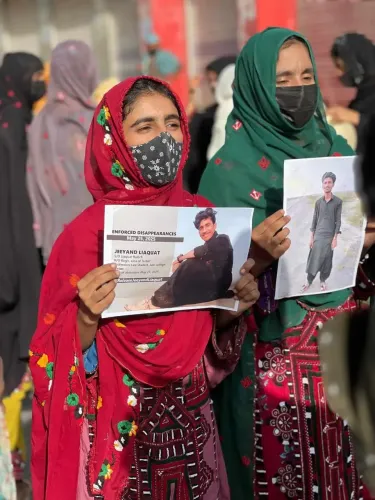
Balochistan continues to suffer under the weight of perpetual atrocities at the hands of Pakistani authorities, who allegedly enable death squads to conduct enforced disappearances, extrajudicial killings, and illegal detentions of the Baloch populace.
Point of View
It is essential to highlight the alarming trends of violence and insecurity in Balochistan. The persistent loss of life, particularly among civilians, demands urgent attention from both the government and civil society. While official statistics may vary, the underlying reality of fear and instability cannot be overlooked. Our commitment to reporting on these issues remains steadfast as we seek to bring about awareness and change.
NationPress
20 Sept 2026
Frequently Asked Questions
What is the current situation in Balochistan?
Balochistan is experiencing significant violence, resulting in the deaths of 248 civilians and 205 security personnel in 2025, marking one of the deadliest years for the region.
What types of incidents have contributed to the violence?
The violence includes various attacks, bombings, and armed confrontations, with notable incidents such as suicide bombings and targeted shootings.
How have local communities responded to the violence?
Local communities have expressed grave concerns regarding security failures and have called for urgent government action to restore safety.
What are the implications of this unrest for Balochistan's future?
The ongoing violence raises serious concerns about the stability and security of the region, impacting daily life and the overall wellbeing of its residents.
Are the government statistics reliable?
Many local communities and civil society groups view government statistics with skepticism, believing that numerous incidents remain unreported.