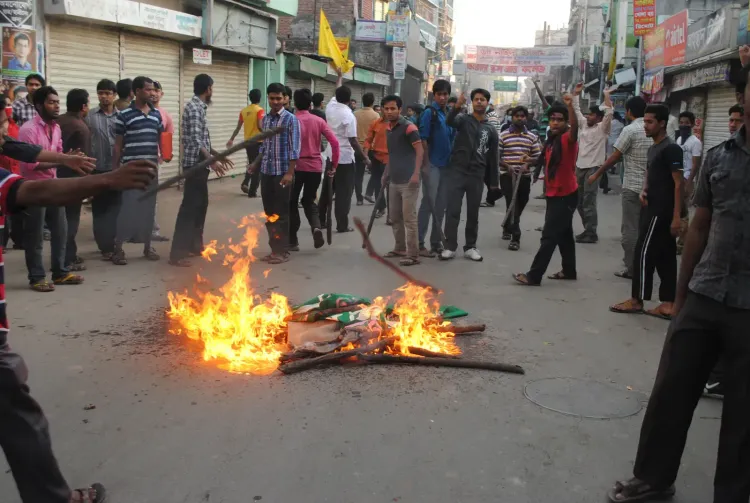
BNP's return to power in Bangladesh marred by deadly factional clashes
Synopsis
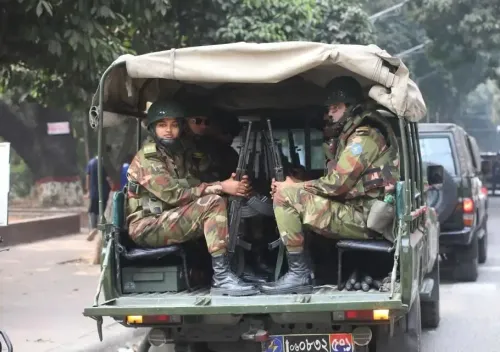
Despite three major political upheavals in two years — including Sheikh Hasina's ouster and the BNP's return under Tarique Rahman — Bangladesh's deadly grassroots power struggles have not abated. Human rights data shows 94 killed and over 3,500 injured in political violence this year alone, with 112 incidents involving rival BNP factions. The governing party is both the authority meant to stop the bloodshed and, in many cases, a party to it.
Key Takeaways
Ain o Salish Kendra (ASK) recorded 94 deaths and 3,587 injuries in 467 incidents of political violence in Bangladesh between January and September 2026 .
112 incidents involved clashes between rival BNP factions, resulting in 18 deaths and 1,215 injuries .
Ripon Mia , a local Jubo Dal leader, was killed in Narayanganj district on 18 October amid a factional dispute over a religious event guest list.
Two brothers — Hafizur Rahman and Mofizur Rahman — died following a BNP-Jamaat-e-Islami clash in Chuadanga district during Ramadan.
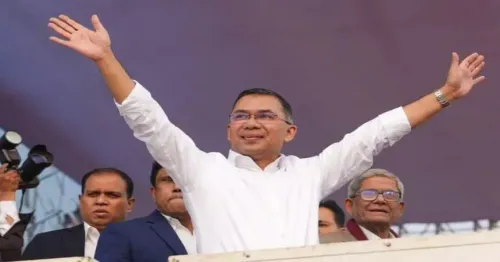
BNP chief Tarique Rahman assumed office as Prime Minister on 17 February , less than two weeks before the Chuadanga clash.
The Bangladesh Nationalist Party (BNP)'s return to government has been shadowed by a persistent and deadly undercurrent: violent power struggles at the grassroots level that continue to claim lives despite sweeping changes at the top of Bangladeshi politics, according to a report by online magazine The Diplomat.
The cycle of political violence has endured through Bangladesh's most turbulent recent transitions — the 2024 uprising that ousted former Prime Minister Sheikh Hasina, the subsequent interim administration under Muhammad Yunus, and the BNP's eventual return to power following national elections this year. None of these shifts, the report argues, have broken the pattern of lethal local rivalry.
A Night of Violence in Narayanganj
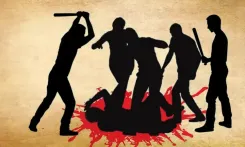
On the night of 18 October this year, Ripon Mia, a local leader of Jubo Dal — the youth wing of the BNP — was chased through Paiska in Narayanganj district by a group of men and attacked with sharp weapons. His family rushed him to hospital, but doctors declared him dead on arrival.
Local BNP activists said the assault was the culmination of a worsening rivalry between two factions over something as routine as the inclusion of names on a guest list for a religious event. Ripon's daughter Shila told the media: 'Several men chased my father and hacked him.'
BNP vs Jamaat: Deadly Clash in Chuadanga
An earlier incident this year in Chuadanga district in western Bangladesh illustrated the volatile fault lines between BNP and Jamaat-e-Islami (JI) supporters. Two brothers died after a clash that reportedly began with an argument following the evening meal to break the Ramadan fast.
Hafizur Rahman died a few hours after the altercation. His brother, Mofizur Rahman, a local JI leader, succumbed to injuries at a Dhaka hospital on 10 March. Police arrested three suspects following a murder complaint filed by the family, including a local BNP official and a former leader of the party's volunteer wing.
As The Diplomat noted, 'The BNP and the JI blamed each other for the violence... The clash came less than two weeks after the BNP returned to government.'
The Scale of Violence: ASK Data
The scale of political violence is laid bare in figures from Ain o Salish Kendra (ASK), a Dhaka-based human rights organisation. Between January and September this year, ASK recorded 94 deaths and 3,587 injuries across 467 incidents of political violence.
Of these, 112 incidents were clashes between rival factions within the BNP itself — leaving 18 people dead and 1,215 injured. The figures span both the tail end of the interim administration and the early months of the elected BNP government. BNP chief Tarique Rahman took office as Prime Minister on 17 February.
A Pattern That Outlasts Political Change
The persistence of grassroots violence — even within the governing party — points to structural tensions that electoral transitions alone cannot resolve. Local control over patronage networks, event access, and party structures remains fiercely contested, with deadly consequences. This comes amid broader concerns in South Asia about the gap between high-level political settlements and ground-level accountability. With Bangladesh's new government still consolidating power, observers say the pressure to curb intra-party violence will be an early test of the BNP's ability to govern as effectively as it campaigned.
Point of View
The governing party's internal disorder is not a fringe problem but a structural one. Three political transitions in two years have shuffled who sits at the top without dismantling the patronage networks and local power contests that drive the bloodshed. For Tarique Rahman's government, credibility on governance will ultimately be measured not by electoral margins but by whether it can impose discipline on its own ranks — something no administration in Dhaka has managed to do in living memory.
NationPress
8 Nov 2026
Frequently Asked Questions
How much political violence has Bangladesh seen in 2026?
According to data from Dhaka-based human rights organisation Ain o Salish Kendra (ASK), Bangladesh recorded 94 deaths and 3,587 injuries across 467 incidents of political violence between January and September 2026. The figures cover both the final phase of the interim administration and the early months of the BNP-led elected government.
What is the BNP's role in Bangladesh's political violence?
The BNP is Bangladesh's governing party, with Tarique Rahman serving as Prime Minister since 17 February 2026, yet ASK data shows 112 of 467 recorded incidents involved clashes between rival BNP factions — resulting in 18 deaths and 1,215 injuries. The party is both responsible for maintaining law and order and implicated in a significant share of the violence.
Who was Ripon Mia and what happened to him?
Ripon Mia was a local leader of Jubo Dal, the BNP's youth wing, who was attacked with sharp weapons in Paiska, Narayanganj district, on the night of 18 October 2026, and later declared dead at hospital. Local BNP activists said the attack stemmed from a rivalry between two factions over names on a guest list for a religious event.
What triggered the BNP-Jamaat clash in Chuadanga?
The clash in Chuadanga district in western Bangladesh reportedly began with an argument following the evening meal to break the Ramadan fast. It left two brothers dead: Hafizur Rahman died within hours, and Mofizur Rahman, a local Jamaat-e-Islami leader, succumbed to injuries at a Dhaka hospital on 10 March 2026.
Has political change in Bangladesh reduced the violence?
According to The Diplomat report and ASK data, political change has not broken the cycle of deadly grassroots clashes. The 2024 uprising, Muhammad Yunus-led interim administration, and the BNP's return to power have all failed to halt violence rooted in local patronage rivalries and factional competition over party structures.