BNP reaches out to 2024 protest parties amid Sheikh Hasina's December return threat
Synopsis
Bangladesh's ruling BNP is quietly mobilising — planning talks with over 40 protest-era parties to shore up its anti-Awami League coalition. The timing is no accident: exiled ex-PM Sheikh Hasina has signalled she may return in December to face a death sentence, a move that could upend the country's fragile post-uprising political order.
Key Takeaways
The ruling Bangladesh Nationalist Party (BNP) is planning talks with more than 40 parties that joined the 2024 protests against the Awami League government.
Talks are reportedly scheduled for late November or December 2025 , focused on the BNP's 31-point reform agenda , constitutional changes, and the July Charter.
The Jamaat-e-Islami -led alliance will not be invited, with the BNP alleging Jamaat is involved in 'conspiracies' with the Awami League.
Exiled former Prime Minister Sheikh Hasina has announced a possible return to Bangladesh in December , despite facing a death sentence and multiple legal cases.
The BNP government has stated extradition and execution is the only legal path open to Hasina; no official arrival protocol has been publicly disclosed.
Observers warn Hasina's potential return could reignite debate over the Awami League's future and Bangladesh's broader political stability.
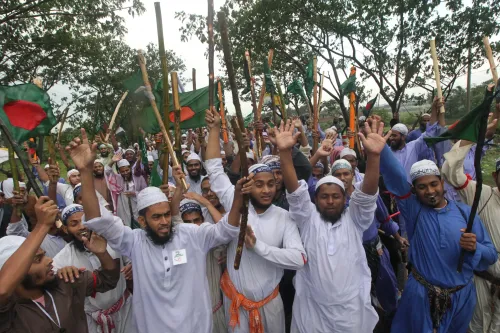
Dhaka's ruling Bangladesh Nationalist Party (BNP) is planning consultations with political parties that participated in the 2024 anti-government protests — the demonstrations that brought down the Awami League regime — in a move widely seen as an effort to consolidate the anti-Awami League coalition ahead of a potentially seismic development: the announced possible return of deposed former Prime Minister Sheikh Hasina from exile. The outreach, reported by Bangladesh's The Business Standard, is timed to what observers describe as a critical juncture in the country's post-uprising politics.
The BNP's Outreach Plan
More than 40 political parties that joined the 2024 protests may be invited for talks, reportedly scheduled for late November or December 2025. According to the report, 'differences over various political issues — particularly around the national election — have widened the distance' among these parties, prompting the BNP's initiative to 'resolve misunderstandings through discussions with partners.'
Consultations are expected to focus on the BNP's 31-point reform agenda, proposed constitutional changes, implementation of the July Charter, local government election plans, and broader political cooperation. Notably, the party led by Prime Minister Tarique Rahman will not extend invitations to parties affiliated with the Jamaat-e-Islami-led alliance.
The Jamaat Factor
Jamaat-e-Islami, which reportedly recorded its best electoral performance in the recent general elections, now leads an opposition alliance in the Bangladesh Parliament. The BNP has alleged that the Jamaat — which has at different times shared power with both the BNP and the Awami League — is now 'involved in conspiracies' alongside the Awami League. Jamaat, for its part, has of late chosen to carve an independent political path, complicating efforts to maintain a unified anti-Awami League front.
Hasina's Declared Return and Its Political Fallout
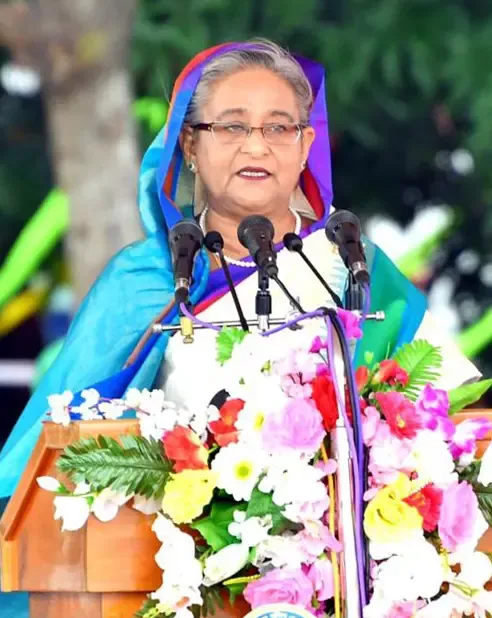
Former Prime Minister Sheikh Hasina, ousted in the 2024 uprising and currently in exile in India, has publicly announced a possible return to Bangladesh in December. Speaking virtually from an undisclosed location on multiple occasions, Hasina has stated her intention to return alongside senior Awami League leaders and surrender before a court, insisting that the charges against her — including a death sentence and multiple other legal cases — are 'politically motivated.'
The BNP government, however, has remained sceptical of a voluntary return. According to a government spokesperson, extradition followed by execution is the only legal path available to Hasina. Meanwhile, Bangladesh has filed repeated extradition requests with India.
Observers are divided. Some analysts suggest Hasina may return only if security guarantees and the right of appeal are negotiated with the authorities. Others argue that the threat of 'immediate hanging without a right of appeal sounds less like a credible legal path, and more like a ploy to deter Hasina from attempting to return,' according to a report by bdnews24.com. No official roadmap for handling her possible arrival has been publicly disclosed.
What This Means for Bangladesh's Political Stability
The Awami League, which dominated Bangladeshi politics for years, was barred from participating in elections following Hasina's ouster. Its potential re-emergence — even symbolically, through Hasina's return — could reignite debate over the party's future, the government's accountability campaign, and the country's broader political trajectory.
Observers note that the BNP's outreach is as much a defensive manoeuvre as a strategic one: with Jamaat moving independently and smaller protest-era parties drifting apart, the ruling party risks fragmentation within the coalition that brought it to power. The coming weeks, with the BNP consolidating allies, Jamaat building its own network, and Hasina pressing her return, could prove decisive for Bangladesh's political future.
Point of View
Yet embracing it alienates secular partners. Hasina's threatened return, meanwhile, functions as a stress test for Bangladesh's post-uprising institutions — the credibility of the death sentence, the extradition framework with India, and the government's claim to legal legitimacy all hang on how that scenario unfolds. What mainstream coverage underplays is that the BNP's challenge is not just Hasina; it is holding together a coalition of convenience that was always more united against the Awami League than for any shared vision of Bangladesh's future.
NationPress
5 Nov 2026
Frequently Asked Questions
Why is the BNP reaching out to 2024 protest parties now?
The BNP is seeking to 'preserve unity' among anti-Awami League forces amid growing differences over political issues, particularly around elections. The outreach — expected in late November or December — coincides with former PM Sheikh Hasina's announced intention to return from exile, which could reshape Bangladesh's political landscape.
Will Jamaat-e-Islami be included in the BNP's talks?
No. The BNP has decided not to invite parties affiliated with the Jamaat-e-Islami-led alliance. The BNP has alleged that Jamaat is involved in conspiracies alongside the Awami League, even as Jamaat has emerged as a significant electoral force leading an opposition alliance in Parliament.
What is Sheikh Hasina's current legal situation?
Sheikh Hasina faces a death sentence and multiple other legal cases in Bangladesh following her ouster in the 2024 uprising. She is currently in exile in India and has described the charges against her as 'politically motivated,' stating she intends to return and surrender before a court.
What happens if Sheikh Hasina returns to Bangladesh?
No official government roadmap has been publicly disclosed for handling her arrival. The BNP government has stated that extradition followed by execution is the only legal path available to Hasina. Some observers suggest her return may require prior security and appeal-rights negotiations; others view the government's stance as a deterrent rather than a credible legal plan.
What issues will the BNP's inter-party consultations cover?
The talks are expected to focus on the BNP's 31-point reform agenda, proposed constitutional changes, implementation of the July Charter, local government election plans, and broader political cooperation among anti-Awami League parties.