Brazil rejects US threats against Cuba, calls for diplomacy and dialogue
Synopsis
Brazil has stepped into the US-Cuba standoff with a pointed rejection of Washington's threats, with Foreign Minister Mauro Vieira calling for negotiation and dialogue — and citing President Lula's direct appeal on Cuban sovereignty during his Washington visit. As Cuba's Díaz-Canel accuses US officials of fabricating a pretext for military aggression, Brazil's intervention signals that Latin America's largest power will not stay silent.
Key Takeaways
Brazilian Foreign Affairs Minister Mauro Vieira on 26 May rejected US threats against Cuba , calling for diplomacy and respect for international law.
President Lula da Silva raised Cuban sovereignty directly during his recent visit to Washington .
Cuban President Miguel Díaz-Canel accused the US of using 'empty rhetoric' to justify potential military aggression against Cuba.
Díaz-Canel alleged that certain US officials have 'hijacked' Washington's Cuba policy and are 'lying to the American people.' Brazil called for Latin America to be preserved as a zone of dialogue and cooperation to prevent geopolitical escalation.
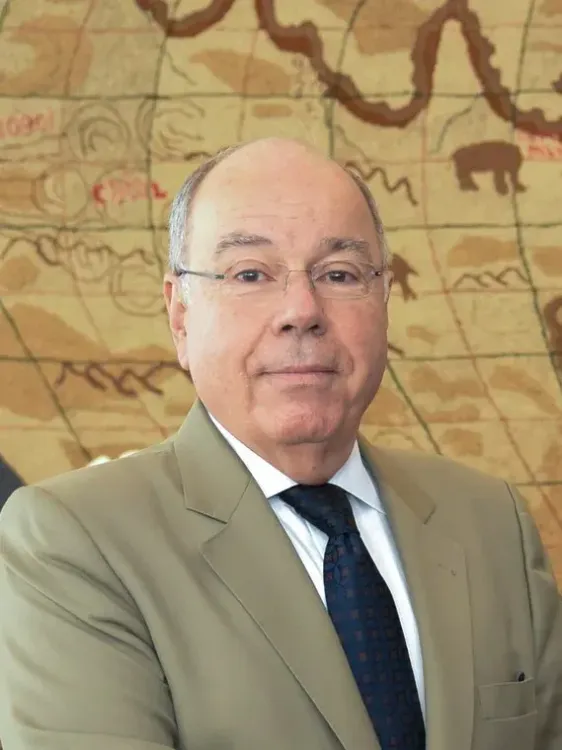
Brazilian Foreign Affairs Minister Mauro Vieira on Monday, 26 May firmly rejected US threats against Cuba, urging that all differences between Washington and Havana be resolved through diplomacy and respect for international law. Speaking from São Paulo, Vieira said he hopes any prospect of US military intervention in Cuba 'would not come to that,' adding that 'negotiation and dialogue' remain the better path forward.
Brazil's Position on Regional Stability
Vieira underscored that Brazil opposes any form of foreign threat directed at the Caribbean island, expressing a clear preference for diplomatic engagement over confrontation. He stressed that Latin America must be preserved as a zone of dialogue and cooperation to prevent any escalation of geopolitical tensions in the region.
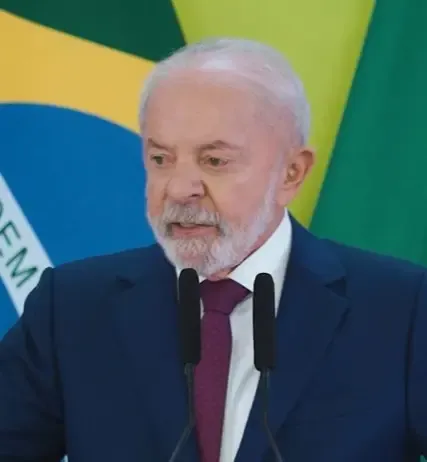
The minister also cited a recent visit by Brazilian President Luiz Inácio Lula da Silva to Washington, during which Lula raised the issue of Cuban sovereignty directly. According to Vieira, Lula said: 'The president referred to Cuba, saying that it is a society that deserves to be respected ... We want balance in the region and for all differences to be resolved through negotiation and diplomacy.'
Cuba's Response to US Pressure
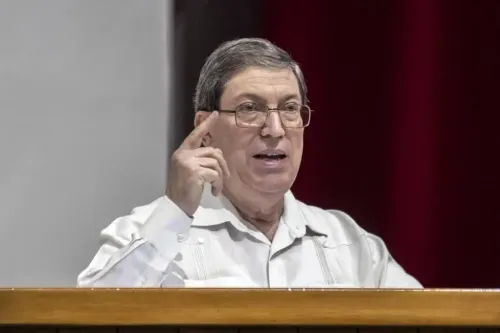
Cuban President Miguel Díaz-Canel has accused the United States of deploying 'empty rhetoric' to label Cuba as a 'sponsor of terrorism' without evidence, alleging that Washington is constructing a media narrative to justify potential military aggression. Díaz-Canel reportedly said on Friday that claims Cuba poses a threat to the US 'can only exist in the sick minds' of certain officials within the current US administration.
He further alleged that those officials have 'hijacked' Washington's Cuba policy and are 'lying to the American people and the world' to justify what he called 'a new irrational war with a high potential cost in human lives for both countries.'
Historical Context and Escalating Tensions
Díaz-Canel argued that Cuba has sought peaceful coexistence since the triumph of its Revolution, while successive US administrations have, in his words, threatened that right 'time and again.' He described the current situation as an extreme escalation, combining what he characterised as 'absurd lies with military intimidation and deprivation of the Cuban people of the most basic resources and services for their daily survival.'
This comes amid a broader pattern of deteriorating US-Cuba relations, with Washington maintaining its longstanding embargo and periodically revisiting Cuba's designation on its state sponsors of terrorism list. Brazil's intervention signals growing unease among major Latin American nations about Washington's posture in the region.
What Happens Next
Diplomatic observers will be watching whether Brazil's public pushback — amplified by Lula's direct appeal during his Washington visit — prompts any recalibration in US policy toward Cuba. Regional blocs including CELAC have historically opposed unilateral US action in Latin America, and Brazil's stance is likely to find resonance across the continent. The trajectory of US-Cuba tensions in the coming weeks will be a key indicator of whether dialogue remains a viable option.
Point of View
Coming on the heels of Lula's own Washington visit, suggests this is a deliberate signal rather than a reactive statement. What mainstream coverage underplays is the structural tension: Brazil needs a functional relationship with the US on trade and investment, yet Lula's political identity is inseparable from Latin American solidarity. How long that balance holds as US-Cuba tensions escalate will define the limits of Brazil's regional leadership.
NationPress
9 Oct 2026
Frequently Asked Questions
Why did Brazil reject US threats against Cuba?
Brazil's Foreign Affairs Minister Mauro Vieira stated that Brazil opposes any form of foreign threat against Cuba and believes differences should be resolved through diplomacy and respect for international law. The position was reinforced by President Lula da Silva, who raised Cuban sovereignty during his recent visit to Washington.
What did Brazilian President Lula say about Cuba?
During his visit to Washington, President Lula da Silva urged respect for Cuban sovereignty, saying Cuba 'is a society that deserves to be respected' and that Brazil wants 'balance in the region and for all differences to be resolved through negotiation and diplomacy,' according to Minister Vieira.
What has Cuban President Díaz-Canel said about US threats?
Cuban President Miguel Díaz-Canel has accused the United States of using 'empty rhetoric' to label Cuba a sponsor of terrorism without evidence, alleging that US officials are fabricating a media narrative to justify military aggression. He claimed such officials have 'hijacked' Washington's Cuba policy.
Is there a risk of US military intervention in Cuba?
Minister Vieira expressed hope that military intervention 'would not come to that,' while Díaz-Canel has publicly warned that certain US officials are promoting a pretext for what he called 'a new irrational war.' No confirmed military action has been announced; the situation remains a diplomatic standoff as of 26 May.
What role does Latin America play in this dispute?
Brazil has called for Latin America to be preserved as a zone of dialogue and cooperation, warning against any escalation of geopolitical tensions in the region. Brazil's stance is expected to resonate with other Latin American nations and regional blocs that have historically opposed unilateral US intervention in the hemisphere.