BRICS NSA meet in New Delhi flags urgent need for multilateral security cooperation
Synopsis
India's NSA Ajit Doval told BRICS security chiefs in New Delhi that the world is at a 'very tumultuous time' — and that conventional defence frameworks are no longer enough. From AI-driven disinformation to cybercrime financing terror networks, the 16th BRICS NSA meeting mapped a security landscape that has outrun the institutions meant to govern it.
Key Takeaways
The 16th BRICS NSA Meeting in New Delhi called for stronger multilateral cooperation on terrorism, cybercrime, AI threats, and energy security.
India's NSA Ajit Doval warned of a 'very tumultuous time,' citing military conflicts, economic pressures, and rapidly evolving technologies threatening BRICS member states.
Doval flagged that cyberattacks and disruptive technologies transcend national borders, making conventional defence responses increasingly inadequate.
Both India and South Africa called for deeper collaboration among BRICS members to address shared non-traditional security threats.
Delegates identified AI-driven disinformation campaigns , maritime security, and protection of critical energy infrastructure as priority cooperation areas.
The meeting noted that cybercrime can finance cross-border terrorist networks, blurring the line between criminal and national security concerns.
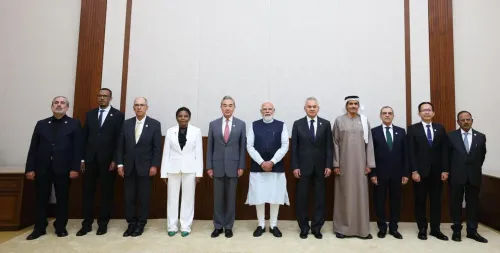
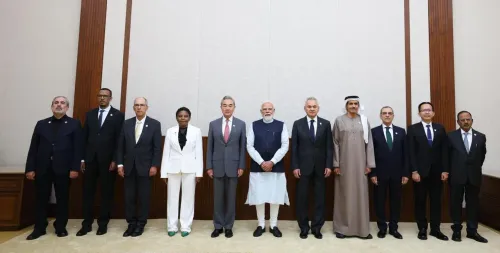
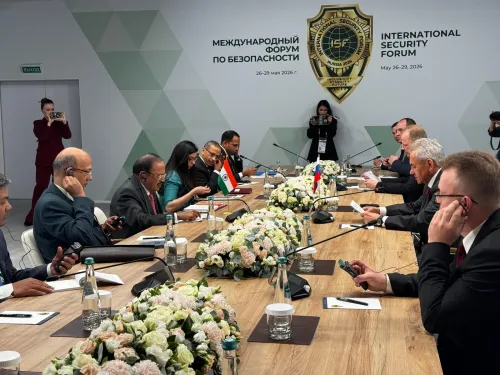
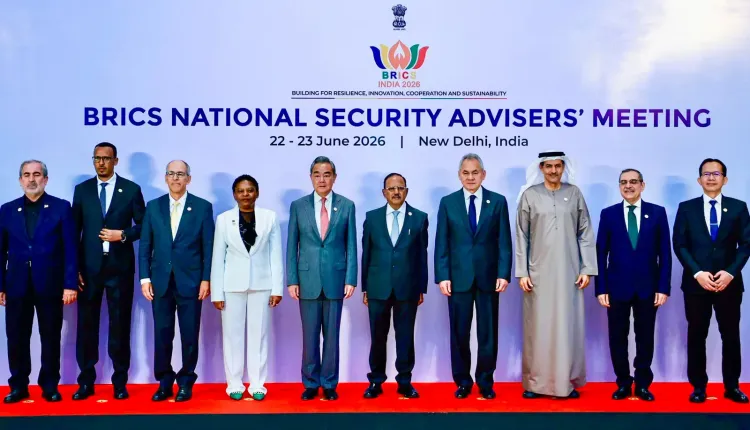
The 16th BRICS Meeting of High Representatives for National Security, held in New Delhi, underscored the pressing need for stronger regional and multilateral cooperation to build collective responses to a widening array of shared threats, according to a report by South African media outlet The Citizen. The meeting, which brought together National Security Advisors (NSAs) from BRICS member states, identified terrorism, infectious diseases, energy insecurity, cybercrime, and climate-related disasters as areas demanding coordinated action.
Doval's Warning on a Volatile Security Environment
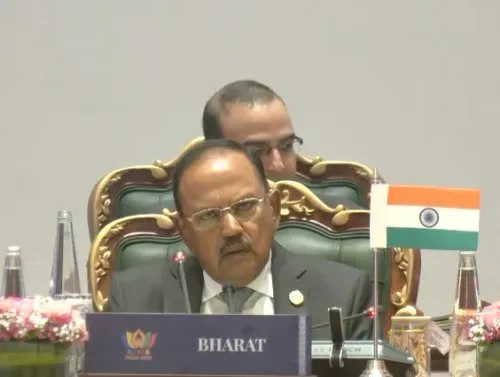
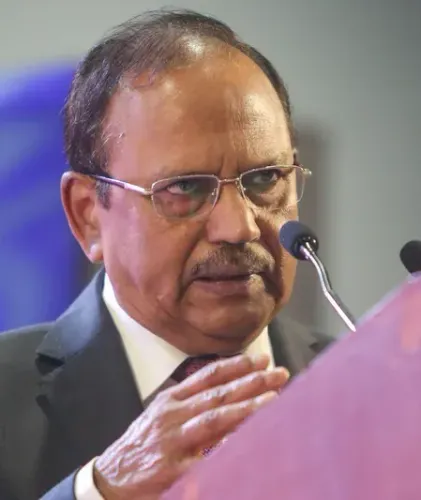
India's National Security Advisor Ajit Doval addressed the gathering at what he described as a 'very tumultuous time', cautioning that the global security environment was growing increasingly volatile. He pointed to military conflicts, economic pressures, geopolitical uncertainties, and rapidly evolving technologies as forces collectively threatening the stability of BRICS member states. Doval specifically flagged disruptive technologies and cyberattacks that transcend national borders, rendering conventional defence and security responses increasingly inadequate. He also noted that international institutions were struggling to respond effectively to complex challenges, with multilateral cooperation itself coming under strain.
Redefining National Security Beyond Military Threats
The meeting reflected a broader conceptual shift in how national security is understood. Traditionally defined in terms of armed aggression and military conflict, security in the current era of globalisation — marked by digital connectivity and rapid technological change — now encompasses a far wider range of non-traditional threats. According to the report, these include cyberattacks, pandemics, terrorism, and the misuse of Artificial Intelligence (AI). Notably, the report observed that cybercrime can finance terrorist networks operating across borders, making it simultaneously a criminal and national security concern — an interconnection that conventional frameworks are ill-equipped to address.
Key Strategic Priorities Identified
Delegates at the meeting highlighted several strategic priorities: the protection of critical infrastructure, maritime security, and the safeguarding of key international energy routes. These concerns were underscored by the ongoing disruption to global energy supplies caused by tensions surrounding the conflict in the Middle East. The meeting also identified AI-driven disinformation campaigns as a growing threat where enhanced BRICS cooperation could yield significant results.
India and South Africa Lead Calls for Deeper Collaboration
Both India and South Africa were specifically cited as having called for deeper collaboration among BRICS member states to confront shared challenges. This comes amid a broader global debate about the effectiveness of multilateral institutions, with several analysts arguing that existing frameworks have failed to keep pace with the speed and complexity of emerging threats. The BRICS platform, which groups Brazil, Russia, India, China, and South Africa alongside newer members, is increasingly positioning itself as an alternative forum for security dialogue outside Western-led institutions.
What Comes Next
The outcomes of the New Delhi meeting are expected to feed into the broader BRICS agenda as the bloc continues to expand its mandate beyond economics into security and geopolitics. Whether member states can translate the consensus expressed at the NSA-level meeting into concrete, operational cooperation frameworks remains to be seen — particularly given the divergent foreign policy interests within the grouping.
Point of View
But the harder question is whether the bloc can move from diagnosis to action. BRICS members hold sharply divergent positions on the conflicts — in Ukraine and the Middle East — that are directly fuelling the energy insecurity and geopolitical volatility Doval described. A forum that cannot agree on the causes of instability will struggle to coordinate responses to its symptoms. The AI disinformation concern is particularly pointed: some BRICS members have themselves been accused of deploying state-linked information operations. Without an accountability mechanism, cooperation risks becoming rhetorical.
NationPress
24 Oct 2026
Frequently Asked Questions
What was the 16th BRICS NSA meeting about?
The 16th BRICS Meeting of High Representatives for National Security, held in New Delhi, focused on building stronger multilateral cooperation to address shared threats including terrorism, cybercrime, infectious diseases, energy insecurity, and AI-driven disinformation. It brought together National Security Advisors from BRICS member states to identify collective responses to emerging security challenges.
What did India's NSA Ajit Doval say at the BRICS security meeting?
Ajit Doval warned that the global security environment was becoming increasingly volatile, describing the moment as a 'very tumultuous time.' He highlighted that disruptive technologies and cyberattacks now transcend national borders, making conventional defence responses inadequate, and noted that international institutions were struggling to keep pace with complex new challenges.
Why is cybercrime considered a national security threat at the BRICS meeting?
The meeting noted that cybercrime can finance terrorist networks operating across borders, making it both a criminal and a national security concern. Delegates argued that such interconnected, transnational threats are difficult to contain using conventional security frameworks, underlining the need for coordinated BRICS-level responses.
Which countries called for deeper BRICS security collaboration?
Both India and South Africa specifically called for deeper collaboration among BRICS member states to confront shared security challenges, according to reports from the meeting. The two nations highlighted the urgency of coordinated action on terrorism, cybercrime, energy security, and climate-related disasters.
What are the key security priorities identified at the BRICS NSA meeting?
The meeting identified protection of critical infrastructure, maritime security, and key international energy routes as strategic priorities, particularly in the context of Middle East tensions disrupting global energy supplies. AI-driven disinformation campaigns were also flagged as an emerging threat where enhanced BRICS cooperation could make a significant difference.