India welcomes US-Iran MoU, NSA Doval flags cautious optimism at BRICS meet
Synopsis
At the 16th BRICS National Security Advisors' Meeting, NSA Ajit Doval publicly welcomed the US-Iran MoU — a rare diplomatic moment where New Delhi's energy anxieties, Chabahar ambitions, and strategic autonomy all converged in a single statement. The 60-day clock is now ticking on a deal that could reshape West Asia and India's supply chain calculus.
Key Takeaways
NSA Ajit Doval welcomed the US-Iran MoU at the 16th BRICS National Security Advisors' Meeting on 23 June .
US President Donald Trump and Iranian President Masoud Pezeshkian signed the MoU remotely on 17 June , establishing a 60-day ceasefire extension .
The MoU ended nearly four months of US-Iran conflict and opened negotiations on Iran's nuclear programme and regional security.
Doval said the deal would 'remove supply chain bottlenecks' and benefit sectors such as fertilisers and chemicals .
The Ministry of External Affairs had earlier stressed the importance of freedom of navigation through the Strait of Hormuz for India's trade and energy security.
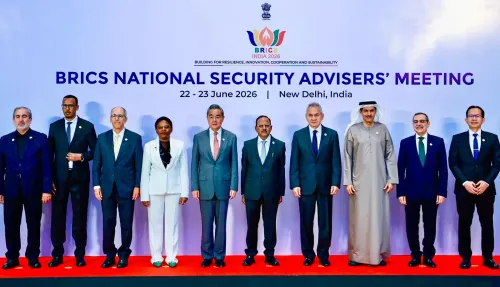
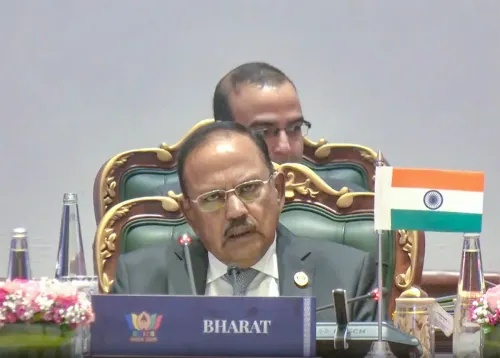
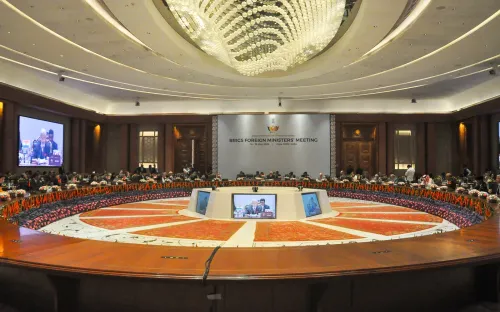
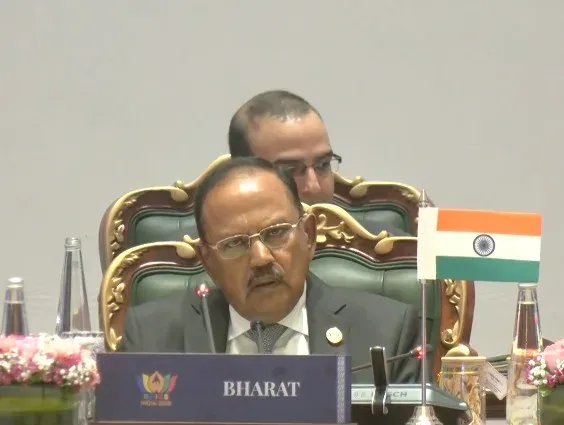
National Security Advisor Ajit Doval on Tuesday, 23 June said India welcomed the memorandum of understanding reached between the United States and Iran, describing the development as one that warranted 'cautious optimism' and expressing hope it would contribute positively to regional and global stability. Doval made the remarks while addressing the 16th BRICS National Security Advisors' Meeting in New Delhi.
What Doval Said at the BRICS Meeting
'India welcomes the MoU reached between the US and Iran. We have got cautious optimism, and we hope that it will work. It will help energy security. Opting for the State of Homeless is a very welcome development,' NSA Doval said in his address.
He further noted that the agreement would 'remove supply chain bottlenecks' and help address shortages in critical sectors such as fertilisers and chemicals. Doval also highlighted that improved freedom of navigation in the region would 'greatly improve our economic prosperity,' while urging fellow advisors to remain alert to 'new security threats and challenges.'
Background: The US-Iran MoU
On 17 June, US President Donald Trump and Iranian President Masoud Pezeshkian signed the memorandum of understanding remotely, establishing a 60-day extension of the ceasefire to negotiate final terms of a deal. The MoU effectively ended nearly four months of conflict between the two countries and opened a negotiating window covering Tehran's nuclear programme and broader regional security issues.
India's Diplomatic Stance
India had earlier formally welcomed the MoU, with the Ministry of External Affairs (MEA) emphasising that sustained dialogue remains the only path to lasting peace in West Asia. The MEA specifically underscored the importance of unimpeded freedom of navigation and the global flow of commerce through the Strait of Hormuz — a critical chokepoint for India's energy imports.
The ministry reiterated that India has consistently advocated de-escalation, dialogue, and diplomacy as essential tools to bring an early end to the conflict. This position aligns with New Delhi's long-standing policy of strategic autonomy, maintaining ties with both Washington and Tehran while avoiding alignment with either bloc.
Why This Matters for India
India's stakes in the US-Iran equation are substantial. Iran is a key source of crude oil and a transit corridor to Central Asia and Afghanistan via the Chabahar Port, in which India has made significant investments. Prolonged conflict between the US and Iran had threatened energy prices, shipping lanes, and fertiliser supply chains — all of which directly affect the Indian economy.
Notably, the Strait of Hormuz handles a significant share of India's crude imports, making regional stability a core economic and security concern. The 60-day negotiation window will be closely watched by New Delhi as it weighs the durability of the ceasefire against the complexity of Iran's nuclear dossier.
What Comes Next
With the 60-day window now active, the focus shifts to whether the US and Iran can translate the MoU into a binding framework on nuclear limits and regional security. For India, the priority will be ensuring that any final agreement preserves open sea lanes and restores normalcy to energy and commodity trade flows. The BRICS platform, where Doval spoke, also signals New Delhi's interest in multilateral engagement on what is increasingly a globally consequential dispute.
Point of View
But the economic cost of this conflict was too direct to stay silent. Doval's reference to supply chain bottlenecks and fertiliser shortages is a tell: India's support is grounded in self-interest, not geopolitical sentiment. The harder question is what India does if the 60-day window collapses. Chabahar, crude import diversification, and Central Asia connectivity all hinge on Iran's stability — and none of those bets are hedged if negotiations fail. New Delhi's 'cautious optimism' may prove to be a diplomatic luxury it cannot afford to maintain indefinitely.
NationPress
21 Sept 2026
Frequently Asked Questions
What did NSA Ajit Doval say about the US-Iran MoU at the BRICS meeting?
NSA Ajit Doval said India welcomed the MoU between the US and Iran, expressing 'cautious optimism' and hoping it would support energy security and remove supply chain bottlenecks. He made the remarks at the 16th BRICS National Security Advisors' Meeting in New Delhi on 23 June.
What is the US-Iran MoU signed on 17 June?
The memorandum of understanding was signed remotely on 17 June by US President Donald Trump and Iranian President Masoud Pezeshkian. It ended nearly four months of conflict and established a 60-day ceasefire extension to negotiate final terms covering Iran's nuclear programme and regional security.
Why does the US-Iran MoU matter for India?
India has significant energy and trade exposure to the region, including crude oil imports through the Strait of Hormuz and investments in Iran's Chabahar Port. Prolonged US-Iran conflict had threatened energy prices, fertiliser supplies, and key shipping lanes that are critical to the Indian economy.
What has India's Ministry of External Affairs said about the US-Iran situation?
The Ministry of External Affairs welcomed the MoU and emphasised that sustained dialogue is the only path to lasting peace in West Asia. It specifically highlighted the need for unimpeded freedom of navigation through the Strait of Hormuz and reiterated India's consistent advocacy for de-escalation and diplomacy.
What happens during the 60-day window established by the MoU?
The 60-day period is a negotiating window for the US and Iran to work out the final terms of a deal, focusing on Tehran's nuclear programme and regional security issues. The ceasefire remains in place during this period, and its outcome will be closely watched by countries like India with major economic stakes in regional stability.