BRICS 2026: Iran envoy says single-power security model has failed
Synopsis
Iran’s ambassador to India used the BRICS Foreign Ministers’ Meeting in New Delhi to publicly declare that the global security model anchored in a single dominant power has failed — a pointed message directed at the US-led order, delivered from the heart of India’s diplomatic calendar. With Iran now inside BRICS and the 2026 Summit approaching, Tehran is making clear it intends to use the bloc as a megaphone for multipolarity.
Key Takeaways
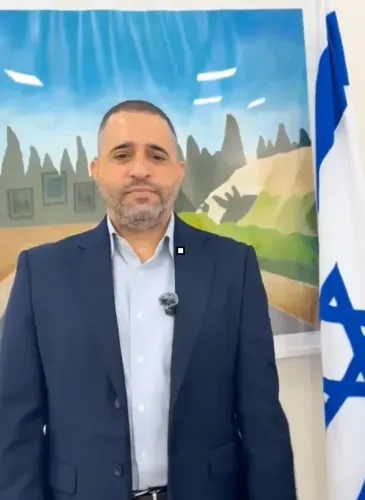
Iranian Ambassador Mohammad Fathali said on 16 May that the 2026 BRICS Summit should highlight the failure of single-power security guarantees.
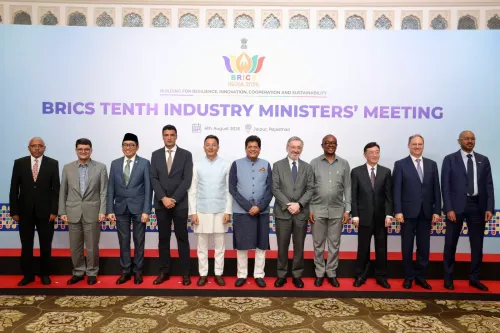
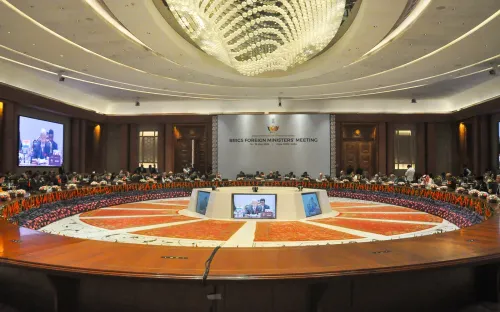
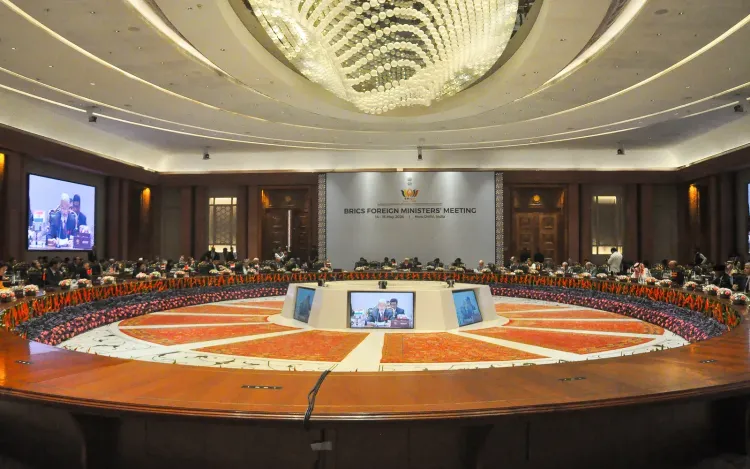
His remarks followed the two-day BRICS Foreign Ministers’ Meeting held in New Delhi under India’s chairship.
Iran’s Foreign Minister Abbas Araghchi called UN Security Council reform ‘not a choice, but a necessity for the survival of the United Nations.’ External Affairs Minister S.
Jaishankar also called for UN Security Council reforms in both permanent and non-permanent categories.
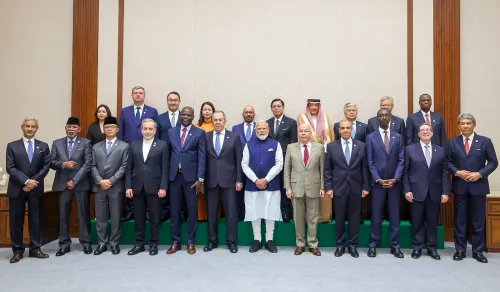
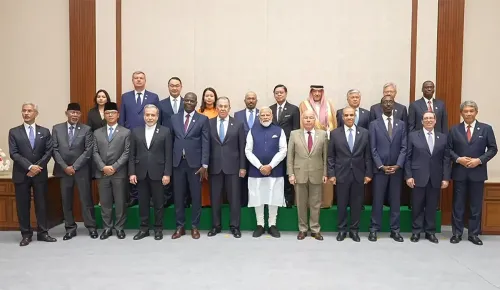
Prime Minister Narendra Modi met BRICS foreign ministers on Thursday , stressing multilateralism, sustainable development, and economic resilience under India’s chairmanship.
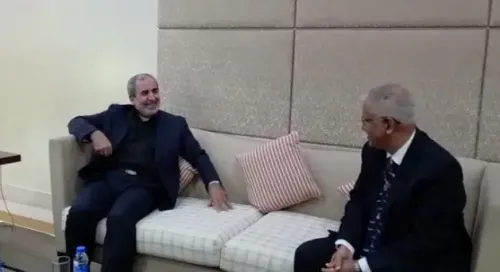
Iranian Ambassador to India Mohammad Fathali on Saturday, 16 May said the 2026 BRICS Summit offers a critical platform to expose the failure of a global security framework built on guarantees from a single dominant power. His remarks, made in the context of ongoing tensions involving Iran, the United States, and Israel, reflect Tehran's push for multipolarity as it settles into its role as a full BRICS member.
What the Iranian Envoy Said
In a post on X, Ambassador Fathali wrote: ‘The BRICS Summit in India is an opportunity to highlight a key reality: a security model based on guarantees of security and prosperity by a single power, even a major one, has failed in today’s complex and rapidly evolving world.’ The statement was made shortly after the conclusion of the two-day BRICS Foreign Ministers’ Meeting held in New Delhi on Thursday and Friday under India’s chairship of the grouping.
Iran’s Foreign Minister Pushes for UN Security Council Reform
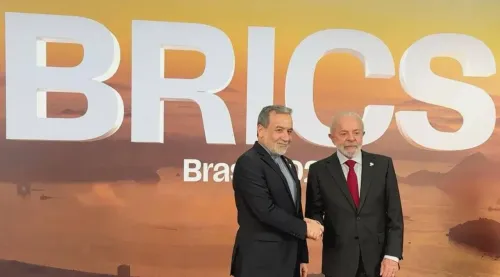
Iran’s Foreign Minister Abbas Araghchi echoed and amplified these themes during the New Delhi meeting. He argued that reforms to the United Nations Security Council are ‘not a choice, but a necessity for the survival of the United Nations,’ and called for a Council that ‘truly represents all continents and regions of the world.’
Araghchi further stated that BRICS nations must leverage their collective weight to reshape global governance and rebuild trust in multilateral institutions. ‘What we see today in some international institutions is not multilateralism, but an effort to preserve unilateralism under the cover of international law,’ he remarked. He also flagged the selective application of international law, unilateral sanctions, and disregard for national sovereignty as symptoms of a deepening governance crisis.
India’s Role as Chair
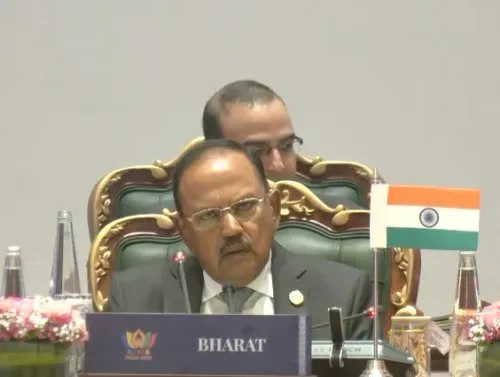
The Foreign Ministers’ Meeting was chaired by External Affairs Minister S. Jaishankar, who expressed confidence that member-nation deliberations would contribute to a ‘more stable, equitable and inclusive international system.’ Jaishankar stressed the importance of reformed multilateralism and specifically called for reforms in the UN Security Council in both permanent and non-permanent member categories.
On Thursday, Prime Minister Narendra Modi met the foreign ministers and heads of delegation from BRICS nations in New Delhi, reiterating that under India’s chairmanship the grouping would work towards strengthening multilateralism, promoting sustainable development, enhancing economic resilience, and building a more inclusive global order.
Broader Context: Why This Moment Matters
Iran’s inclusion in the expanded BRICS grouping has sharpened the bloc’s rhetorical edge on questions of global governance. Tehran’s advocacy for multipolarity carries added weight given the active conflict dynamics involving the US and Israel. Notably, both Iran and India — the current BRICS chair — have independently called for UN Security Council reform, suggesting a degree of convergence on structural global governance issues even where bilateral interests may diverge. The full BRICS Summit later in 2026 will test whether this rhetorical alignment translates into a coordinated position.
Point of View
Tehran simultaneously legitimises its own BRICS membership and pressures India — a country that maintains ties with both Washington and Tehran — to take a harder public line on multipolarity. The convergence between Iran and India on UN Security Council reform is real but narrow; New Delhi’s motivations are about permanent membership, while Tehran’s are about diluting Western veto power. Conflating the two serves Iran’s narrative more than it reflects a genuine strategic alignment. The 2026 Summit will reveal whether BRICS can move from rhetorical solidarity on governance reform to any actionable common position.
NationPress
29 Sept 2026
Frequently Asked Questions
What did Iran’s ambassador say about the 2026 BRICS Summit?
Iranian Ambassador to India Mohammad Fathali said the 2026 BRICS Summit is an opportunity to highlight that a security model relying on guarantees from a single dominant power has failed in today’s complex world. He made the statement in a post on X following the BRICS Foreign Ministers’ Meeting in New Delhi.
What did Iran’s Foreign Minister Abbas Araghchi say at the BRICS meeting?
Araghchi called UN Security Council reform ‘not a choice, but a necessity for the survival of the United Nations,’ and urged BRICS nations to use their collective strength to reshape global governance. He also criticised the selective application of international law and the use of unilateral sanctions.
What was India’s position at the BRICS Foreign Ministers’ Meeting?
External Affairs Minister S. Jaishankar chaired the meeting and called for reformed multilateralism, including reforms to the UN Security Council in both permanent and non-permanent member categories. Prime Minister Narendra Modi separately met BRICS foreign ministers and stressed multilateralism and inclusive global order under India’s chairmanship.
Why is Iran’s role in BRICS significant?
Iran joined the expanded BRICS grouping and has used its membership to advocate for multipolarity and collective global governance, particularly amid its ongoing tensions with the United States and Israel. Its presence sharpens the bloc’s critique of Western-led international institutions.
When and where was the BRICS Foreign Ministers’ Meeting held?
The two-day BRICS Foreign Ministers’ Meeting was held in New Delhi on Thursday and Friday, 15–16 May, under India’s chairship of the grouping. It was attended by foreign ministers and senior representatives from BRICS member nations and partner countries.