Broad Peak avalanche kills 4, Nirmal Purja among 6 missing
Synopsis
Nirmal Purja — the man who climbed all 14 eight-thousanders in six months — is among six climbers missing after a deadly avalanche on Broad Peak on 30 July. He had been attempting to become the first person ever to complete all 14 peaks twice, without oxygen. Four climbers are already confirmed dead, including one from Nepal and one from Oman.
Key Takeaways
An avalanche on Broad Peak ( 8,047 m ), Pakistan, on 30 July 2025 killed four climbers and left six missing .
The Alpine Club of Pakistan confirmed deaths of Pur Bahadur Gurung 'Yukta' (Nepal) and Nadhira Ahmed Abdullah Al Harthy (Oman); two others unidentified.
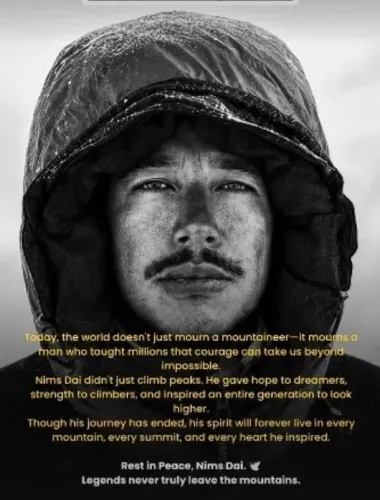
Veteran mountaineer Nirmal Purja , who climbed all 14 eight-thousanders in six months in 2019 , is among the six missing.
Purja had revealed days before the tragedy that he was attempting to become the first person to climb all 14 eight-thousanders twice , without supplemental oxygen.
Nepal's Ministry of Foreign Affairs and Embassy in Islamabad are coordinating with Pakistani authorities; search and rescue operations are ongoing.
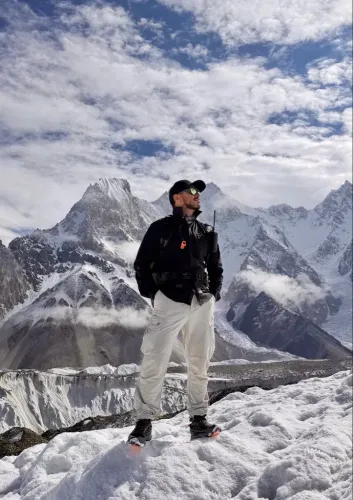
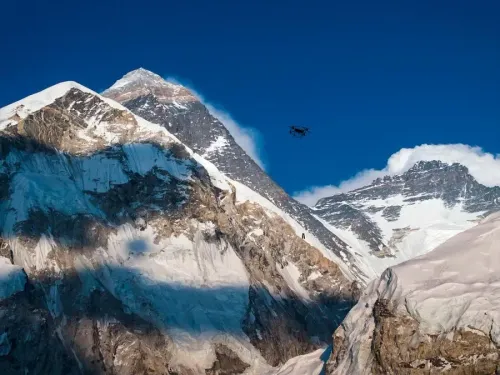
An avalanche on Broad Peak, the 8,047-metre giant in Pakistan's Karakoram range, killed at least four climbers and left six others missing on 30 July 2025, Pakistani authorities confirmed. Among those unaccounted for is veteran mountaineer Nirmal Purja, the Nepal-born British climber celebrated for conquering all 14 of the world's 8,000-metre peaks in just over six months in 2019.
What Happened on Broad Peak
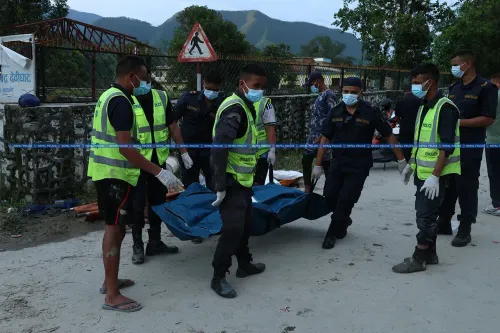
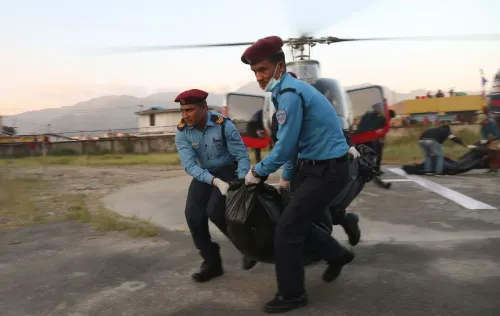
The Alpine Club of Pakistan (ACP) confirmed the disaster on Friday, identifying two of the four confirmed dead as Pur Bahadur Gurung 'Yukta' of Nepal and Nadhira Ahmed Abdullah Al Harthy of Oman. The body of Al Harthy has been recovered and was being transported by helicopter to Skardu; arrangements for the transport of Gurung's remains were underway. The identities of the other two deceased climbers had not been officially confirmed as of Friday.
Irfan Arshad Khan, President of the Alpine Club of Pakistan, shared the confirmation in an Instagram post, urging the public to await verified updates from the ACP before circulating further details. Search and rescue operations were continuing for those still missing.
The Expedition and Those Caught in the Avalanche
The ill-fated expedition was led by Nirmal Purja, popularly known as 'Nims Dai'. The full team comprised Pur Bahadur Gurung 'Yukta', Kili Pemba Sherpa 'Kilu', Nima Sherpa, Nawang Thindu Sherpa, Gyalu Sherpa, Nadhira Ahmed Abdullah Al Harthy (Oman), Sohail Sakhi (Pakistan), Wang Zhong (China), and Mallory Geis (USA), according to the ACP. Purja himself is among the six listed as missing.
Who Is Nirmal Purja
Born in Nepal's Dhaulagiri region and raised in Chitwan, Purja served 16 years in the military — including six years with the British Gurkhas and a decade with the United Kingdom's elite Special Boat Service (SBS), becoming the first Gurkha to join that unit. He took up mountaineering only in 2012, after trekking to Everest Base Camp on military leave.
In 2018, he set a world record by climbing Everest, Lhotse, and Makalu in just five days. The following year, under his 'Project Possible' initiative, he shattered the previous record of nearly eight years by completing all 14 eight-thousanders in just over six months. He is also recognised for leading multiple high-altitude rescue missions in the Himalayas.
In a Facebook post on 27 July, days before the avalanche, Purja revealed that climbing Broad Peak had not been part of his original itinerary. 'This was never the plan. Initially, the plan was to climb just G2. But just before setting off for Pakistan, I ran the numbers on my 8,000m summits. That's when it hit me: if I tick off Broad Peak whilst I'm here, only one remains — Cho Oyu. Then I become the FIRST person in history to climb all 14 eight-thousanders twice. Without oxygen,' he wrote. He added: 'My only battle was against the man I was yesterday. Every single day, pushing my own limits.'
Nepal and Pakistan's Response
Nepal's Ministry of Foreign Affairs said on Friday that the Nepali Embassy in Islamabad was coordinating with Pakistani authorities, including the ACP, to facilitate the swift rescue of all affected mountaineers. 'We have been informed by the Pakistani authorities that the search and rescue operations are underway,' the ministry stated, adding that assurances had been received that all available resources would be mobilised.
Nepal's Ambassador to Pakistan, Rita Dhital, urged the mobilisation of all available resources to intensify and expedite the rescue operation, according to an embassy social media post. Foreign Ministry spokesperson Lok Bahadur Poudel Chhetri confirmed that the Nepali Embassy was in close coordination with Pakistani authorities to ascertain the condition of the missing Nepali climbers.
What Comes Next
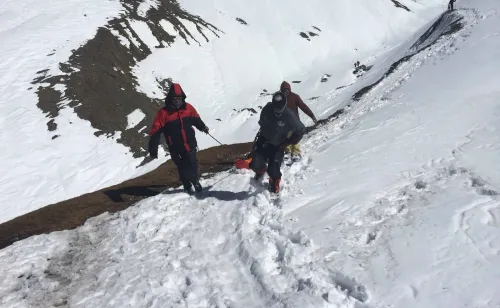
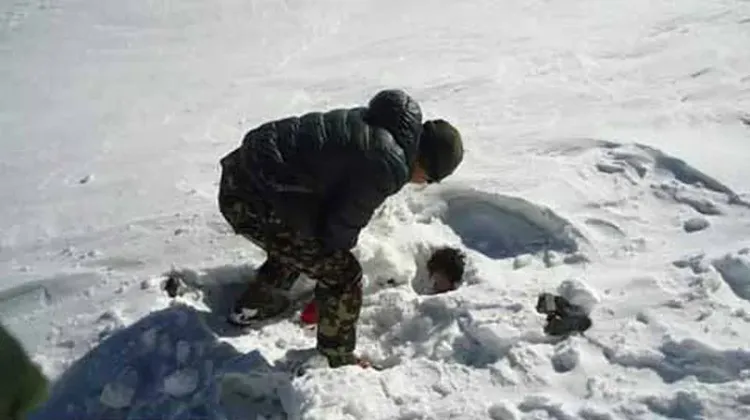
Search and rescue operations were ongoing as of Friday evening, with helicopter support deployed to the Karakoram high-altitude zone. The ACP has asked the public and media to refrain from sharing unverified information. With multiple nationalities — Nepal, Oman, Pakistan, China, and the United States — represented among the expedition members, the tragedy has drawn diplomatic attention from several governments. The fate of the six missing climbers, including Purja, remained unknown.
Point of View
Yet rescue infrastructure in the Karakoram remains stretched and weather-dependent. The diplomatic scramble involving Nepal, Oman, Pakistan, China, and the US speaks to both the reach of elite mountaineering and the gaps in coordinated international rescue protocols at extreme altitude.
NationPress
15 Sept 2026
Frequently Asked Questions
What happened on Broad Peak on 30 July 2025?
An avalanche struck Broad Peak, an 8,047-metre peak in Pakistan's Karakoram range, killing four climbers and leaving six others missing. The Alpine Club of Pakistan confirmed the disaster on Friday, with search and rescue operations ongoing.
Who is Nirmal Purja and why is he significant?
Nirmal Purja, known as 'Nims Dai', is a Nepal-born British mountaineer who completed all 14 of the world's 8,000-metre peaks in just over six months in 2019, shattering the previous record of nearly eight years. He is among the six climbers missing after the Broad Peak avalanche.
Which climbers have been confirmed dead in the Broad Peak avalanche?
The Alpine Club of Pakistan has confirmed the deaths of Pur Bahadur Gurung 'Yukta' of Nepal and Nadhira Ahmed Abdullah Al Harthy of Oman. Two other deceased climbers had not been officially identified as of Friday; ACP president Irfan Arshad Khan said identities would be shared once verified.
Why was Nirmal Purja climbing Broad Peak?
Purja had revealed in a Facebook post on 27 July that climbing Broad Peak was a last-minute addition to his plan, aimed at becoming the first person in history to summit all 14 eight-thousanders twice — and to do so without supplemental oxygen. Only Cho Oyu would have remained after Broad Peak.
What is Nepal doing to help the missing climbers?
Nepal's Ministry of Foreign Affairs confirmed that the Nepali Embassy in Islamabad is coordinating with Pakistani authorities and the Alpine Club of Pakistan to facilitate rescue operations. Ambassador Rita Dhital urged the mobilisation of all available resources to expedite the search.