Will Bulgaria's Snap Elections Resolve Political Turmoil?
Synopsis
Bulgaria's political landscape is in disarray as the nation prepares for snap elections following three failed attempts to form a government. After widespread protests and resignations, the urgency for change is palpable. Can these elections bring the stability Bulgaria desperately needs?
Key Takeaways
Early parliamentary elections are set in Bulgaria after failed government formations.
Protests sparked the resignation of the previous coalition government.
President Radev must appoint a caretaker government within two months.
Constitutional amendments limit the appointment options for caretaker prime ministers.
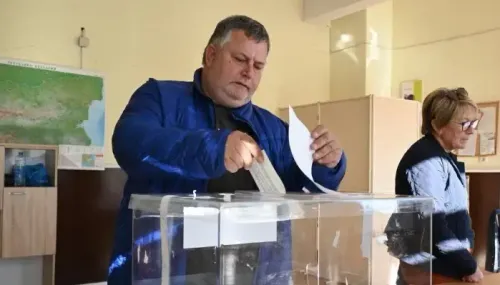
This political turmoil marks Bulgaria's seventh election in three and a half years.
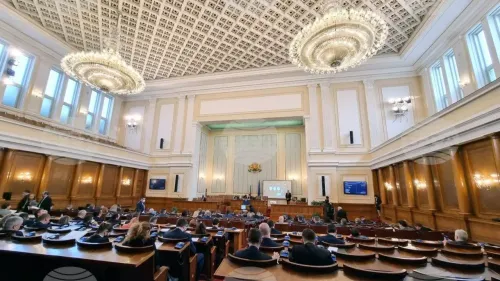
Sofia, Jan 16 (NationPress) Bulgaria is set to conduct early parliamentary elections following the unsuccessful attempt to establish a new government after three tries within the current legislature.
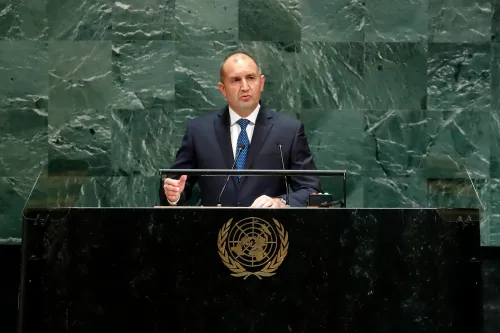
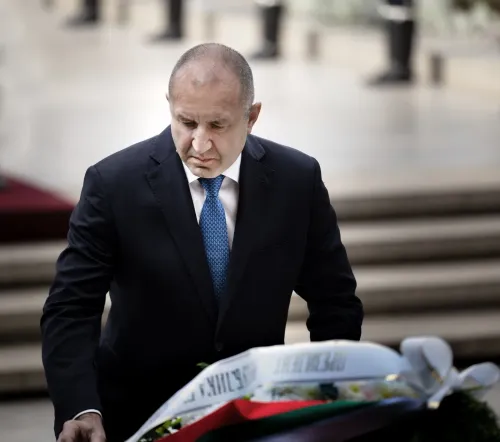
On Friday, Bulgarian President Rumen Radev suggested that the parliamentary group "Alliance for Rights and Freedoms" (ARF) take charge of forming a government, but they declined for the third consecutive time this week. Earlier in the week, the two primary parliamentary factions, GERB-UDF and PP-DB, also rejected the proposal, as reported by Xinhua News Agency.
The necessity for a new cabinet arose in December, triggered by the resignation of the coalition government led by Prime Minister Rosen Zhelyazkov, amid widespread protests concerning the ruling coalition's economic policies.
“Consciously and responsibly, our parliamentary group authorized me to return the third exploratory mandate unfulfilled, allowing us to work collectively towards fair, free, transparent, and democratic elections,” stated Hayri Sadakov, the chairperson of the ARF parliamentary group.
As per the Bulgarian Constitution, after failing three times, Radev must appoint a caretaker prime minister and government, and schedule new elections within two months, following consultations with parliamentary factions.
However, this process is complicated. Due to amendments made to the constitution at the end of 2023, Radev can only appoint a caretaker prime minister from specific roles: Speaker of Parliament, Governor or Deputy Governor of the Bulgarian National Bank, President or Vice President of the Bulgarian National Audit Office, or the Ombudsman or their deputy. Yet, there’s no obligation for individuals in these roles to accept the responsibility.
Moreover, Radev must appoint a caretaker cabinet recommended by the caretaker prime minister, although he retains the right to disagree with the suggestions. A similar situation unfolded before the previous parliamentary elections. In August 2024, Radev appointed Goritsa Grancharova-Kozhareva as caretaker prime minister, assigning her the task of proposing a caretaker government. When Radev disagreed with her choice for the interior minister, and she refused to propose an alternative, he appointed a different caretaker Prime Minister.
Zhelyazkov's government was officially sworn in on Jan. 16, 2025, following snap elections held in October 2024 -- marking Bulgaria's seventh parliamentary election in just three and a half years.
Point of View
Our focus is on the implications of these elections for Bulgaria's political stability. With the public's trust at stake, it is crucial that the upcoming government addresses the economic grievances that have sparked protests. Our commitment is to report on the evolving situation with integrity and clarity, ensuring that we keep the nation informed.
NationPress
1 Oct 2026
Frequently Asked Questions
What led to the need for snap elections in Bulgaria?
The need for snap elections arose after the resignation of Prime Minister Rosen Zhelyazkov's coalition government amidst widespread protests over economic policies, leading to failed attempts to form a new government.
How many attempts were made to form a new government?
There were three failed attempts to form a new government within the current legislature.
Who is responsible for appointing a caretaker government?
Bulgarian President Rumen Radev is responsible for appointing a caretaker prime minister and government following the failed attempts to form a new government.
What positions can the caretaker prime minister be appointed from?
The caretaker prime minister can be appointed from specific positions such as the Speaker of Parliament, Governor of the Bulgarian National Bank, or the Ombudsman, among others.
When were the last parliamentary elections held in Bulgaria?
The last parliamentary elections in Bulgaria were held in October 2024, marking the seventh parliamentary election in just three and a half years.