BYC leaders' Quetta jail protest enters Day 9 amid health, safety fears
Synopsis
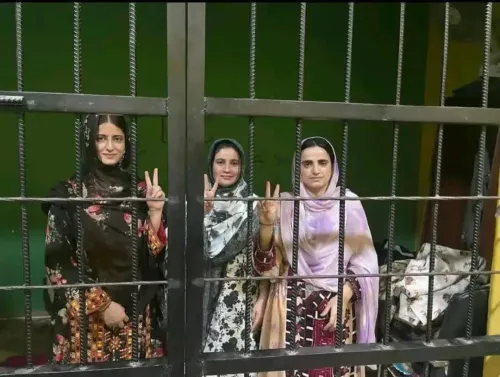
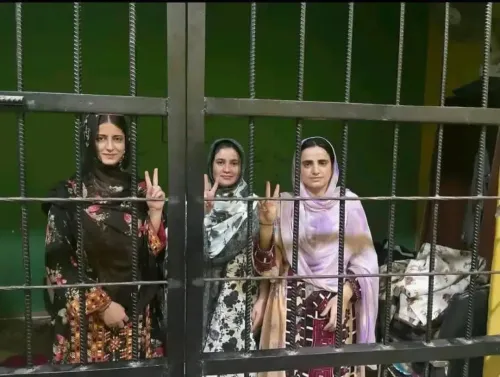
Detained BYC leaders, including Mahrang Baloch, have been staging a sit-in inside Huda Jail in Quetta for nine straight days — enduring extreme heat without basic facilities — to protest faceless trials and demand open court hearings. The standoff has put Pakistan's Anti-Terrorism Act amendments and due process guarantees for Baloch detainees under sharp scrutiny.
Key Takeaways
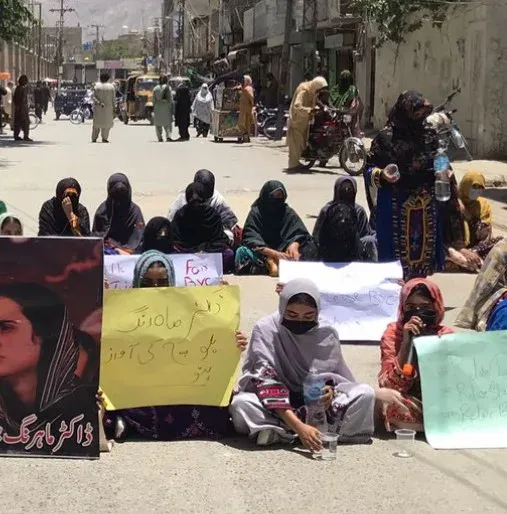
The BYC sit-in protest inside Huda Jail, Quetta entered its ninth consecutive day on 22 June .
Detained leaders include Mahrang Baloch , Bebarg Baloch , Shah Jee Baloch , Beebow Baloch , and Gulzadi Baloch .
The protest was triggered on 13 June when detainees learned their cases were being moved to a faceless trial format.
Key demands: cases heard in open court and transfer of Judge Muhammad Ali Mubeen of the Anti-Terrorism Court .
Recent Balochistan Assembly amendments to the Anti-Terrorism Act reportedly allow detention on mere suspicion, drawing criticism from rights groups.
The BYC has raised serious concern over the health and safety of detained leaders enduring extreme heat without basic facilities.
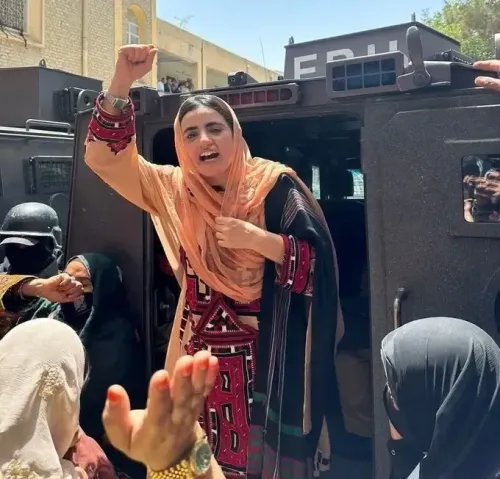
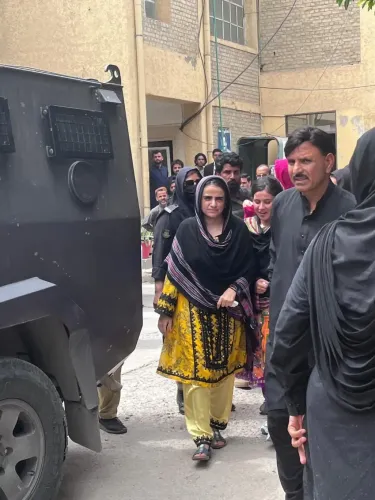
The sit-in protest by detained leaders of the Baloch Yakjehti Committee (BYC) inside Huda Jail in Quetta, Balochistan, entered its ninth consecutive day on Sunday, 22 June, with the rights body raising serious alarm over the health and safety of those involved. The BYC said the leaders were enduring harsh conditions — including scorching heat without basic facilities — while demanding the protection of their constitutional and legal rights.
What Triggered the Protest
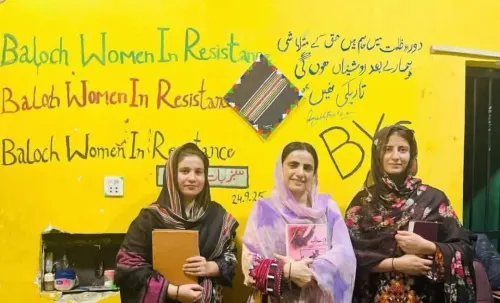
According to the BYC, the sit-in began on 13 June after detained leaders, including Mahrang Baloch, Bebarg Baloch, Shah Jee Baloch, Beebow Baloch, and Gulzadi Baloch, were informed during a court appearance that their cases were being transferred to a faceless trial — a procedure conducted away from public scrutiny and without the accused's chosen legal representation. The leaders immediately refused to return to their barracks and launched a peaceful sit-in within the jail premises.
The BYC alleged that despite the detainees' clear rejection of the proceedings, court hearings continued without their consent, and state-appointed lawyers were imposed upon them against their expressed wishes.
Key Demands of the Sit-In
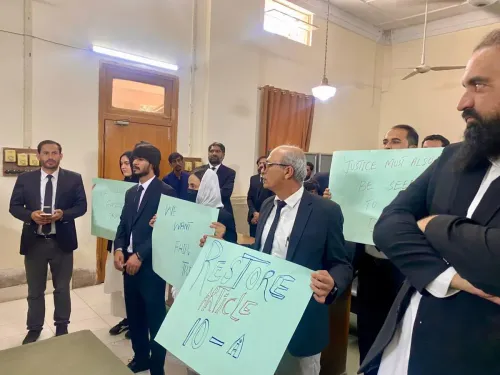
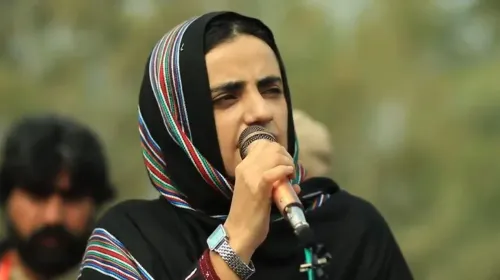
In a statement posted on social media platform X from Huda Jail, Mahrang Baloch outlined two core demands: first, that all cases be heard in an open court; and second, that Judge Muhammad Ali Mubeen of Pakistan's Anti-Terrorism Court be transferred. She stated, 'When, instead of transparent hearings of cases, such procedures are adopted that further restrict the accused and their lawyers, the claims of delivering justice lose their meaning.'
Concerns Over Amended Anti-Terrorism Law
Mahrang also raised alarm over recent amendments to Pakistan's Anti-Terrorism Act, approved by the Balochistan Assembly, which she said allow any individual to be imprisoned for extended periods 'merely on the basis of suspicion.' Critics argue these changes significantly erode due process protections for detainees in the province.
The BYC stressed that faceless trials 'not only violate the principles of transparent justice but also deprive detainees of their fundamental right to defend themselves.' It added that when families are denied access to meet detained relatives and proceedings are conducted away from public scrutiny, 'concerns regarding fairness and due process become even more serious.'
Broader Context
The BYC is a prominent Baloch human rights organisation that has previously organised large-scale protests over alleged enforced disappearances, extrajudicial killings, and state repression in Balochistan. Mahrang Baloch, one of its most visible leaders, referenced the sit-in's personal resonance: 'This sit-in has revived countless memories of our resistance struggle. Be it cold or heat, state violence or restrictions, we have always strived to stand with our people in every difficult time.'
This is the latest in a series of confrontations between BYC leaders and Pakistani authorities over what the committee describes as systematic denial of legal rights to Baloch detainees. As the protest continues into its second week, concerns over the physical condition of those involved are expected to intensify.
Point of View
Where anti-terror frameworks have repeatedly been applied in ways that critics say bypass ordinary due process. The faceless trial mechanism, now apparently extended to prominent rights activists, marks an escalation that deserves scrutiny beyond Pakistan's borders. What is striking is the timing: the protest coincides with fresh Balochistan Assembly amendments that critics say lower the threshold for prolonged detention to mere suspicion. If confirmed, that legislative shift would represent a structural tightening of the space for dissent in the province — one that mainstream coverage of Pakistan's political crisis has largely overlooked.
NationPress
20 Sept 2026
Frequently Asked Questions
Why are BYC leaders protesting inside Huda Jail in Quetta?
BYC leaders launched a sit-in on 13 June after learning their cases were being transferred to a faceless trial, a process they say denies them the right to choose their own lawyers and be heard in open court. They have refused to return to their barracks until their demands are met.
Who are the BYC leaders involved in the Quetta jail sit-in?
The detained leaders participating in the protest include Mahrang Baloch, Bebarg Baloch, Shah Jee Baloch, Beebow Baloch, and Gulzadi Baloch — all prominent figures within the Baloch Yakjehti Committee, a human rights organisation active in Balochistan.
What are the two main demands of the BYC sit-in?
The protesters have two core demands: that their cases be heard in an open, public court rather than through faceless proceedings, and that Judge Muhammad Ali Mubeen of Pakistan's Anti-Terrorism Court be transferred from their cases.
What is a faceless trial and why does the BYC object to it?
A faceless trial is a judicial proceeding conducted away from public scrutiny, often without the accused's chosen legal representation. The BYC argues it violates the fundamental right to a fair defence and transparent justice, and that state-appointed lawyers were imposed on detainees against their wishes.
What changes to Pakistan's Anti-Terrorism Act have raised concern?
Recent amendments approved by the Balochistan Assembly reportedly allow individuals to be imprisoned for extended periods on the basis of suspicion alone. Rights groups, including the BYC, argue this significantly weakens due process protections for Baloch detainees.