BYC condemns Pakistan's 'staged confessions' of Baloch detainees at press conferences
Synopsis
The Baloch Yakjehti Committee's latest report goes beyond individual cases — it documents what it calls a deliberate state strategy in Balochistan: detain, isolate, and then produce women before cameras to deliver scripted confessions. The BYC is now calling on the UN and global rights groups to intervene, framing the practice as both a legal violation and a targeted assault on Baloch women's dignity.
Key Takeaways
The Baloch Yakjehti Committee (BYC) released a thematic report on 25 May condemning alleged 'staged confessions' by Pakistani authorities in Balochistan .
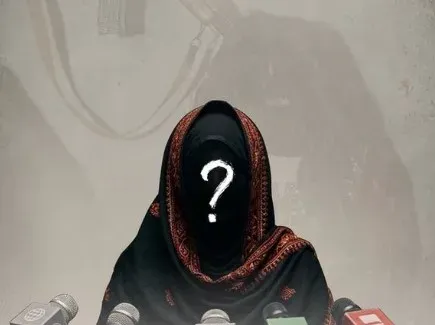
The report alleges detainees — particularly women — are held incommunicado, then presented at press conferences to deliver coerced confessional statements.
BYC described the practice as 'dehumanisation and blatant targeting of Baloch women,' citing violations of due process and the presumption of innocence.
The organisation accused authorities of using these press conferences to criminalise political leaders, human rights defenders, and civil activists .
BYC has urged the United Nations , Amnesty International , and Human Rights Watch to intervene and bring global attention to the issue.
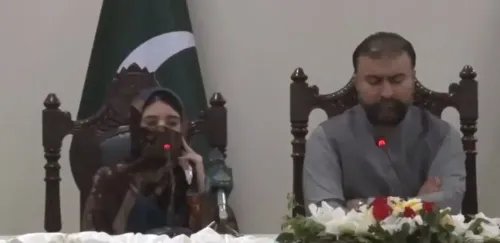
The Baloch Yakjehti Committee (BYC), a human rights organisation, has strongly condemned what it describes as a systematic pattern of Pakistani authorities producing detainees — particularly women — at press conferences to deliver what the body alleges are coerced confessional statements. The condemnation, issued from Quetta on 25 May, is backed by a thematic report documenting multiple such incidents in Balochistan.
What the Report Documents
The BYC's report, titled 'Staged Press Conferences and Confessional Narratives in Balochistan: Conflating Baloch Women's and BYC's Peaceful Struggle to Terrorism and Extremism to Justify State Violence', alleges that detainees are held without transparent legal procedures, kept incommunicado, and subsequently presented at public forums where 'confessional statements' are disseminated to media.
According to the report's findings, these documented cases reveal a recurring pattern that the BYC argues raises 'serious concerns about due process, the presumption of innocence, and the evidentiary integrity of such statements.'
Specific Concerns Over Treatment of Women
The BYC has reserved particular criticism for the alleged targeting of Baloch women, describing the practice as 'dehumanisation and blatant targeting.' The organisation argues that women in such cases face compounded harm — including social stigma, broader family consequences, and violations of cultural and religious norms.
'The authorities breach the customary norms, religious values and human dignity of Baloch women by presenting those victims before cameras who never show their faces on media. It is deeply disrespectful to women and amounts to targeting Baloch honour and dignity,' the BYC stated in the report.
The organisation also raised concerns about gender-sensitive protections in detention conditions, alleging that custodial arrangements do not meet basic standards for women detainees.
Broader Allegations Against Pakistani Authorities
Beyond individual cases, the BYC accused Pakistani state authorities of attempting to normalise enforced disappearances, preventive detention, and custodial torture as instruments to construct official narratives. According to the rights body, these staged press conferences are then used as a pretext to 'malign, criminalise and target political leaders, human rights defenders and civil activists.'
The report further alleged that such practices are aimed at spreading fear and discouraging participation in peaceful resistance, with the targeting of BYC members and other activists reflecting what the organisation characterises as a 'shrinking space for dissent and political expression' in Balochistan.
International Appeals
The BYC has called on United Nations human rights bodies and special procedures to formally raise these concerns with Pakistani authorities. It has also urged international organisations including Amnesty International and Human Rights Watch to direct global attention to the alleged targeting of women in Balochistan, accusing authorities of 'concealing and distorting facts through coercion, media trials, forced confessions and staged press conferences.'
Pakistani authorities have not publicly responded to the specific allegations contained in the BYC report. The situation in Balochistan remains under international scrutiny, with rights groups consistently flagging concerns over enforced disappearances and civil liberties in the province.
Point of View
Designed to delegitimise peaceful dissent by conflating activism with terrorism. The specific targeting of women is a calculated pressure point — in a society where family honour carries weight, public 'confessions' on camera inflict damage far beyond the individual detainee. What is notably absent from this picture is any independent verification mechanism; Pakistani authorities have not engaged with the substance of these allegations, and international bodies have yet to formally investigate. Until they do, the BYC's documented pattern remains serious but contested.
NationPress
10 Oct 2026
Frequently Asked Questions
What is the Baloch Yakjehti Committee (BYC)?
The Baloch Yakjehti Committee (BYC) is a human rights organisation that documents and advocates against alleged state repression in Balochistan, Pakistan. It has been particularly active in reporting cases of enforced disappearances, custodial abuse, and the targeting of civil activists and women.
What does the BYC report allege about Pakistani authorities?
The BYC report alleges that Pakistani authorities detain individuals without transparent legal procedures, hold them incommunicado, and then present them at media press conferences to deliver what the organisation describes as coerced or staged confessional statements. The report says this practice is used to criminalise peaceful activists and human rights defenders.
Why are Baloch women specifically highlighted in the report?
The BYC argues that women face compounded harm from these alleged practices — including social stigma, family consequences, and violations of cultural and religious norms. The organisation states that presenting women before cameras, when they would not ordinarily appear publicly on media, constitutes a targeted assault on Baloch dignity and honour.
What action is the BYC demanding internationally?
The BYC has called on United Nations human rights bodies and special procedures to formally raise these concerns with Pakistani authorities. It has also urged Amnesty International and Human Rights Watch to direct global attention to the alleged targeting of Baloch women and activists.
Has Pakistan responded to these allegations?
Pakistani authorities have not publicly responded to the specific allegations contained in the BYC's thematic report. The situation in Balochistan has been a longstanding point of contention between the Pakistani government and human rights organisations internationally.