California declares state of emergency for historic El Niño season
Synopsis
California has declared a state of emergency for what forecasters say could be the strongest El Niño in recorded history — and the stakes go far beyond winter storms. ECLAC warns a high-intensity event could wipe out 2% of Latin America and the Caribbean's GDP and push nearly 5 million more people into poverty, making this a global economic risk, not just a California weather story.
Key Takeaways
California declared a state of emergency on Monday to prepare for a potentially historic El Niño season.
The proclamation mobilises state agencies to protect communities, prepare infrastructure, stockpile supplies, and reduce flood and landslide risk.
Forecasters warn the emerging El Niño could become the strongest ever recorded .
ECLAC warns a high-intensity El Niño could cost Latin America and the Caribbean at least 2% of GDP and push 4.8 million people into poverty.
Key sectors at risk include energy , agriculture , fisheries , and infrastructure , with economic effects potentially lasting toward the end of the decade .
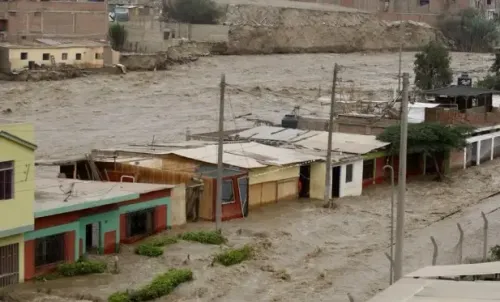
California has declared a state of emergency to brace for what could become the strongest El Niño event in recorded history, according to a statement from the governor's office on Monday. The proclamation mobilises state resources and accelerates preparations ahead of potential winter storms, coastal flooding, and related hazards.
What the Emergency Proclamation Orders
The declaration directs state agencies to protect vulnerable communities, prepare roads and critical infrastructure, and stockpile emergency supplies. Local partners are also being supported to reduce the risk of flooding, landslides, and coastal hazards. Californians have been urged to register for emergency alerts and make evacuation plans well in advance.
How Severe Could This El Niño Be
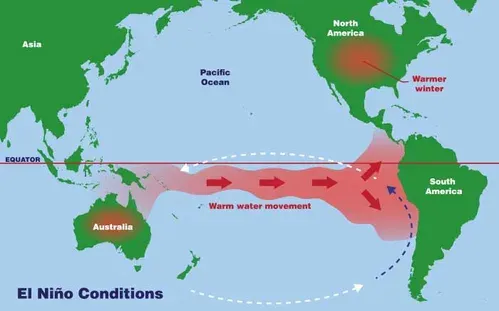
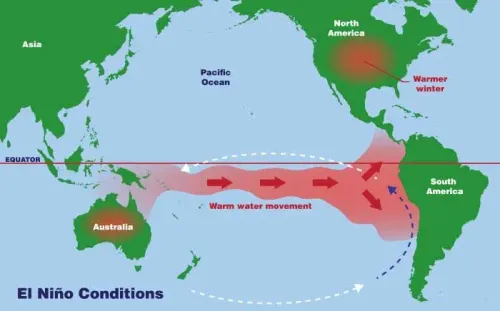
'The emerging El Niño event is already breaking records, and forecasters expect it to continue to strengthen, potentially becoming the strongest in recorded history,' the governor's office said in its statement. El Niño is a natural climate pattern characterised by warmer-than-average ocean temperatures in the tropical eastern Pacific, which can alter global weather patterns and bring wetter, more intense winters to California. This comes amid an already active Atlantic hurricane season and broader climate disruptions across the Northern Hemisphere.
Regional and Global Economic Warning
The Economic Commission for Latin America and the Caribbean (ECLAC), headquartered in Santiago, has warned that an extreme El Niño event could cause losses equivalent to at least 2 per cent of Latin America and the Caribbean's GDP and push an additional 4.8 million people into poverty. In a report titled 'The Effects of El Niño in Latin America and the Caribbean and Recommendations for Addressing It', ECLAC said a high-intensity event could have sweeping economic, social, and productive consequences — particularly across energy, agriculture, fisheries, and infrastructure sectors.
Key Warnings from ECLAC
ECLAC Executive Secretary José Manuel Salazar-Xirinachs cautioned of 'severe economic and social repercussions' alongside impacts on key productive sectors if El Niño reaches high intensity. The agency noted that the largest economic losses would likely occur in the first year of the event, though effects could persist over time. Declining household incomes, it warned, could raise poverty levels toward the end of the decade.
What Happens Next
State agencies in California are now on accelerated timelines to implement preparedness measures before the winter storm season sets in. With forecasters expecting El Niño to continue strengthening, both the scale of emergency response and the adequacy of existing infrastructure will be closely watched in the weeks ahead.
Point of View
Notably its ageing levees and drought-stressed hillsides, remains exposed regardless of proclamations. More significantly, framing this as a California story understates the scale: ECLAC's warning of a 2% GDP hit across an entire hemisphere, affecting millions of the most vulnerable, signals that El Niño 2023-24 could become a defining economic and humanitarian event. The window to prepare is narrowing fast, and the policy response so far looks calibrated to the last major event, not potentially the worst one on record.
NationPress
22 Sept 2026
Frequently Asked Questions
Why has California declared a state of emergency over El Niño?
California declared a state of emergency to mobilise state resources and accelerate preparations for potentially severe winter storms, coastal flooding, and landslides linked to what forecasters say could be the strongest El Niño on record. The proclamation directs agencies to protect vulnerable communities and stockpile emergency supplies.
What is El Niño and how does it affect California?
El Niño is a natural climate pattern caused by warmer-than-average ocean temperatures in the tropical eastern Pacific. For California, it typically brings wetter, more intense winters, raising the risk of storms, flooding, and landslides.
How severe could the 2023 El Niño event be?
According to the California governor's office, the emerging El Niño is already breaking records and could potentially become the strongest in recorded history if it continues to strengthen as forecasters expect.
What economic impact could El Niño have on Latin America?
ECLAC has warned that an extreme El Niño event could cause economic losses equivalent to at least 2% of Latin America and the Caribbean's GDP. It could also push an additional 4.8 million people into poverty, with effects persisting toward the end of the decade.
Which sectors are most at risk from a high-intensity El Niño?
According to ECLAC, the sectors most vulnerable to a high-intensity El Niño are energy, agriculture, fisheries, and infrastructure. ECLAC Executive Secretary José Manuel Salazar-Xirinachs has specifically warned of severe economic, social, and productive repercussions across these areas.