Bolivia declares El Niño state of emergency as 80,000 families face drought
Synopsis
Bolivia's President Rodrigo Paz has declared a national emergency as El Niño-driven drought leaves 80,000 families without water and kills over 75,000 livestock across six departments — with flooding risk still to come as the event is forecast to peak in late 2026.
Key Takeaways
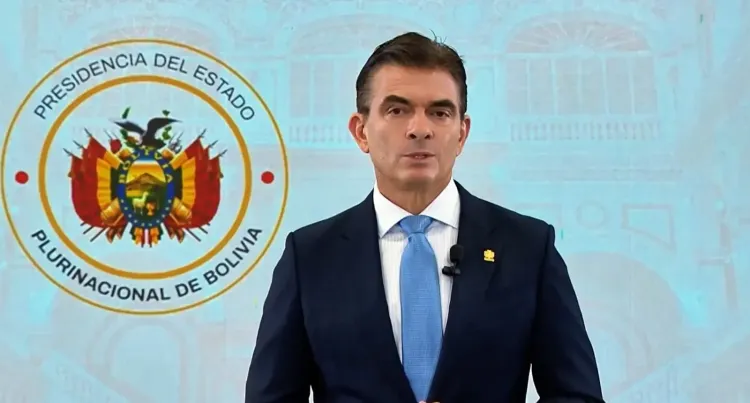
President Rodrigo Paz of Bolivia signed a decree declaring a national state of emergency over El Niño impacts.
Nearly 80,000 families across six of Bolivia's nine departments are facing acute water shortages.
Drought has already killed more than 75,000 head of livestock , with 63 communities directly affected.
The emergency declaration aims to mobilise resources, improve agency coordination, and secure international aid.
Myanmar's Yangon region has set up over 600 heat relief shelters for 150,000+ people in preparation for El Niño heat.
The World Meteorological Organisation projects the current El Niño event could peak in November–December 2026 .
Bolivian President Rodrigo Paz has signed a decree declaring a national state of emergency in response to the deepening impacts of El Niño, as drought ravages multiple regions and threatens to give way to severe flooding in the months ahead. The declaration mobilises financial and human resources, tightens coordination among government agencies, and opens the door to international assistance for affected communities.
Scale of the Crisis
According to Bolivia's Vice Ministry of Civil Defence, nearly 80,000 families across six of the country's nine departments are already facing acute water shortages. The drought has killed more than 75,000 head of livestock, dealing a serious blow to rural livelihoods, while 63 communities have been directly affected. The livestock sector is additionally struggling with critical shortages of animal feed, compounding losses for farming households.
Why the Emergency Was Declared
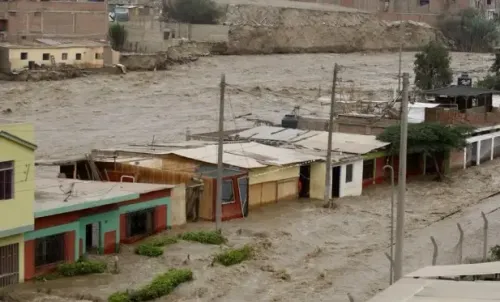
President Paz said the decree is designed to address both the current drought and the risk of flooding that typically follows an El Niño cycle. The measure seeks to 'mobilise financial and human resources, strengthen coordination among government agencies and seek international cooperation to assist affected families,' according to reports. This dual-phase threat — drought now, floods later — is characteristic of strong El Niño events and makes early-stage emergency declarations critical for disaster preparedness.
What Is El Niño
El Niño is a recurring climate phenomenon driven by unusually warm surface waters in the central and eastern equatorial Pacific Ocean, which disrupts atmospheric circulation and triggers abnormal weather across large parts of the world. Strong events are associated with severe droughts in South America and parts of Asia, and with flooding in other regions. The World Meteorological Organisation and international climate centres have assessed that the current event could peak in November and December 2026.
Myanmar Also Braces for El Niño Heat
Across Asia, Myanmar's Yangon region has set up more than 600 heat relief shelters with a combined capacity of over 150,000 people in anticipation of the same El Niño-driven extreme heat. The shelters are spread across 14 districts, with healthcare services — including hospitals, clinics and rural health facilities — placed on standby. Myanmar's Department of Meteorology and Hydrology (DMH) warned that the event could bring irregular rainfall, higher temperatures, unusual storm activity, drought, and other extreme weather during the coming summer season.
What Comes Next
With the El Niño peak projected for late 2026, Bolivia faces the challenge of managing current drought conditions while simultaneously pre-positioning resources for potential flooding. International cooperation will be critical, as six of nine departments are already stretched. The unfolding situation underscores the widening humanitarian footprint of climate-driven disasters across the Global South.
Point of View
Floods second — demands anticipatory governance rather than reactive relief. With six of nine departments already affected, the institutional bandwidth to pivot from drought response to flood preparedness in the span of weeks will be severely tested. Globally, the pattern is familiar: the countries least responsible for greenhouse gas emissions bear the sharpest climate costs. What is less noticed is that El Niño years reliably expose the gap between national emergency declarations and the international financing that must follow them — a gap that has historically been slow to close.
NationPress
1 Nov 2026
Frequently Asked Questions
Why has Bolivia declared a state of emergency over El Niño?
Bolivia declared a national state of emergency because El Niño-driven drought has left nearly 80,000 families without adequate water across six of the country's nine departments, killed over 75,000 head of livestock, and threatens to bring flooding in the coming months. President Rodrigo Paz signed the decree to mobilise financial and human resources and seek international assistance.
How many people and animals have been affected in Bolivia?
According to Bolivia's Vice Ministry of Civil Defence, nearly 80,000 families are facing water shortages and more than 75,000 head of livestock have died due to drought. Additionally, 63 communities have been directly impacted, with the livestock sector struggling from animal feed shortages.
What is El Niño and why does it cause both drought and flooding?
El Niño is a climate phenomenon caused by unusually warm surface waters in the central and eastern equatorial Pacific Ocean, which disrupts normal atmospheric circulation worldwide. It typically brings drought to some regions and heavy rainfall or flooding to others, and strong events can shift from one extreme to the other within a single season.
When is the current El Niño expected to peak?
The World Meteorological Organisation and international climate centres have assessed that the current El Niño event could peak in November and December 2026, according to Myanmar's Department of Meteorology and Hydrology. Bolivia is preparing for the risk of flooding that often follows the drought phase of such events.
How is Myanmar responding to the El Niño threat?
Myanmar's Yangon region has established more than 600 heat relief shelters with a combined capacity of over 150,000 people across 14 districts, and has placed healthcare services on standby. The country's meteorological authority has warned of irregular rainfall, higher temperatures, drought, and unusual storm activity during the coming summer season.