Canada heat dome 2025: Millions under alerts as flooding hits Manitoba
Synopsis
Canada is simultaneously battling a heat dome baking millions across Ontario, Quebec, and the Prairies, and severe flooding that forced Dauphin, Manitoba to declare a local state of emergency — all while Ottawa's Canada Day celebrations were washed out by storms. The twin disasters in a single week illustrate how extreme weather is no longer a sequential threat but a concurrent one.
Key Takeaways
Environment and Climate Change Canada has issued heat warnings for Ontario , Quebec , the Prairies , and the Northwest Territories .
Residents in southwestern and eastern Ontario face elevated temperatures with little overnight relief.
Ottawa's Canada Day afternoon programming, including the Snowbirds flypast, was cancelled on Wednesday due to storms and localised flooding.
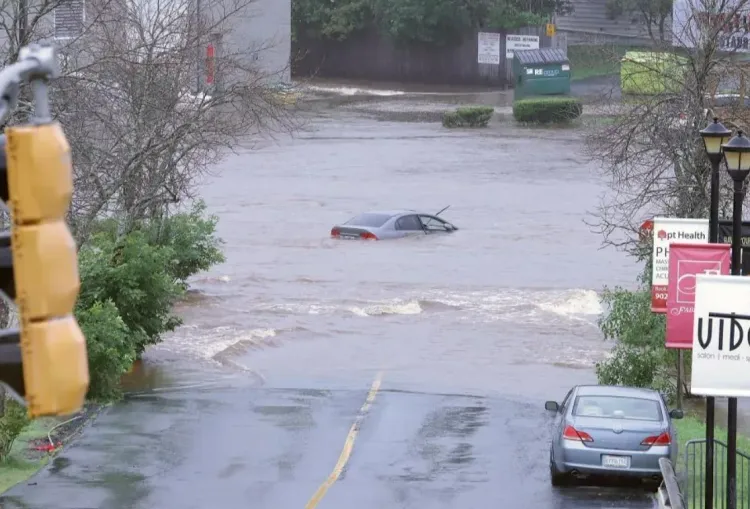
The city of Dauphin in western Manitoba declared a local state of emergency on Wednesday amid severe flooding in the Parkland region .
Authorities are urging vulnerable groups — older adults, young children, and heat-sensitive individuals — to take precautions during peak afternoon hours.
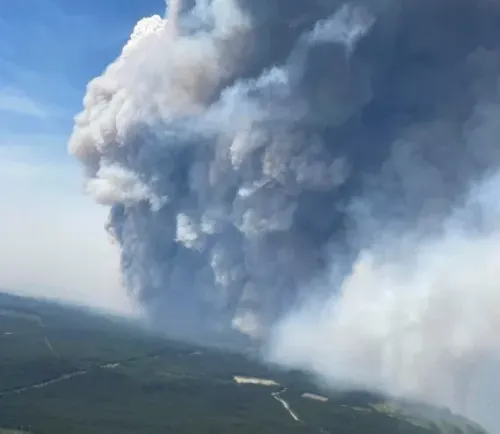
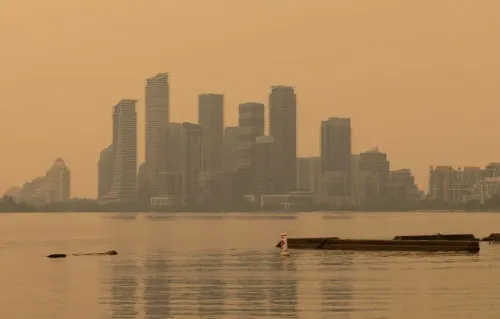
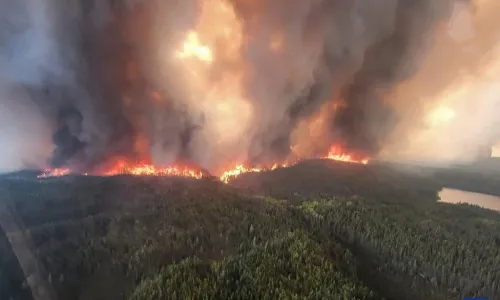
A powerful heat dome has locked itself over large swaths of Canada, pushing millions of residents under active heat alerts as daytime temperatures and humidity levels climb well above seasonal norms. Simultaneously, parts of the country are contending with torrential rainfall and severe flooding, underscoring the volatile and contradictory nature of the ongoing extreme weather event.
Heat Alerts Across Multiple Provinces
Environment and Climate Change Canada has issued heat warnings spanning Ontario, Quebec, the Prairies, and the Northwest Territories. In southwestern Ontario, communities are enduring elevated daytime temperatures with little overnight relief, while residents in eastern Ontario have been advised to curtail outdoor activities during peak afternoon hours. The agency has urged the public to stay hydrated, avoid strenuous exertion during the hottest parts of the day, and regularly check on vulnerable individuals — including older adults, young children, and those with heat sensitivities.
Canada Day Disrupted in Ottawa
In the nation's capital, Ottawa, Canada Day celebrations on Wednesday were significantly disrupted by heavy storms and localised flooding. Afternoon programming was cancelled, including a much-anticipated flypast by the Snowbirds aerobatic demonstration team — a marquee feature of the annual national holiday festivities. The disruption highlighted how the unstable atmospheric conditions accompanying the heat dome have heightened the risk of severe thunderstorms and secondary weather disasters across several regions.
Flooding Emergency in Manitoba
While heat dominated headlines in the east, the Parkland region of Manitoba in central Canada was inundated by torrential rain earlier this week, triggering severe flooding. The city of Dauphin in western Manitoba declared a local state of emergency on Wednesday to manage the rapidly deteriorating flood situation. The declaration signals the scale of the crisis, with local authorities mobilising resources to protect residents and infrastructure.
The Broader Pattern
This comes amid a broader trend of intensifying summer weather extremes across North America. Heat domes — high-pressure systems that trap warm air and prevent it from dissipating — have become more frequent and more severe in recent years, according to climate scientists. Canada's experience this week mirrors events seen in previous summers, where simultaneous heat and flooding events have strained emergency response systems. Notably, the combination of dry, superheated air in some zones and unstable, moisture-laden air in others is a textbook signature of a destabilised jet stream.
What Authorities Are Advising
Officials are urging residents in heat-affected zones to use cooling centres, limit sun exposure between noon and 4 pm, and monitor local weather bulletins closely. In flood-hit areas, residents have been asked to avoid low-lying zones and follow evacuation guidance from local authorities. The situation across multiple provinces remains fluid, with conditions expected to persist in the near term before any significant relief arrives.
Point of View
Producing violent convective storms on their edges that dump rain faster than drainage systems can handle. What is striking this week is the geographic simultaneity: Ontario swelters while Manitoba drowns. Emergency management frameworks built around single-hazard events are being stress-tested in real time, and the cancellation of Ottawa's Canada Day flypast is a small but visible symbol of how climate volatility is now embedded in everyday civic life.
NationPress
1 Oct 2026
Frequently Asked Questions
What is a heat dome and why is it affecting Canada?
A heat dome is a high-pressure weather system that traps warm air over a region, preventing it from rising and cooling. It is currently gripping large parts of Canada, pushing temperatures and humidity well above seasonal norms across Ontario, Quebec, the Prairies, and the Northwest Territories.
Which areas of Canada are under heat warnings?
Environment and Climate Change Canada has issued heat warnings for Ontario, Quebec, the Prairies, and the Northwest Territories. Southwestern and eastern Ontario are among the hardest-hit areas, with residents advised to avoid outdoor activity during peak afternoon hours.
Why did Dauphin, Manitoba declare a state of emergency?
The city of Dauphin in western Manitoba declared a local state of emergency on Wednesday after torrential rain caused severe flooding in the Parkland region of central Canada. Local authorities mobilised emergency resources to manage the rapidly worsening situation.
How were Canada Day celebrations affected by the weather?
Canada Day festivities in Ottawa were disrupted on Wednesday when heavy storms and localised flooding forced the cancellation of afternoon programming, including the popular Snowbirds aerobatic flypast — a highlight of the national holiday celebrations.
What precautions are Canadian authorities recommending?
In heat-affected zones, officials are advising residents to stay hydrated, use cooling centres, and limit sun exposure between noon and 4 pm. In flood-hit areas, residents are being asked to avoid low-lying zones and follow local evacuation guidance.