Ontario wildfires choke Toronto, Ottawa with worst air quality globally
Synopsis
Toronto ranked as the world's worst city for air quality on Wednesday as Ontario wildfires sent toxic smog across Canada's largest urban centres. With over 100 fires still active, a CN train crew narrowly escaped raging flames near Armstrong — and scientists warn this is no outlier but part of Canada's rapidly accelerating climate emergency.
Key Takeaways
Toronto recorded the worst air quality index among major global cities on Wednesday, 16 July , rated 'very high risk' by Environment Canada .
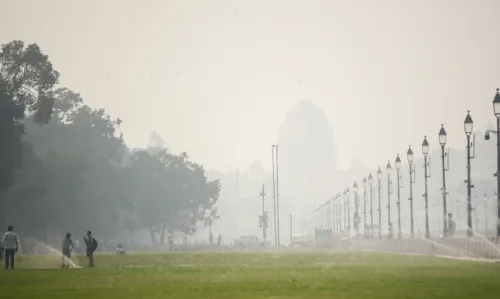
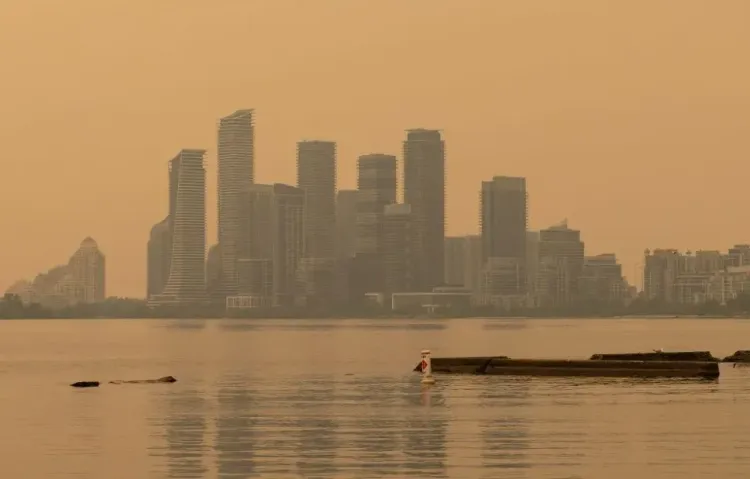
Ottawa issued air quality alerts as wildfire smoke combined with high humidity turned the sky yellow.
A CN train was surrounded by flames near Armstrong, Ontario late Monday; the crew was safely evacuated.
Canadian National (CN) has suspended rail operations in the affected section.
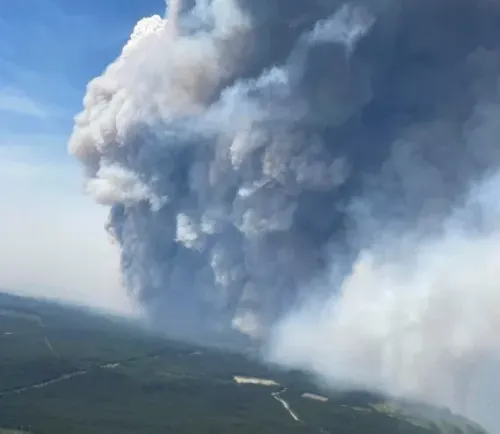
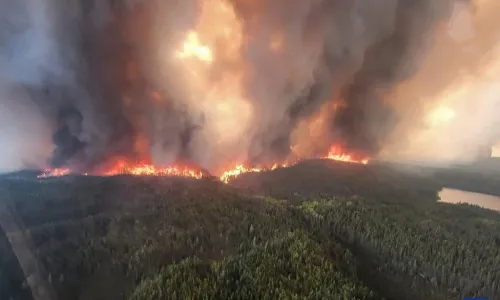
More than 100 active fires are burning in northwestern Ontario, forcing emergency evacuations of multiple communities.
Canada is warming at more than double the global average rate , with scientists warning wildfire seasons will intensify further.
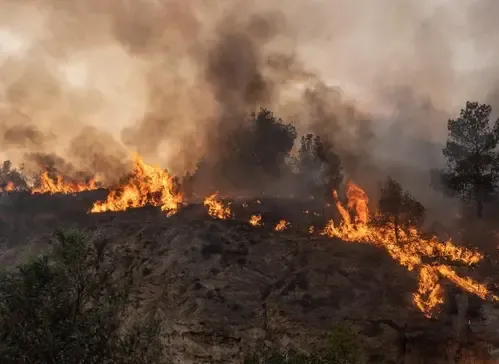
Wildfires raging across northwestern Ontario, Canada, have blanketed major cities in thick smog, with Toronto recording the worst air quality index among major global cities on Wednesday and Ottawa issuing urgent air quality alerts. The fires have also forced the temporary suspension of Canadian National (CN) rail operations and triggered emergency evacuations across several communities.
Air Quality Crisis in Toronto and Ottawa
According to data released by Environment Canada, Toronto's Air Quality Health Index was classified as 'very high risk' — the most severe rating — placing the city at the bottom of global air quality rankings for the day. In Ottawa, the nation's capital, authorities issued air quality alerts as wildfire smoke combined with high humidity to trap particulate matter at ground level, turning the sky a striking yellow. Weather authorities warned the heavy smog is expected to persist for several more days, driven by prevailing airflow and wind patterns.
CN Train Surrounded by Flames Near Armstrong
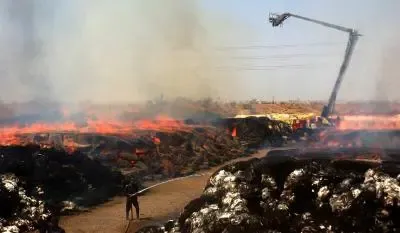
A video that circulated widely on social media captured the scale of the danger on the ground: a CN train was shown engulfed by raging wildfires near Armstrong, Ontario, with towering flames consuming the woods on both sides of the tracks and casting an intense red glow inside the locomotive cab. The footage was filmed late Monday by a crew member aboard the train. CN confirmed the authenticity of the video on Wednesday, stating that the train crew had been safely evacuated. The railway has since announced a temporary suspension of operations along the affected section.
More Than 100 Active Fires Still Burning
As of Wednesday, more than 100 active fires remain burning across northwestern Ontario, according to reports. Emergency evacuations have been ordered for residents of several communities in the region. The scale of the blazes has overwhelmed local response capacity, with the fires spreading rapidly amid dry conditions and strong winds.
Canada's Accelerating Climate Crisis
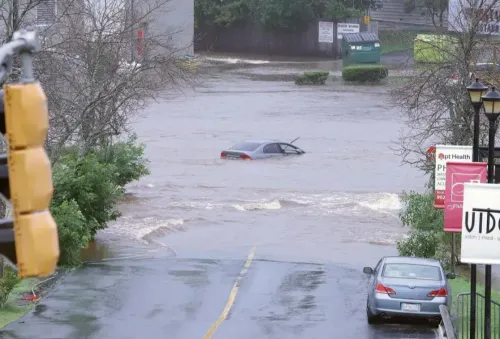
This comes amid a documented and alarming trend: Canada is warming at a rate more than double the global average, with the Canadian Arctic experiencing temperature rises nearly three times the global rate. Over the past five years alone, the country has witnessed a sharp increase in severe weather events — from fatal droughts and devastating floods to increasingly destructive wildfire seasons. Scientists and climate experts caution that these events are not anomalies but accelerating patterns, and that conditions are expected to worsen in the years ahead. The 2023 wildfire season was already Canada's worst on record, and the current fires suggest 2025 is tracking a similarly destructive path.
What Comes Next
Authorities continue to monitor wind patterns that are spreading smoke eastward toward densely populated urban centres. Residents in affected areas have been advised to stay indoors, use air purifiers, and avoid strenuous outdoor activity. The duration of the rail suspension and the pace of evacuations will depend heavily on whether firefighting efforts can contain the most active blazes in the coming days.
Point of View
But the more sobering detail is Toronto topping the global worst-air-quality list — a designation usually reserved for cities in South Asia or Central Africa. Canada's self-image as a vast, green nation insulates public discourse from the reality that its per-capita emissions and warming rate are among the highest in the developed world. The wildfire-smog feedback loop — fires intensified by climate change, smoke worsening public health, pressure mounting on infrastructure — is no longer a future scenario. It is a present operational reality, and Canada's urban planning, rail logistics, and public health systems are visibly unprepared for its frequency.
NationPress
15 Oct 2026
Frequently Asked Questions
Why is Toronto's air quality so bad right now?
Toronto's air quality deteriorated to the worst among major global cities on 16 July due to smoke drifting from active wildfires in northwestern Ontario. Environment Canada classified the city's Air Quality Health Index as 'very high risk', the most severe category.
How many wildfires are currently burning in Ontario?
More than 100 active fires are burning across northwestern Ontario as of Wednesday. The blazes have forced emergency evacuations of residents from several communities and disrupted rail operations.
What happened to the CN train caught in the Ontario wildfire?
A Canadian National train was surrounded by raging wildfires near Armstrong, Ontario, late Monday. A crew member filmed the incident, showing flames engulfing both sides of the track. CN confirmed the video's authenticity and said the crew was safely evacuated. The railway has since suspended train operations in the affected section.
How long will the smog last in Toronto and Ottawa?
Weather authorities have warned that the heavy smog is expected to persist for several more days, driven by prevailing airflow and wind patterns that continue to carry smoke toward populated urban centres.
Is Canada's wildfire problem getting worse due to climate change?
Yes, according to scientists and climate experts. Canada is warming at more than double the global average rate, with the Canadian Arctic warming nearly three times faster. Over the past five years, severe weather events — including wildfires, droughts, and floods — have increased sharply, and experts warn these trends will continue to escalate.