Bangladesh's Rooppur Nuclear Plant: Caution Urged by Experts

Synopsis
With Bangladesh set to begin fuel loading at the Rooppur Nuclear Power Plant, experts express concerns over safety, infrastructure, and the need for a robust domestic scientific base. This pivotal moment raises questions about the country’s readiness for nuclear energy.
Key Takeaways
Fuel loading at Rooppur Nuclear Power Plant begins April 7.
Safety and technological reliability are critical.
Historical disasters like Chernobyl and Fukushima stress the need for caution.
A robust domestic scientific base is essential for success.
Infrastructure challenges must be addressed for stable power distribution.
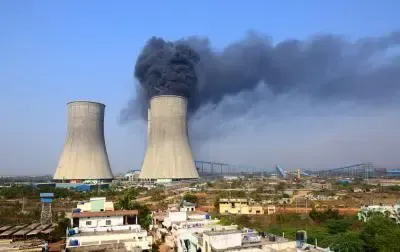
New Delhi, March 26 (NationPress) Bangladesh is poised for a significant milestone as it prepares to commence fuel loading at the inaugural unit of the Rooppur Nuclear Power Plant on April 7, marking the activation of the reactor for electricity generation, as reported by The Daily Star, a prominent Dhaka newspaper.
Fuel loading represents one of the most critical and intricate stages in the operational life of a nuclear reactor. Hence, safety, radiation management, and technological dependability become essential, as even a slight oversight could lead to substantial consequences, according to Dr. Kamrul Hassan Mamun, a Physics Professor at Dhaka University.
He references the Chernobyl and Fukushima disasters to highlight how infrequent yet devastating failures in nuclear systems can alter societies and ecosystems for years to come. These instances underscore a vital principle: nuclear energy necessitates the utmost standards of safety, technical expertise, and transparent governance.
Dr. Mamun has long raised concerns about Bangladesh embarking on such a sensitive project predominantly financed by foreign loans and executed by foreign entities. Typically, nations do not initiate their nuclear energy journey without first establishing a robust domestic scientific and technological framework.
In successful nuclear programs, countries foster their own cadre of elite nuclear scientists, engineers, and regulatory authorities prior to reactor construction. Without this foundational base, a nuclear initiative risks becoming an externally sourced technological system rather than a fully integrated national capability, he cautions.
He also emphasizes that a nuclear reactor is a tremendous power source. A single reactor can generate approximately 1,000 megawatts or more. Introducing such a significant amount of electricity into a relatively fragile or unstable national power grid poses serious technical challenges.
Electric grids require a delicate equilibrium between supply and demand. Frequency, voltage, and load must be synchronized throughout the network. Even minor disturbances can ripple through the system, leading to cascading failures. A grid that lacks robustness may face destabilization due to a sudden influx—or loss—of a large power source.
This risk heightens particularly when a large nuclear reactor is involved. Unlike gas turbines or hydroelectric facilities, nuclear reactors cannot easily adjust their output in response to sudden fluctuations in electricity demand, Dr. Mamun notes. Gas turbines and hydropower stations typically fulfill this balancing role. Effective coordination becomes crucial when nuclear and flexible sources coexist within the same grid.
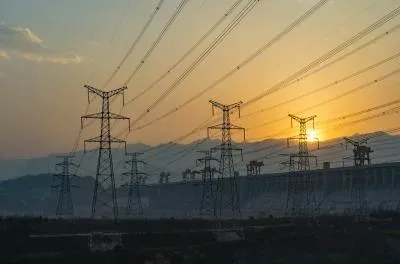
Another critical factor is the transmission infrastructure necessary for distributing electricity produced by nuclear power across the nation. The Rooppur plant will generate electricity far from many major consumption centers, necessitating robust high-voltage transmission lines capable of transporting large volumes of electricity over considerable distances. A weak or inadequate transmission network can lead to various complications.
Beyond infrastructure, a more profound issue arises: the cultivation of scientific and technical capabilities. History indicates that significant scientific advancements rarely stem from short-term training initiatives. Instead, they evolve from enduring intellectual ecosystems—encompassing universities, research institutions, and dynamic scientific cultures, asserts Dr. Mamun.
He draws parallels with India's nuclear science journey, highlighting the pivotal role of scientists like Homi Jehangir Bhabha in establishing the nation's nuclear research program. Bhabha, a respected physicist, was connected to luminaries such as Albert Einstein and laid the intellectual foundation for India's nuclear advancements.
India subsequently produced influential figures like Vikram Sarabhai and R. Chidambaram, who made substantial contributions to the country's scientific and technological evolution.
Dr. Mamun concludes that the genuine measure of success for the Rooppur nuclear power plant will not solely hinge on the reactor's operation. It will depend on whether Bangladesh can cultivate the broader ecosystem necessary to support such technology—robust universities, effective regulatory institutions, skilled engineers, resilient power grids, and a culture of scientific excellence.
If Bangladesh meets this challenge, nuclear power could indeed serve as a cornerstone for its long-term energy security. Conversely, the lesson will be clear: imported technology, devoid of deep domestic capacity, may light up cities—but it cannot independently shape a nation's scientific future, he warns.
Point of View
Highlighting the necessary safety protocols, infrastructure readiness, and the establishment of a robust scientific community. It advocates for a national-first approach to ensure that technological advancements are sustainable and beneficial to the country's future.
NationPress
24 Sept 2026
Frequently Asked Questions
What is the Rooppur Nuclear Power Plant?
The Rooppur Nuclear Power Plant is Bangladesh's first nuclear power facility, designed to generate electricity and enhance energy security.
When is the fuel loading scheduled to begin?
Fuel loading at the Rooppur Nuclear Power Plant is scheduled to start on April 7.
What are the main concerns regarding the nuclear plant?
Concerns include safety, the stability of the national power grid, and the need for a strong domestic scientific base.
What historical events highlight the risks of nuclear power?
The Chernobyl and Fukushima disasters exemplify catastrophic failures in nuclear systems that can have long-lasting impacts.
How can Bangladesh ensure success with its nuclear program?
By developing a comprehensive scientific ecosystem, including skilled professionals and robust institutions, to support nuclear technology.