Ceuta migrant crisis: Spain deploys sea barrier as death toll hits 72
Synopsis
Spain's Ceuta enclave has become the epicentre of one of Europe's most acute border crises in years — with 72 confirmed dead, 88 bodies in the morgue, a floating sea barrier now fully deployed, and 22 EU nations demanding an emergency ministerial meeting. The political and humanitarian fallout is only beginning.
Key Takeaways
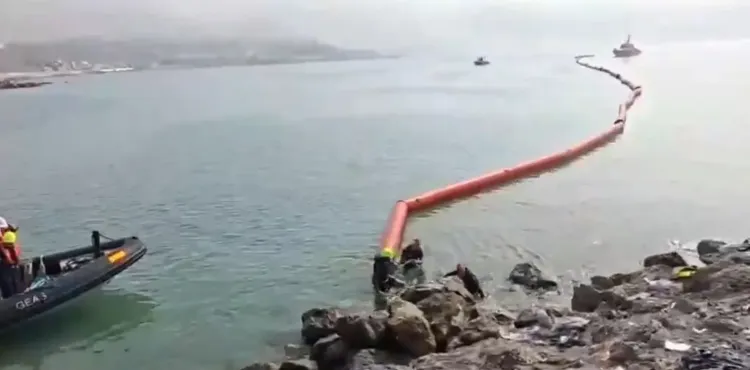
Spain fully deployed a floating sea barrier off Ceuta's Tarajal beach on 2 August to halt irregular sea crossings from Morocco.
The official death toll from the Ceuta migrant crisis has risen to 72 , with 88 bodies currently held in the city's morgue.
Police and military continued street-level security operations on Sunday, detaining migrants ahead of deportation proceedings.
An emergency EU Interior Ministers videoconference has been convened for 4 August , requested by 22 European countries led by Italy and Denmark.
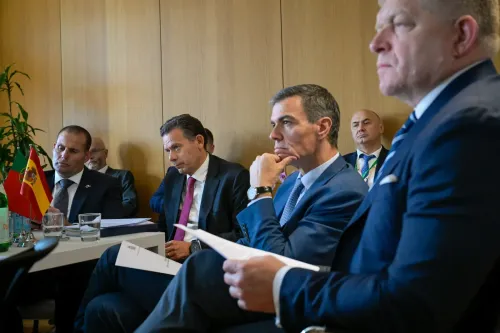
EU Commission President Ursula von der Leyen and Spanish PM Pedro Sanchez both backed the emergency meeting, calling for a united European response.
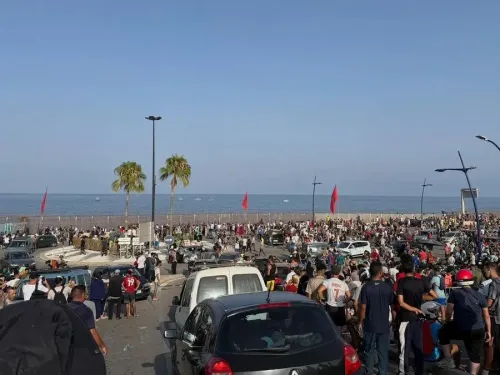
Spain on Sunday, 2 August fully deployed a floating sea barrier along the maritime border of its North African enclave of Ceuta, as authorities intensified border controls following a mass migrant influx from Morocco that has claimed at least 72 lives. The barrier, installed off Ceuta's Tarajal beach, is now fully operational and is designed to prevent irregular sea crossings after tens of thousands of migrants entered the enclave in recent days, many by swimming.
Death Toll and Bodies in the Morgue
Spanish authorities confirmed on Sunday that the official death toll linked to the crisis has risen to 72. The regional government of Ceuta separately disclosed that 88 bodies are currently being held in the city's morgue, with some recovered from the sea more than two weeks after the initial migrant surge. The process of identification remains ongoing.
Security Operations on the Ground
Although the scale of arrivals has subsided, Ceuta has not returned to normal. Police and military personnel continued security operations across the city on Sunday, detaining migrants found on the streets. Those apprehended were taken to police stations for identification before deportation procedures were initiated.
Europe Convenes Emergency Meeting
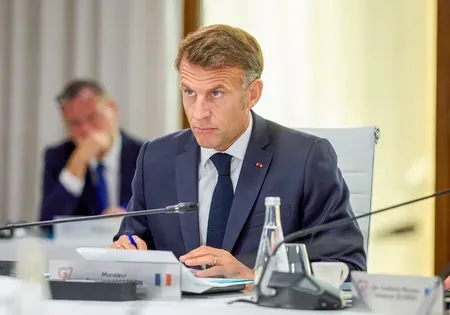
The crisis has prompted an emergency response at the European level. A meeting of European Union (EU) Interior Ministers has been convened for 4 August to address the situation in Ceuta. The meeting was requested through a letter signed by 22 European countries, led by Italy and Denmark, though notably without France and Portugal — the two nations sharing borders with Spain.
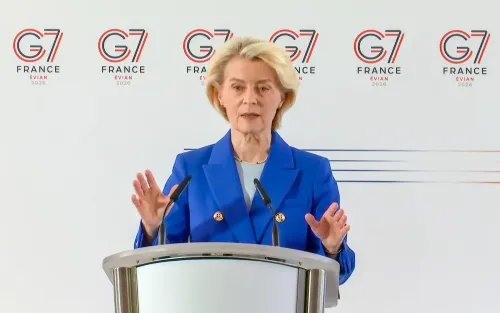
EU Commission President Ursula von der Leyen received the letter from the 22 signatory countries as well as from Spanish Prime Minister Pedro Sanchez, and accepted the request for an emergency videoconference. She reiterated that combating irregular migration demands solidarity and a united European response.
Broader Context and What Comes Next
The migrant surge has emerged as one of the most serious border crises in Spain's recent history, reigniting debate across Europe over migration management and the protection of the EU's external borders. This comes amid longstanding tensions between Spain and Morocco over migration flows through Ceuta, a recurring flashpoint that has repeatedly tested bilateral and EU-level diplomatic frameworks.
With the EU emergency ministerial videoconference scheduled for 4 August and identification of the deceased still underway, the Ceuta crisis is set to remain at the centre of European political attention in the days ahead.
Point of View
But the absence of France and Portugal from the 22-nation letter signals that solidarity frays precisely where geography demands it most. Spain's floating barrier is a tactical measure, not a solution — the same enclave has been a flashpoint repeatedly over the past decade. With 88 bodies in a single city's morgue and identification still pending, the humanitarian accounting has barely begun, and the political reckoning at the 4 August meeting will test whether 'united European response' is a phrase or a policy.
NationPress
17 Sept 2026
Frequently Asked Questions
What is the Ceuta migrant crisis?
The Ceuta migrant crisis refers to a mass influx of migrants from Morocco into Spain's North African enclave of Ceuta, with tens of thousands entering in recent days, many by swimming across the maritime border. It has been described as one of the most serious border crises in Spain's recent history, with an official death toll of 72 as of 2 August.
What is the floating sea barrier Spain deployed at Ceuta?
Spain installed a floating barrier off Ceuta's Tarajal beach to prevent irregular sea crossings from Morocco. The barrier became fully operational on Sunday, 2 August, as part of a broader package of emergency border-control measures.
Why are 88 bodies in Ceuta's morgue if the official death toll is 72?
The regional government of Ceuta has stated that 88 bodies are currently held in the city's morgue, some recovered from the sea more than two weeks after the migrant surge. The official death toll of 72 reflects confirmed identifications; the broader figure includes bodies still undergoing the identification process.
What is the EU doing about the Ceuta crisis?
An emergency meeting of EU Interior Ministers has been convened for 4 August, following a request from 22 European countries led by Italy and Denmark. EU Commission President Ursula von der Leyen accepted the request for an emergency videoconference and called for a united, solidarity-based European response.
Why did France and Portugal not sign the 22-nation letter?
According to reports, France and Portugal — the two EU member states that share a land or maritime border with Spain — did not join the 22-country letter requesting the emergency EU Interior Ministers' meeting. No official reason has been publicly stated by either government.