Ceuta migration crisis: Portugal backs Schengen integrity as death toll hits 34
Synopsis
At least 34 people are dead and 50,000 migrants have crossed into Ceuta in 48 hours — and the fallout is fracturing Europe. Portugal has backed Spain's border stance, France has activated border units, and Italy is demanding Schengen suspensions, turning a humanitarian emergency into a full-blown EU diplomatic crisis.
Key Takeaways
Portugal declared it is following the Ceuta migration crisis 'with great concern' and reaffirmed support for Schengen border integrity on 31 July .
The death toll from sea crossing attempts at El Tarajal breakwater rose to at least 34 by Friday.
Approximately 50,000 migrants entered Ceuta from Morocco within two days.
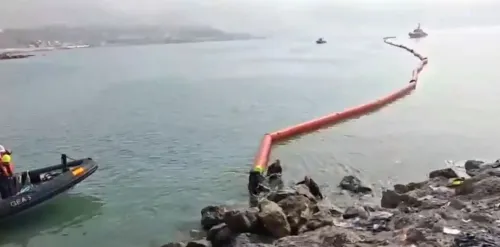
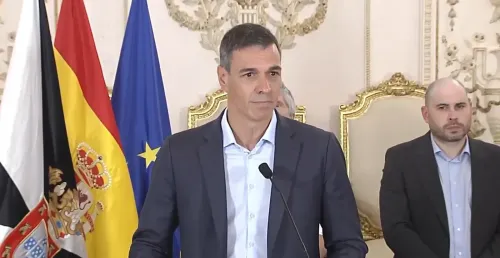
Spanish PM Pedro Sánchez visited Ceuta and announced floating barriers near El Tarajal to halt further crossings.
Italy called for Schengen suspension with Spain; Spain rejected the demand and summoned the Italian ambassador .
France reinforced border checks with Spain and activated a rapid-response border unit.
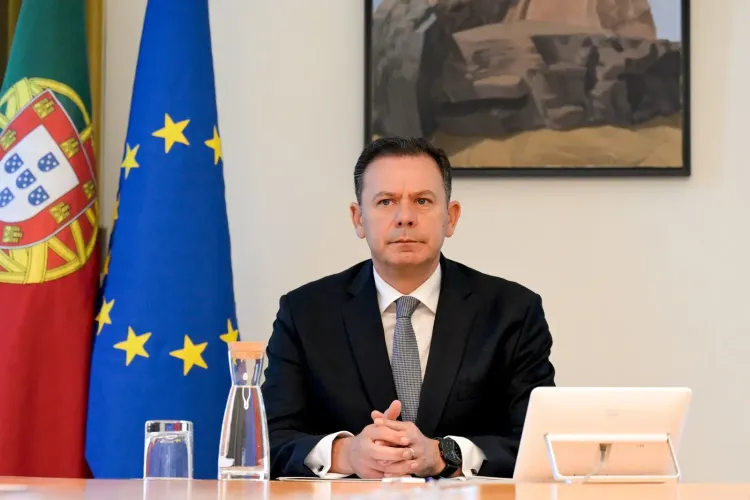
The Portuguese government on Friday, 31 July declared it is monitoring the migration crisis in Spain's North African enclave of Ceuta 'with great concern,' reaffirming its commitment to rigorous border controls as a foundational pillar of the Schengen area's integrity. Lisbon expressed condolences for lives lost and confirmed it has been kept informed by Madrid since the crisis began.
Portugal's Official Position
A statement issued by the office of Portuguese Prime Minister Luís Montenegro underscored Lisbon's firm stance: 'The Portuguese government reaffirms that the integrity of the Schengen system depends on rigorous border controls and a determined fight against all forms of illegal immigration.' Portuguese security forces — including the GNR gendarmerie and the Maritime Police — are reportedly coordinating directly with their Spanish counterparts. Lisbon said it remains in active contact with both the Spanish and Moroccan governments.
Scale of the Crisis
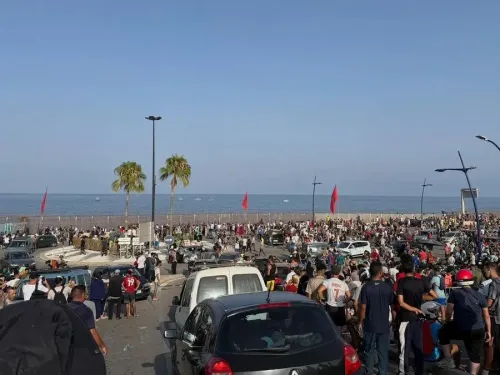
The death toll from the Ceuta crossing attempts climbed to at least 34 by Friday, with most victims having drowned while attempting to swim around the El Tarajal border breakwater separating Morocco from Ceuta, according to Spanish authorities. Separately, around 50,000 migrants entered the enclave from neighbouring Morocco over just the past two days — a surge that has overwhelmed local capacity and drawn emergency responses from across Europe.
Spain's Emergency Response
Spanish Prime Minister Pedro Sánchez travelled to Ceuta on Friday alongside Interior Minister Fernando Grande-Marlaska to assess the situation firsthand. Sánchez described the influx as a violation of Spain's territorial integrity and announced new border security measures, including the installation of floating barriers near the El Tarajal breakwater to prevent further sea crossings. Spain has also given assurances, in coordination with Moroccan authorities, that it will work to reverse the migrant flow that has intensified sharply in recent days.
European Diplomatic Fallout
The crisis has triggered a sharp diplomatic rift within the European Union. Italian Foreign Minister Antonio Tajani called for the suspension of Schengen arrangements with Spain — a demand that Spanish Foreign Minister José Manuel Albares rejected as 'partisan demagoguery,' announcing he would summon the Italian ambassador in Madrid on Friday. Meanwhile, France ordered the immediate reinforcement of checks along its border with Spain and activated a rapid-response border unit for more extensive inspections. This comes amid growing pressure on EU member states to harmonise their responses to irregular migration at the bloc's external frontiers.
What Happens Next
With Portugal, France, and several other Schengen members now publicly signalling alarm, the crisis is poised to escalate into a broader EU-level debate on border policy. The coordination between Spain and Morocco will be closely watched, as will any emergency measures tabled at the European Commission. The human cost — at least 34 dead in two days — is already drawing calls for an urgent humanitarian response alongside the security measures.
Point of View
However politically charged, reflects a real structural tension: the system's open internal borders depend entirely on the reliability of external border states. Spain's decision to install floating barriers is a reactive fix, not a systemic answer. What is conspicuously absent from every government statement — including Portugal's — is any serious discussion of the conditions in Morocco and sub-Saharan Africa driving this movement. Perimeter hardening without addressing root causes has repeatedly failed to produce durable results at Europe's southern frontier.
NationPress
15 Sept 2026
Frequently Asked Questions
What is the Ceuta migration crisis?
The Ceuta migration crisis refers to a sudden and large-scale influx of migrants crossing from Morocco into Ceuta, Spain's North African enclave, with around 50,000 people entering over two days and at least 34 dying in sea crossing attempts as of 31 July.
Why did Portugal issue a statement on the Ceuta crisis?
Portugal issued a statement because the crisis directly implicates the Schengen area's border integrity, of which Portugal is a member. Lisbon confirmed its security forces are coordinating with Spanish counterparts and reaffirmed that rigorous border controls are essential to the Schengen system.
What measures did Spain announce to address the crisis?
Spanish Prime Minister Pedro Sánchez visited Ceuta on Friday and announced the installation of floating barriers near the El Tarajal breakwater to prevent further sea crossings. Spain is also coordinating with Morocco to reverse the migrant flow.
Why did a diplomatic row break out between Italy and Spain?
Italian Foreign Minister Antonio Tajani called for Schengen arrangements with Spain to be suspended in response to the migrant influx. Spanish Foreign Minister José Manuel Albares rejected the demand as 'partisan demagoguery' and announced he would summon the Italian ambassador in Madrid.
How has France responded to the Ceuta crisis?
France ordered immediate reinforcement of border checks along its frontier with Spain and activated a rapid-response border unit to conduct more extensive inspections, signalling concern that migrants could move further into the Schengen zone.