China industrial profit growth slows to 15.1% in June as energy boost fades
Synopsis
China's industrial profit growth decelerated to 15.1% in June — the second straight monthly slowdown — as the energy-cost surge that powered earlier gains begins to fade. With domestic demand still lagging and the Politburo meeting imminent, the question is whether Beijing will act or hold its nerve on stimulus.
Key Takeaways
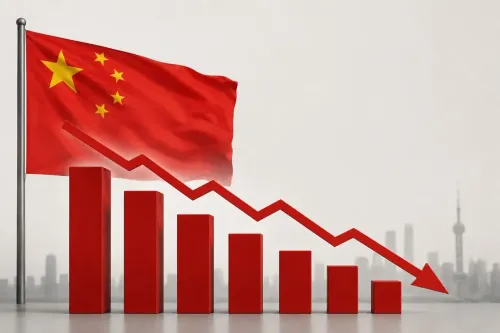
China's industrial profits rose 15.1 per cent year-on-year in June 2026 , down from 21.1 per cent in May — a second consecutive monthly slowdown.
H1 2026 industrial profit growth came in at 18.7 per cent , slightly below the 18.8 per cent recorded for January–May.
The rebound was driven by AI-linked chip and equipment manufacturing , ending nearly three years of factory-gate deflation.
Factory-gate prices rose 3.6 per cent year-on-year in Q2 2026 — the first positive reading since late 2022 — but gains are fading as energy costs ease.
The Communist Party Politburo meeting in late July is expected to signal easing, though economists see low odds of a large stimulus package.
China's industrial profits rose 15.1 per cent year-on-year in June 2026, according to data released by the National Bureau of Statistics (NBS), marking a second consecutive month of deceleration as easing global energy costs eroded the price-driven gains that had fuelled a strong corporate earnings rebound earlier this year.
Two-Month Slowdown After a Strong Run
The June reading follows a 21.1 per cent gain recorded in May, itself the first slowdown since November 2025. For the full first half of 2026 (H1 2026), industrial profits climbed 18.7 per cent, marginally below the 18.8 per cent pace clocked for the January–May period. The deceleration, while modest in isolation, signals that the tailwinds powering China's profit recovery are beginning to moderate.
What Drove the Rebound — and What Is Now Fading
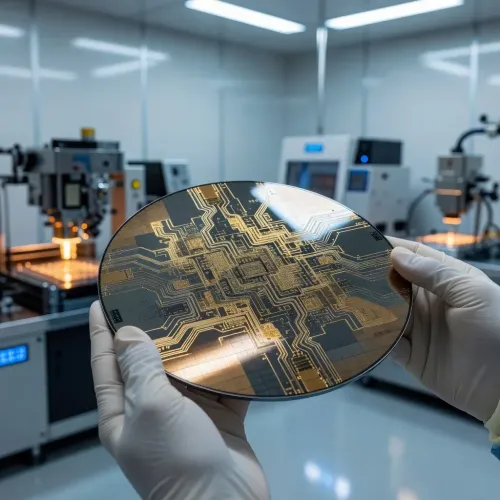
The broader earnings recovery this year has been anchored in a surge in chip and equipment manufacturing, driven by surging global demand for artificial intelligence infrastructure. That structural push helped swing corporate earnings from barely positive growth in 2025 to double-digit gains, and coincided with the end of nearly three years of factory-gate deflation.
Factory-gate prices rose 3.6 per cent year-on-year in the second quarter of 2026, the first positive reading since late 2022. However, experts caution that this reflationary boost was largely energy-cost driven rather than a reflection of robust domestic demand — a distinction that matters for the sustainability of the recovery.
Notably, the year-on-year gains are also flattered by a weak base: industrial profits fell 3.6 per cent in June 2025 and declined 2.8 per cent in the first half of 2025, according to official data.
Domestic Demand Remains the Weak Link
Economists argue that while export resilience and AI-linked manufacturing have provided a strong cyclical lift, domestic consumption continues to lag. The price recovery, concentrated in energy and upstream commodities, has not yet translated into broad-based demand-side strength. This gap between factory-gate reflation and subdued household spending remains a structural vulnerability for China's industrial sector.
All Eyes on the Politburo Meeting
Investors are closely watching the Communist Party's Politburo meeting, typically convened in late July, at which top leadership reviews first-half economic performance and sets policy direction for the remainder of the year. Economists broadly expect Beijing to avoid aggressive stimulus, given resilient exports and an ongoing push to rein in excess industrial capacity. The consensus forecast points to stronger easing language from the Politburo, but with low expectations for a large-scale stimulus package.
How policymakers balance export strength against weakening domestic momentum will likely define China's industrial profit trajectory through the second half of 2026.
Point of View
But consumers are not driving it. Beijing's likely response at the Politburo meeting — measured language without a large stimulus bazooka — reflects a leadership that is balancing export strength against the risk of re-inflating the very capacity glut it is trying to shrink. The AI-manufacturing boom is real, but it is narrow. Whether it broadens into a durable profit cycle depends on whether domestic consumption catches up — and on that front, the data remain unconvincing.
NationPress
27 Oct 2026
Frequently Asked Questions
What does the 15.1% industrial profit growth figure for June 2026 mean for China?
It means Chinese industrial firms earned 15.1 per cent more in June 2026 compared to June 2025, but the pace has slowed from 21.1 per cent in May, marking a second consecutive month of deceleration. The slowdown reflects fading energy-price tailwinds rather than a collapse in underlying demand.
Why is China's industrial profit growth slowing down?
The primary reason is that easing global energy costs are reducing the price gains that had boosted revenues earlier in 2026. Experts also point to lagging domestic demand, which means the factory-gate price recovery has not been broad-based.
What has been driving China's industrial profit rebound in 2026?
The recovery has been led by a surge in chip and equipment manufacturing tied to global artificial intelligence demand. This helped end nearly three years of factory-gate deflation and swung earnings from barely positive growth in 2025 to double-digit gains.
What is the significance of the upcoming Politburo meeting for China's economy?
The Communist Party Politburo typically meets in late July to review first-half performance and set second-half policy direction. Economists expect Beijing to signal further easing in language but are not forecasting a large stimulus package, given resilient exports and an ongoing effort to curb excess industrial capacity.
How does the base effect influence China's industrial profit numbers?
Industrial profits fell 3.6 per cent in June 2025 and declined 2.8 per cent in H1 2025, making year-on-year comparisons in 2026 appear stronger than underlying conditions alone would suggest. As the base normalises, headline growth rates are expected to moderate further.