China skips Mombasa Declaration despite being world's top IUU fishing offender
Synopsis
China — operator of the world's largest distant-water fishing fleet — declined to sign the Mombasa Declaration on fisheries transparency at the Our Ocean Conference, even as a new ADF report names it the world's worst IUU fishing offender. West Africa alone reportedly loses $9.4 billion a year to Chinese illegal fishing. Beijing also allegedly blocked Taiwan from attending the event, a move critics say reveals how China shapes multilateral forums to its advantage.
Key Takeaways
China refused to sign the Mombasa Declaration and the Global Charter for Fisheries Transparency at the Our Ocean Conference .
A report by the Africa Defense Forum (ADF) names China the world's worst IUU fishing offender , operating the largest distant-water fishing fleet globally.
West Africa loses up to $9.4 billion annually to illegal fishing by Chinese vessels.
Kenya, Madagascar, Mozambique, South Africa, and Tanzania lost up to $142.8 million annually between 2015–2021 due to illegal shrimp and tuna fishing, per the WWF .
Taiwanese representatives were allegedly excluded from the Global Charter event due to Chinese diplomatic pressure.
15 countries — including seven African nations, Belgium, Chile, France, and South Korea — signed the declaration.
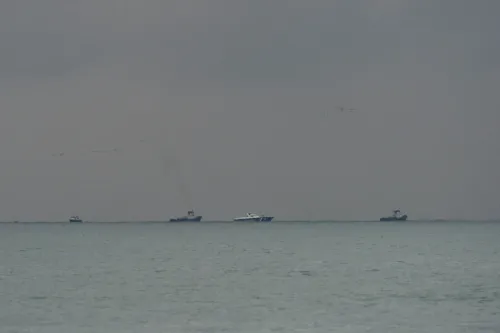
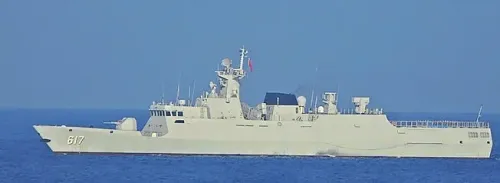
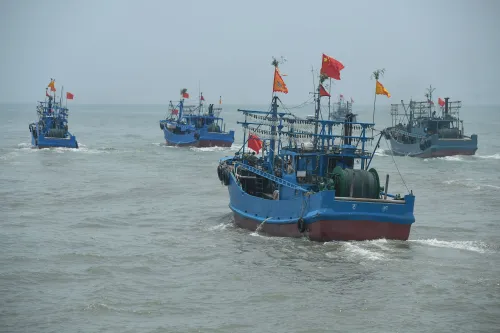
China declined to sign the Mombasa Declaration — a multilateral agreement targeting illegal, unreported, and unregulated (IUU) fishing — at the Our Ocean Conference, according to a new report by the Africa Defense Forum (ADF), which alleges that Beijing is the world's worst offender in illegal fishing. The refusal drew sharp scrutiny given that China commands the world's largest distant-water fishing fleet.
What the Mombasa Declaration Covers
The declaration backs a Global Charter for Fisheries Transparency aimed at modernising vessel registries and mandating the publication of fishing licences, authorisations, access agreements, and quota allocations. Under the charter, all industrial fishing vessels would be required to carry unique vessel identifiers, and data on beneficial ownership would be collected to fix accountability on IUU violators.
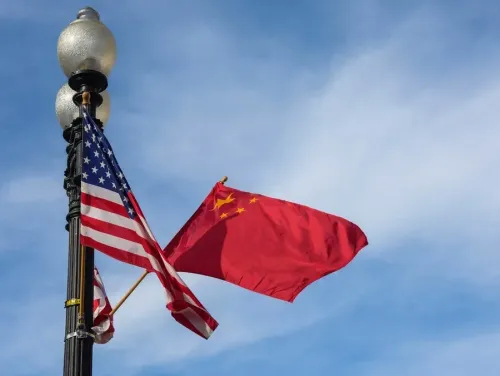
China's refusal to sign the charter — which also seeks to curb bottom trawling and other destructive practices — underscores deepening bilateral tensions over maritime resource governance, according to the ADF report.
Who Signed the Agreement
Seven African nations — Cameroon, the Gambia, Ghana, Guinea, Liberia, the Republic of the Congo, and Somalia — joined the declaration alongside Belgium, Chile, the Dominican Republic, France, Panama, Papua New Guinea, Peru, and South Korea. China was conspicuously absent from the list of signatories.
The Scale of Illegal Fishing Losses
West Africa loses up to $9.4 billion annually to illegal fishing by Chinese vessels, according to the ADF report. A separate assessment by the World Wildlife Fund (WWF) found that Kenya, Madagascar, Mozambique, South Africa, and Tanzania collectively lost up to $142.8 million annually between 2015 and 2021 due to illegal shrimp and tuna fishing.
Emelia Arthur, Ghana's fisheries minister, underlined the human cost at the conference. 'Over 60 per cent of our animal protein comes from fish, and 10 per cent of our population depends on the fisheries value chain for livelihood,' Arthur said, stressing that the survival of entire households in Ghana hinges on fish stocks.
Violations and Tactics Attributed to Chinese Vessels
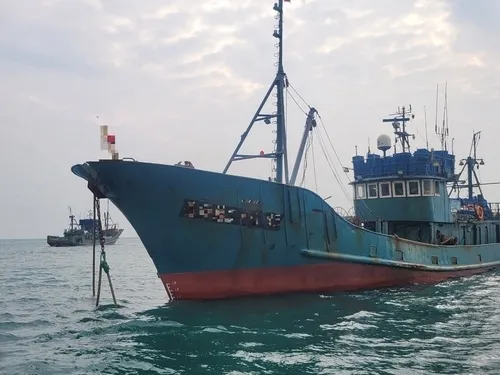
The ADF report alleges that Chinese fishing vessels engage in a range of violations, most notably bottom trawling — dragging nets along the sea floor to indiscriminately collect marine life. The practice kills juvenile fish, depletes fish stocks, and destroys marine ecosystems. Critics argue that the scale and frequency of these operations amount to systematic resource extraction from sovereign waters.
Taiwan Exclusion and Diplomatic Pressure
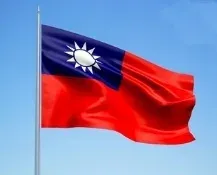
The report further alleged that Taiwanese representatives were barred from attending the Global Charter event due to pressure exerted by Beijing. China, it noted, prohibits its diplomatic partners from maintaining formal ties with Taiwan and reportedly holds considerable leverage over Kenya — particularly through debt obligations tied to the Chinese-built Standard Gauge Railway. The exclusion, critics argue, illustrates how Beijing uses economic and diplomatic leverage to shape multilateral forums beyond its own participation.
With China declining to join the transparency framework, enforcement advocates warn that the charter's impact will remain limited without the participation of the fleet responsible for the largest share of alleged violations.
Point of View
Yet Beijing faces no binding international consequence for it. The alleged exclusion of Taiwan from the conference is equally telling: China appears willing to use debt leverage over African nations to control the terms of multilateral forums it does not wish to join. Until major fishing nations — or their creditors — impose costs on non-participation, declarations like Mombasa risk becoming paper commitments that protect signatories' reputations more than their fish stocks.
NationPress
13 Sept 2026
Frequently Asked Questions
What is the Mombasa Declaration on IUU fishing?
The Mombasa Declaration is a multilateral agreement signed at the Our Ocean Conference that supports the Global Charter for Fisheries Transparency, requiring countries to modernise vessel registries, publish fishing licences and quota allocations, and assign unique identifiers to all industrial fishing vessels. It aims to curb illegal, unreported, and unregulated (IUU) fishing globally.
Why did China refuse to sign the Mombasa Declaration?
China has not publicly stated its reasons for declining to sign. The ADF report suggests the refusal is consistent with Beijing's broader resistance to external scrutiny of its distant-water fishing fleet, which is alleged to be the world's largest and most prolific in IUU violations.
How much does illegal fishing by Chinese vessels cost Africa?
West Africa alone loses up to $9.4 billion annually to illegal fishing attributed to Chinese vessels, according to the ADF report. Separately, the World Wildlife Fund estimated that Kenya, Madagascar, Mozambique, South Africa, and Tanzania lost up to $142.8 million annually between 2015 and 2021 from illegal shrimp and tuna fishing.
Which countries signed the Mombasa Declaration?
Fifteen countries signed, including seven African nations — Cameroon, the Gambia, Ghana, Guinea, Liberia, the Republic of the Congo, and Somalia — as well as Belgium, Chile, the Dominican Republic, France, Panama, Papua New Guinea, Peru, and South Korea.
Why were Taiwanese representatives excluded from the Global Charter event?
According to the ADF report, Taiwanese representatives were not permitted to attend due to pressure from China, which prohibits its diplomatic partners from maintaining formal ties with Taiwan. The report notes that Beijing holds significant leverage over Kenya, partly through debt linked to the Chinese-built Standard Gauge Railway.