CIA chief Ratcliffe visits Moscow in Trump's push to end Ukraine War
Synopsis
CIA Director John Ratcliffe's quiet trip to Moscow — the first of his tenure — is the clearest signal yet that Trump's push to end the Ukraine War has moved from campaign rhetoric to active intelligence-level diplomacy. With both sides publicly downplaying the visit while confirming it happened, the gap between what was said and what was discussed may be where the real story lies.
Key Takeaways
CIA Director John Ratcliffe made his first visit to Moscow as CIA chief, confirmed by both the White House and the Kremlin on 26 August .
President Trump said the visit was part of efforts to end the Ukraine War , describing it as 'semi-routine.' Ratcliffe met Russian intelligence officials but did not hold talks with President Vladimir Putin , according to Kremlin spokesperson Dmitry Peskov .
The visit was initially secret, exposed by media reports tracking US military flight data and diplomatic motorcades in Moscow.
Ukraine is reportedly facing shortages of anti-missile defence equipment as Russia escalates strikes on civilian targets.
The trip coincided with a US Treasury warning against countries doing business with Iran , a close Russian partner.
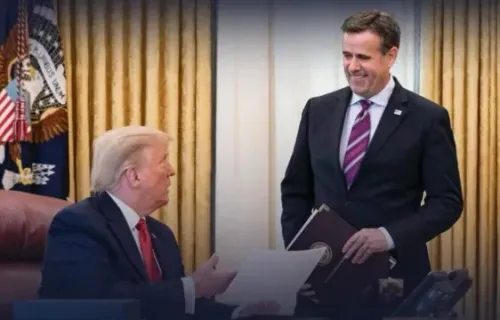
CIA Director John Ratcliffe made a closely guarded visit to Moscow, with President Donald Trump hinting on Wednesday, 26 August that the trip was part of Washington's ongoing effort to bring the Ukraine War to a close. The visit — the first by Ratcliffe as CIA chief to Russia — was initially kept under wraps by the US before being broken by media reports citing flight data and diplomatic motorcade sightings in the Russian capital.
What Trump Said
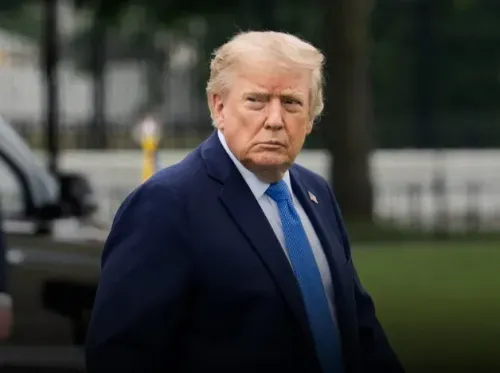
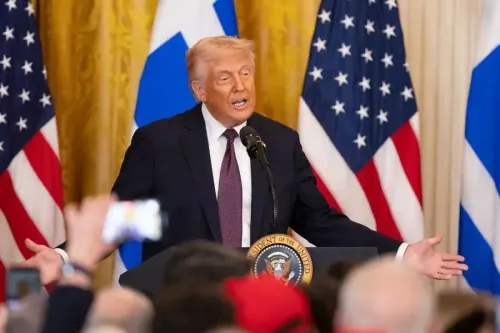
Speaking in an interview with conservative commentator Glenn Beck, Trump offered a measured but telling explanation. 'We're working very hard to get that war ended, and frankly, they both want to see it ended at this point,' he said. He added that something might come of the visit, while simultaneously downplaying its broader significance.
When asked whether the visit was linked to NATO discussions or threatened Iran-related sanctions, Trump said: 'None of the above. He's there, you know, very sort of semi-routine. I hate to disappoint people.'
Moscow's Confirmation and Caveats
Russian President Vladimir Putin's spokesperson Dmitry Peskov confirmed the visit but was careful to limit expectations. He told reporters that Ratcliffe did not meet President Putin directly, and instead held talks with Russian intelligence officials. 'All I can tell you is that there have been contacts via the security services,' Peskov said.
Peskov also sought to contextualise the engagement: 'These contacts often continue even during the most difficult periods in bilateral relations.' He cautioned, however, that 'it is still too early to say to what extent this will, overall, help to steer our bilateral relations out of the profound crisis in which they currently find themselves.'
Ukraine War Backdrop
The visit comes as the Ukraine War has entered a sharper phase of escalation, with Russia reportedly intensifying strikes on civilian targets. Ukraine, according to reports, is facing growing shortages of anti-missile defence equipment — a vulnerability that has emerged even as Kyiv had appeared to make some battlefield headway in recent months. This is the fourth year of the conflict, which Trump had pledged during his election campaign to resolve within a single day of taking office.
The Iran Dimension
Adding another layer to the diplomatic moment, US Treasury Secretary Scott Bessent issued a pointed warning on the eve of Ratcliffe's Moscow visit, cautioning countries doing business with Iran that they would face 'serious consequences.' Trump had previously threatened what he called an 'Economic D-Day' against Iran. Notably, Russia maintains significant economic and strategic ties with Iran, and some reports have suggested Moscow has provided Tehran with intelligence support — an allegation Trump has denied.
What Comes Next
The Ratcliffe visit signals that back-channel intelligence-level contacts between Washington and Moscow remain active, even as formal diplomatic relations stay strained. Whether these talks translate into any tangible ceasefire framework — or remain exploratory — is, as Peskov acknowledged, still unclear. Observers will watch closely for any follow-up signals from either side in the coming days.
Point of View
That is a significant geopolitical trade-off that has not been surfaced publicly.
NationPress
11 Oct 2026
Frequently Asked Questions
Why did CIA Director John Ratcliffe visit Moscow?
Ratcliffe visited Moscow as part of President Trump's effort to end the Ukraine War, according to Trump himself. The CIA chief met Russian intelligence officials, though the specific agenda of the talks was not disclosed by either side.
Did Ratcliffe meet Vladimir Putin during the Moscow visit?
No. Kremlin spokesperson Dmitry Peskov confirmed that Ratcliffe did not meet President Putin. The CIA director held discussions with Russian intelligence officials instead.
How was the secret Moscow visit revealed?
The visit was exposed by US media reports based on flight tracking data showing an American military aircraft travelling from the US via Latvia to Moscow, along with sightings of diplomatic motorcades in the Russian capital.
What is the current state of the Ukraine War?
The conflict has entered a more intense phase, with Russia reportedly stepping up strikes on civilian targets. Ukraine is said to be facing shortages of anti-missile defence equipment, increasing its vulnerability despite earlier battlefield gains.
What is the connection between the Ratcliffe visit and Iran sanctions?
On the eve of Ratcliffe's Moscow trip, US Treasury Secretary Scott Bessent warned nations doing business with Iran of serious consequences. Russia has significant ties to Iran, and some reports suggest Moscow has provided Tehran with intelligence — an allegation Trump has denied, though the timing of both developments has drawn attention.