CIVICUS Calls for an End to the Suppression of Activists and Journalists in Pakistan
Synopsis
CIVICUS has issued a compelling call to action for Prime Minister Shehbaz Sharif to cease the ongoing persecution of activists and journalists, highlighting the urgent need for the protection of civil rights in Pakistan amidst rising repression.
Key Takeaways
CIVICUS demands an end to the harassment of activists and journalists in Pakistan.
The Sharif-led government is criticized for failing to protect civil liberties.
Numerous human rights defenders have faced intimidation and persecution.
New laws are being used to suppress peaceful assembly and dissent.
International obligations under the ICCPR are being compromised.
Johannesburg, April 1 (NationPress) CIVICUS, a worldwide civil society alliance, has urged Pakistani Prime Minister Shehbaz Sharif to halt the ongoing persecution of activists and journalists, as well as the suppression of protests throughout Pakistan.
The organization stated that over two years have passed since the Sharif-led coalition took office, yet Islamabad has not succeeded in fostering a conducive environment for citizens and civil society to freely exercise their rights.
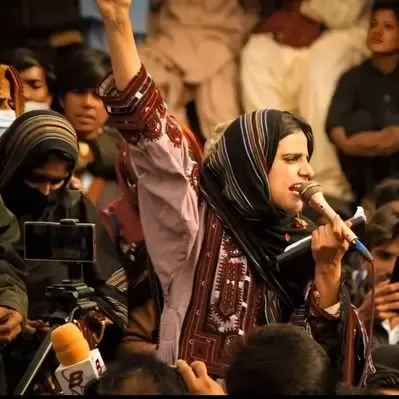
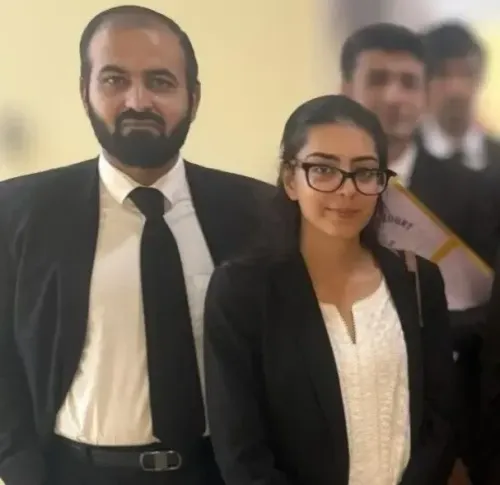
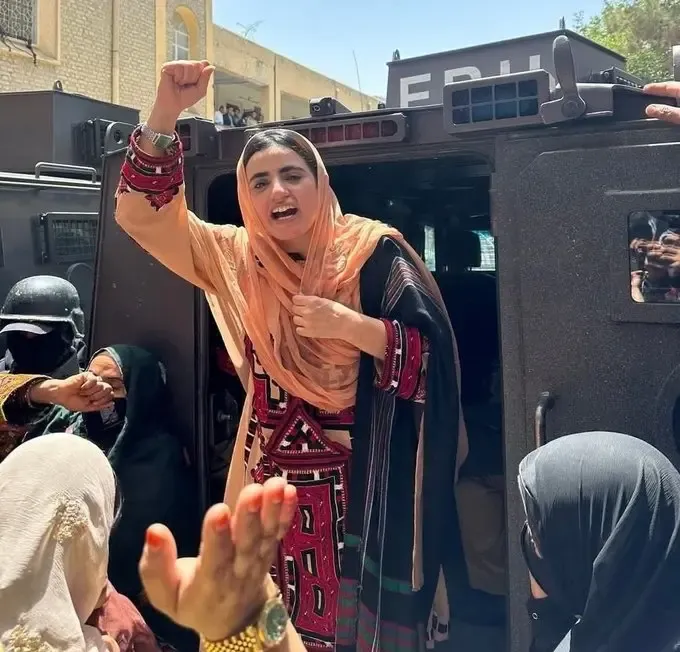
During this period, CIVICUS reported extensive instances of intimidation, harassment, and persecution of human rights advocates across the nation, including prominent figures such as Asad Iqbal Butt, chairperson of the Human Rights Commission of Pakistan (HRCP), lawyer Imaan Zainab Mazari, and chief organizer of the Baloch Yakjehti Committee (BYC), Mahrang Baloch.
Many individuals have been targeted under laws concerning criminal defamation, counter-terrorism, and sedition, leading to a significant “chilling effect” on activism within Pakistan.
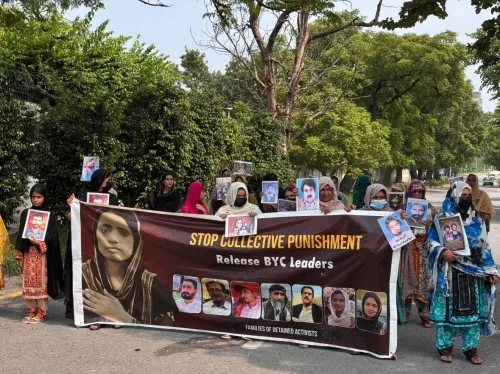
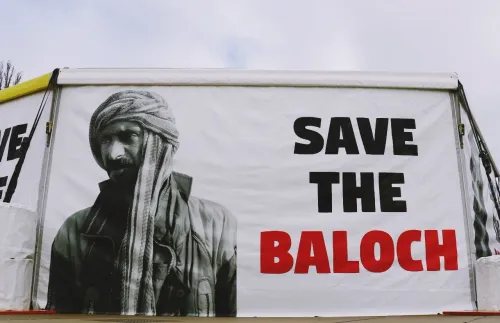
Expressing grave concern, the organization pointed to the “relentless and systematic crackdown” on ethnic Baloch and Pashtun activists who have mobilized thousands to demand accountability, justice, and an end to enforced disappearances.
"Since taking office, the Shehbaz Sharif government has intensified its oppression of activists, targeting those who advocate for human rights and silencing dissenting voices. This crackdown on freedoms must cease. The government must alter its course to safeguard the rights of activists and permit them to operate without fear, interference, or retaliation,” stated Josef Benedict, Asia researcher for CIVICUS.
Referring to a report by the CIVICUS Monitor, the organization noted that such actions violate Pakistan’s human rights commitments under the International Covenant on Civil and Political Rights (ICCPR), which was ratified in 2010.
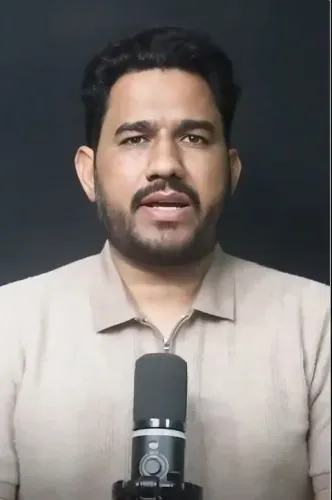
CIVICUS also expressed alarm over the arrests, harassment, and assaults on Pakistani journalists such as Imran Riaz Khan, Matiullah Jan, and Hamid Mir.
The group highlighted concerns raised by the UN Human Rights Committee regarding the increasing coercion and censorship of media outlets that criticize the government, intelligence agencies, and military, including the closure and suspension of licences for television channels, particularly by the Pakistan Electronic Media Regulatory Authority.
Additionally, it pointed to the rising digital restrictions facilitated by Pakistan’s Prevention of Electronic Crimes Act (PECA), which has been employed to target and arrest online activists.
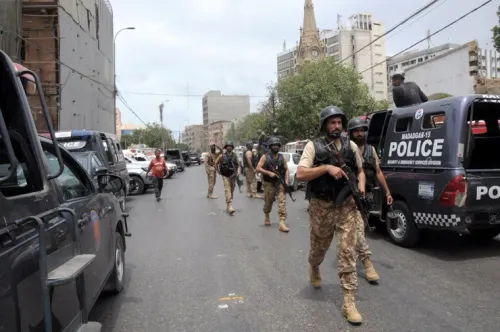
According to CIVICUS, Pakistani authorities have enacted restrictive laws to suppress the right to peaceful assembly, while imposing sweeping bans on gatherings deemed unfavorable to the government.
This has resulted in the prolonged detention of protesters, including activists, human rights defenders, members of ethnic and religious minorities, and political adversaries.
“Authorities must revise or repeal all laws to ensure they align with the government’s obligation to guarantee freedoms of expression and peaceful assembly under the ICCPR. They must also respect the right to protest and ensure accountability for any excessive force or firearms used,” said Benedict, emphasizing the increasing repression by Pakistani authorities.
Point of View
It's essential to recognize the gravity of the situation in Pakistan, where the ongoing suppression of activists and journalists not only undermines democratic principles but also poses a significant threat to the fundamental rights of its citizens. The pressing need for accountability and justice cannot be overstated, as it reflects on the nation's commitment to upholding human rights.
NationPress
15 Oct 2026
Frequently Asked Questions
Why is CIVICUS urging action in Pakistan?
CIVICUS is calling for action due to the ongoing harassment of activists and journalists, which threatens fundamental rights and freedoms in Pakistan.
Who are some of the activists mentioned by CIVICUS?
Some activists include Asad Iqbal Butt, Imaan Zainab Mazari, and Mahrang Baloch, all of whom have faced persecution.
What laws are being used to target activists in Pakistan?
Activists are often targeted under laws related to criminal defamation, counter-terrorism, and sedition.