Counterfeit Medications and Emerging Chemicals Escalate US Drug Crisis

Synopsis
The escalating crisis of counterfeit pills and new synthetic drugs poses urgent challenges to public health and law enforcement in the U.S. This evolving threat has prompted Congress to consider new legislative measures aimed at addressing these dangers.
Key Takeaways
Counterfeit pills pose a significant danger due to their unpredictable content.
New synthetic drugs complicate overdose responses and enhance risks.
Legislative measures are being proposed to combat illicit drug flows.
Public health experts caution against hasty scheduling of substances.
Continued support for addiction treatment is essential to maintain progress in reducing fatalities.
Washington, March 27 (NationPress) The rise of counterfeit prescription pills and newly developed synthetic substances is exacerbating the drug crisis, officials informed members of the US Congress, highlighting the rapid evolution of this threat.
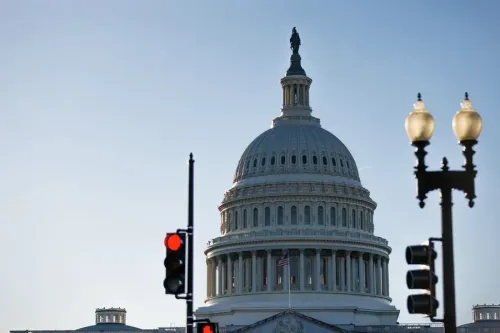
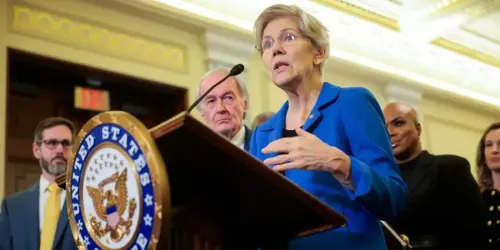
During a House Energy and Commerce subcommittee session, lawmakers discussed a set of 14 proposed bills designed to combat illegal drug trafficking, enhance regulations on emerging substances, and improve access to treatment.
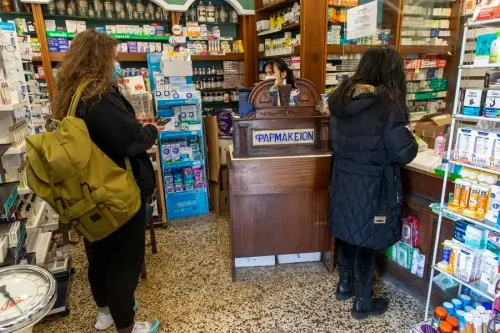
Experts illustrated a drug environment that has undergone a dramatic shift from conventional narcotics to extremely potent synthetic combinations, often manufactured in secret laboratories and masquerading as legitimate medications.
“The most pressing danger today is counterfeit prescription pills,” stated Scott Oulton, former forensic chief of the Drug Enforcement Administration. He noted that these pills are mass-produced by criminal organizations with “no quality control or consistency,” even if they appear identical.
Two pills that look alike “can contain drastically different quantities of lethal drugs such as fentanyl, nitazenes, and xylazine,” he added, pointing to the unpredictability that has led to fatal overdoses.
Law enforcement authorities indicated that the risk is heightened by the increasing variety of substances in the drug supply. Dennis Lemma, sheriff of Seminole County, Florida, remarked that today’s drugs are “more potent, unpredictable, and deceptive” than in previous years.
Many users, he noted, mistakenly believe they are consuming a genuine prescription drug, only to end up ingesting substances contaminated with fentanyl or other synthetic drugs. “A single dose can be fatal” in certain situations, he cautioned.
A growing concern is xylazine, a veterinary sedative that is increasingly being mixed with opioids. Since it is not an opioid, naloxone—commonly used to reverse overdoses—“does not counteract its effects,” complicating emergency interventions.
Another substance drawing attention is a synthetic drug known as 7OH, which Lemma indicated is being marketed as a natural product, despite its significant potential for addiction and overdose.
Lawmakers contended that stronger enforcement measures are essential to keep up with these developments. Proposed legislation aims to categorize substances like xylazine and nitazenes under the Controlled Substances Act.
However, some public health experts cautioned against hasty actions, warning that aggressive scheduling of substances might lead to unintended outcomes. Nabarun Dasgupta, a researcher at the University of North Carolina, noted that restricting one drug can rapidly result in the emergence of another. Recent data showed that xylazine has been quickly supplanted in some regions by a similar compound, medetomidine.
“The wrong scheduling can exacerbate a bad situation,” he remarked, citing instances where new substances introduced different and sometimes more severe health risks.
Health officials also emphasized the need to maintain the progress made in reducing overdose fatalities. Yngvild Olsen, a former federal addiction official, stated that overdose deaths have decreased in recent years, but warned that this progress could be reversed without ongoing support for treatment.
“Congress must work to sustain this momentum and avoid regressing,” she emphasized, highlighting that medications like methadone and buprenorphine significantly lower the risk of fatal overdoses.
The hearing revealed a broader divide in strategy. Some lawmakers focused on criminal enforcement and supply-side controls, while others advocated for enhanced treatment, harm reduction, and stable funding for public health initiatives.
Witnesses concurred on one issue: the rapid changes in the drug market are outpacing current systems. Oulton stated that new tools, such as wastewater testing, can deliver near-real-time data on drug use trends and assist authorities in responding more swiftly.
The opioid crisis in the United States has evolved over two decades, transitioning from prescription painkillers to heroin and now to synthetic opioids like fentanyl. The emergence of counterfeit pills and novel chemical compounds signals a more complex and unpredictable phase.
While overdose deaths have begun to decline from the heights reached during the pandemic, officials cautioned that the rise of new synthetic drugs—often more potent and difficult to detect—remains a significant challenge for both law enforcement and public health systems.
Point of View
It is evident that the drug crisis in the U.S. is rapidly changing, driven by counterfeit medications and synthetic compounds. This situation requires a balanced approach that addresses both enforcement and public health needs to effectively combat the evolving challenges.
NationPress
8 Oct 2026
Frequently Asked Questions
What are counterfeit prescription pills?
Counterfeit prescription pills are fake medications that are produced to look like legitimate drugs but may contain dangerous and unpredictable substances.
Why are synthetic drugs a concern?
Synthetic drugs are concerning because they can be more potent and unpredictable than traditional narcotics, leading to increased risks of overdose.
How is Congress responding to the drug crisis?
Congress is reviewing a package of bills aimed at tightening controls on new substances and improving access to treatment for those affected by drug addiction.
What impact do counterfeit pills have on public health?
Counterfeit pills contribute to rising overdose deaths as users often unknowingly ingest lethal substances like fentanyl.