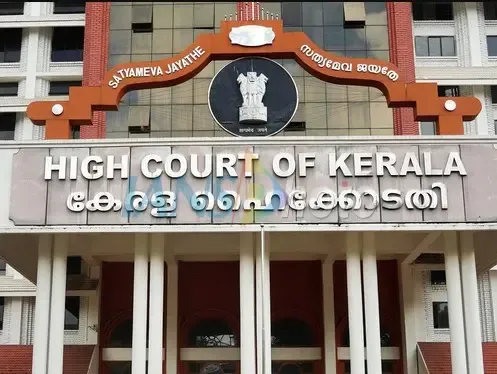
South Africa court halts Ramaphosa impeachment over Phala Phala case
Synopsis
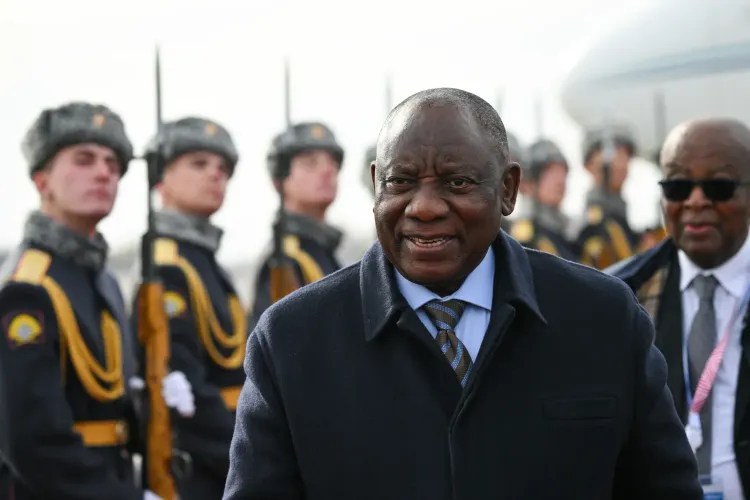
A South African court has temporarily frozen President Cyril Ramaphosa's impeachment proceedings over the Phala Phala cash scandal — buying him crucial weeks before a September hearing decides whether the independent panel's damning findings stand. The ruling keeps a presidency under legal siege in a holding pattern, with the real verdict still to come.
Key Takeaways
The Western Cape High Court on 24 July granted President Cyril Ramaphosa an interim interdict halting Parliament's impeachment committee.
The Phala Phala case involves the alleged theft of approximately $580,000 from Ramaphosa's Limpopo game farm in 2020 .
An independent panel chaired by former Chief Justice Sandile Ngcobo found prima facie evidence of serious misconduct in 2022 .
The Constitutional Court ruled in May that Parliament acted unlawfully in rejecting the panel's report, forcing the impeachment process to restart.
The substantive review hearing is scheduled for 2 to 4 September ; Friday's ruling does not decide the merits.
Parliament Speaker Thokozile Didiza had said she would not oppose Ramaphosa's urgent application.
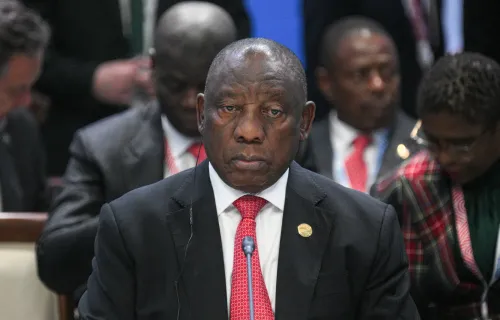
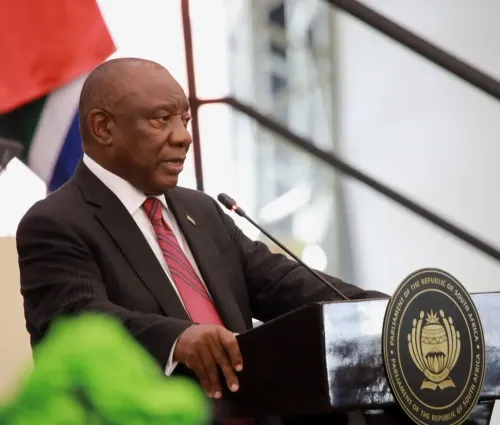
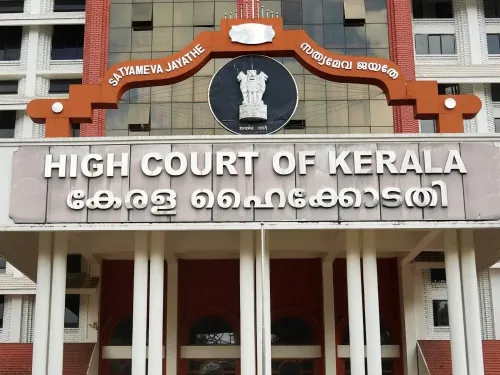
The Western Cape High Court on Friday, 24 July granted South African President Cyril Ramaphosa an interim interdict, temporarily blocking Parliament's impeachment committee from proceeding with its inquiry into his conduct in the Phala Phala scandal. The ruling delivers a significant short-term reprieve to Ramaphosa as he pursues a parallel legal challenge to the independent panel report that triggered the impeachment process.
What the Court Ruled
In a majority judgment, the Western Cape High Court halted the parliamentary Impeachment Committee's work until Ramaphosa's review application against the independent panel's findings is decided. The court made clear that Friday's ruling does not adjudicate the merits of that review — those proceedings are scheduled to be heard separately from 2 to 4 September.
Ramaphosa had filed an urgent application on 12 June, seeking to suspend the committee's inquiry while his challenge to the panel report remained pending. The court's majority agreed that the process should pause in the interim.
Background: The Phala Phala Affair
The Phala Phala case centres on the alleged theft of approximately $580,000 in cash from Ramaphosa's private game farm in Limpopo Province in 2020. The incident raised questions about whether the funds had been properly declared to the relevant authorities, and whether Ramaphosa's handling of the matter amounted to serious misconduct.
An independent panel, chaired by former Chief Justice Sandile Ngcobo, concluded in its 2022 report that there was prima facie evidence that Ramaphosa may have committed serious misconduct in connection with the theft. The National Assembly, however, voted against adopting the panel's report at the time, effectively shelving the matter.
How the Impeachment Was Revived
The case returned to the fore after South Africa's Constitutional Court ruled in May that Parliament had acted unlawfully when it rejected the panel's report in 2022. That ruling forced the legislature to reopen the impeachment process, prompting Ramaphosa to mount his legal challenges on two fronts — first, a review of the panel's findings filed on 26 May, and second, the urgent application to freeze the committee's work while that review is pending.
Notably, Parliament Speaker Thokozile Didiza had indicated last month that she would not oppose Ramaphosa's urgent bid to halt proceedings — a stance that may have shaped the committee's legal posture ahead of Friday's ruling.
What Happens Next
The interim interdict holds until the review application is decided. With the substantive hearing set for 2 to 4 September, the impeachment committee remains suspended for at least the coming weeks. Should the court ultimately set aside the panel's findings, the impeachment process could be permanently derailed. If the review fails, the committee would be free to resume its inquiry — potentially placing Ramaphosa's presidency under renewed pressure heading into South Africa's next political cycle.
Point of View
Not a vindication — and that distinction matters. Ramaphosa has successfully slowed the machinery of accountability, but the underlying prima facie finding by a panel chaired by a former Chief Justice remains on the record. The Constitutional Court has already ruled that Parliament overstepped in 2022 by burying that report; the same court is unlikely to look kindly on further procedural evasion if the September review fails. South Africa's democratic institutions are being stress-tested: the presidency is using the judiciary to pause a parliamentary process that the judiciary itself ordered restarted. The September hearing will reveal whether that manoeuvre was a legitimate legal remedy or a delay tactic — and the answer will define Ramaphosa's political legacy as much as any election result.
NationPress
23 Oct 2026
Frequently Asked Questions
Why did the South African court halt Ramaphosa's impeachment proceedings?
The Western Cape High Court granted an interim interdict on 24 July, pausing the parliamentary Impeachment Committee's work while Ramaphosa's legal challenge to the independent panel's findings remains unresolved. The court did not rule on the merits of the case — that hearing is set for 2 to 4 September.
What is the Phala Phala case about?
The Phala Phala case involves the alleged theft of approximately $580,000 in cash from President Ramaphosa's private game farm in Limpopo Province in 2020. It raised questions about whether the money was properly declared to authorities and whether Ramaphosa's handling of the incident constituted serious misconduct.
What did the independent panel find against Ramaphosa?
The independent panel, chaired by former Chief Justice Sandile Ngcobo, concluded in its 2022 report that there was prima facie evidence that Ramaphosa may have committed serious misconduct in connection with the Phala Phala theft. The National Assembly initially voted against adopting the report, but the Constitutional Court later ruled that vote unlawful.
How was the impeachment process revived?
South Africa's Constitutional Court ruled in May that Parliament acted unlawfully when it voted against adopting the independent panel's report in 2022. That ruling forced Parliament to restart the impeachment inquiry, prompting Ramaphosa to file fresh legal challenges.
What happens next in the Ramaphosa impeachment case?
The interim interdict remains in place until Ramaphosa's review application is decided. The substantive hearing is scheduled for 2 to 4 September. If the court sets aside the panel's findings, the impeachment process could end; if the review fails, the parliamentary committee would be free to resume its inquiry.