Croatia wildfire injures 19, forces 1,000 to evacuate near Omis
Synopsis
A fast-moving wildfire near the Croatian coastal town of Omis has burned up to 1,000 hectares, injured 19 people, and forced 1,000 residents to flee overnight — all against the backdrop of Croatia's worst recorded heatwave, with Split hitting an all-time high of 39.7°C just days earlier. Open-air fires this season are already 13% above last year's pace.
Key Takeaways
A wildfire near Lokva Rogoznica , close to Omis in Split-Dalmatia County , broke out at 8:21 pm local time on Thursday, 14 August .
19 people were injured and approximately 1,000 residents were evacuated overnight.
Up to 1,000 hectares of land burned; several houses and numerous vehicles were destroyed.
286 firefighters and 93 fire engines were battling the blaze by Friday morning, with multi-county reinforcements deployed.
Split recorded Croatia's highest-ever temperature of 39.7°C on Wednesday, surpassing the previous record of 39.5°C set on 30 June 2025 .
Croatia's open-air fire count this season is approximately 13% higher than the same period last year.
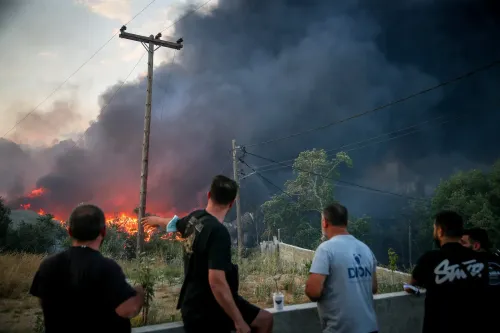
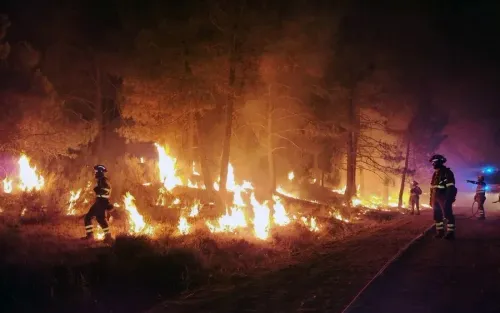
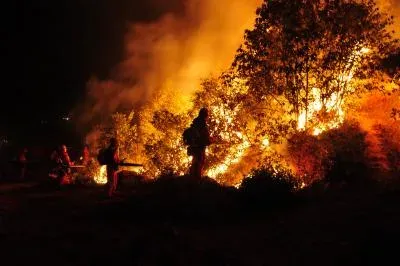
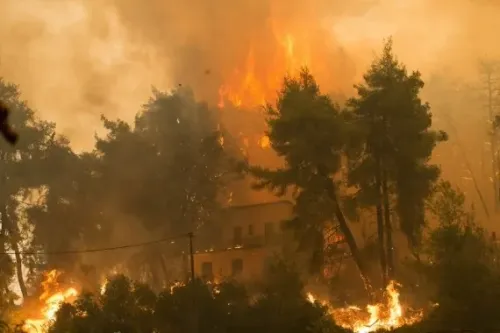
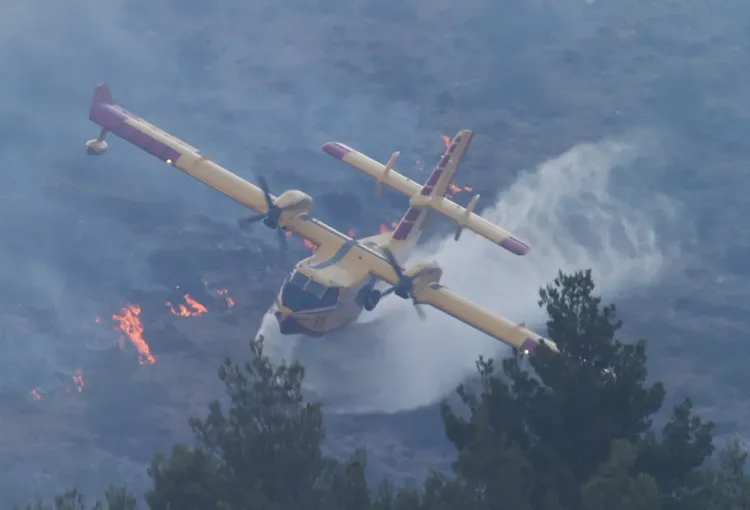
A massive wildfire that erupted on the Adriatic coast of southern Croatia on the evening of Thursday, 14 August has injured 19 people and forced the evacuation of around 1,000 residents from Split-Dalmatia County, according to the Croatian Firefighters Association. The blaze, which broke out near Lokva Rogoznica close to the coastal town of Omis, rapidly consumed grass, low vegetation, and pine forest before advancing into residential zones.
How the Fire Spread
The wildfire ignited at approximately 8:21 pm local time on Thursday and moved swiftly overnight into the upper parts of Omis, directly threatening houses and vehicles, according to Viseslav Pesic, commander of the Omis Voluntary Fire Department. Several houses and numerous vehicles were destroyed, and up to 1,000 hectares of land burned in the vicinity, said Slavko Tucakovic, Croatia's chief fire commander. Several coastal roads were also closed, disrupting traffic along the Adriatic route.
Evacuation and Firefighting Response
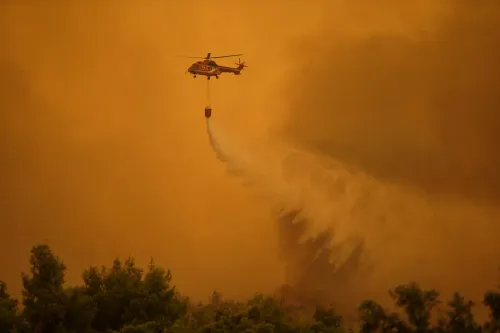
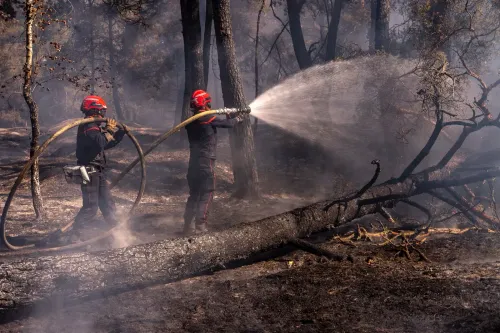
Local authorities evacuated roughly 1,000 people overnight, with Omis Mayor Zvonko Mocic warning that further evacuations are expected across affected areas. By Friday morning, 286 firefighters and 93 fire engines were deployed to battle the blaze, with reinforcements drawn from multiple counties across the country.
Climate Context: Heatwave and Record Temperatures
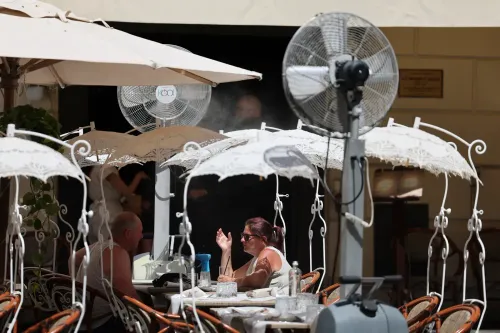
The wildfire comes amid a prolonged summer heatwave and severe drought gripping Croatia. On Wednesday, the city of Split — Croatia's second-largest — recorded its highest-ever air temperature of 39.7 degrees Celsius at 2 pm local time, surpassing the previous record of 39.5 degrees Celsius set as recently as 30 June this year, according to the Croatian Meteorological and Hydrological Service. Weeks of extreme heat have left vegetation tinder-dry, sharply raising wildfire risk along the Adriatic coast.
Wider Environmental Strain
The crisis extends beyond fire. In eastern Croatia, rivers including the Danube and Drava have dropped to their lowest levels due to scarce rainfall and reduced snowmelt from the Alps, disrupting cargo shipping. According to the Croatian Firefighting Association, the number of open-air fires recorded this season is approximately 13 per cent higher than during the same period last year — a trend consistent with worsening climate conditions across the Mediterranean region. Authorities have not yet indicated when the blaze near Omis will be fully contained, and the situation remains active.
Point of View
Open-air fires are running 13% ahead of last year, and the Danube and Drava are at historic lows. The Adriatic coast's economic lifeline is tourism, and a coastline that burns annually is a coastline that eventually stops attracting visitors. European climate adaptation funding exists, but the gap between policy commitment and on-the-ground firebreak infrastructure remains dangerously wide.
NationPress
28 Sept 2026
Frequently Asked Questions
Where did the Croatia wildfire break out and when?
The wildfire broke out near Lokva Rogoznica, close to the coastal town of Omis in Split-Dalmatia County, at approximately 8:21 pm local time on Thursday, 14 August. It spread overnight through grass, low vegetation, and pine forest before reaching residential areas.
How many people were injured or evacuated in the Omis wildfire?
Nineteen people were injured in the wildfire, according to the Croatian Firefighters Association. Around 1,000 residents were evacuated from affected areas overnight, with Omis Mayor Zvonko Mocic warning that further evacuations are expected.
How large is the area burned near Omis?
Up to 1,000 hectares of land burned near Omis, according to Croatia's chief fire commander Slavko Tucakovic. Several houses and numerous vehicles were also destroyed by the flames.
What is driving the increased wildfire risk in Croatia?
A prolonged summer heatwave and severe drought have left vegetation tinder-dry across Croatia. Split recorded its highest-ever air temperature of 39.7°C on Wednesday — breaking a record set just weeks earlier on 30 June — sharply raising fire risk along the Adriatic coast.
How does this year's wildfire situation compare to previous years in Croatia?
According to the Croatian Firefighting Association, the number of open-air fires this season is approximately 13% higher than during the same period last year. Extreme heat and scarce rainfall have also driven rivers including the Danube and Drava to their lowest levels, compounding the environmental crisis.