Bosnia heat alert: Orange warning issued as wildfires rage, 40°C forecast
Synopsis
Bosnia and Herzegovina is simultaneously fighting extreme heat and active wildfires, with a four-day orange alert in place and blazes threatening homes near Trebinje. The crisis is part of a continent-wide emergency — France just logged its hottest day since 1947, and Italy is heading toward 16 red-alert cities — underscoring how this European summer is rewriting the record books in real time.
Key Takeaways
Bosnia and Herzegovina issued a nationwide orange heat alert from 27 June to 30 June , with temperatures forecast between 33 and 40 degrees Celsius .
The most dangerous daily window is identified as 11:00 am to 5:00 pm , per the Federal Hydrometeorological Institute of BiH (FHMZ) .
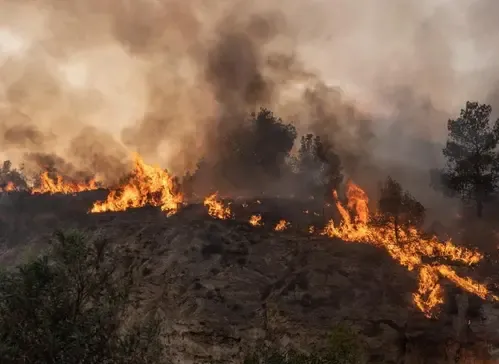
A wildfire near Trebinje , believed caused by a lightning strike, is advancing toward residential areas; shifting winds are a key risk factor.
Firefighters in Mostar are battling a multi-day landfill blaze, with a new fire breaking out at the same site on Saturday .
France recorded its hottest day since 1947 on Tuesday, with a national thermal index of 29.6°C ; Italy is set to place 16 cities under red alert.
The WHO has declared the European heatwave a 'health emergency' .
Bosnia and Herzegovina (BiH) issued a nationwide orange heat alert on 27 June, warning that temperatures could climb to 40 degrees Celsius over the following days even as firefighters battled multiple active wildfires driven by hot, dry conditions. The alert is part of a broader European heatwave that the World Health Organisation (WHO) has described as a 'health emergency'.
Scope of the Heat Warning
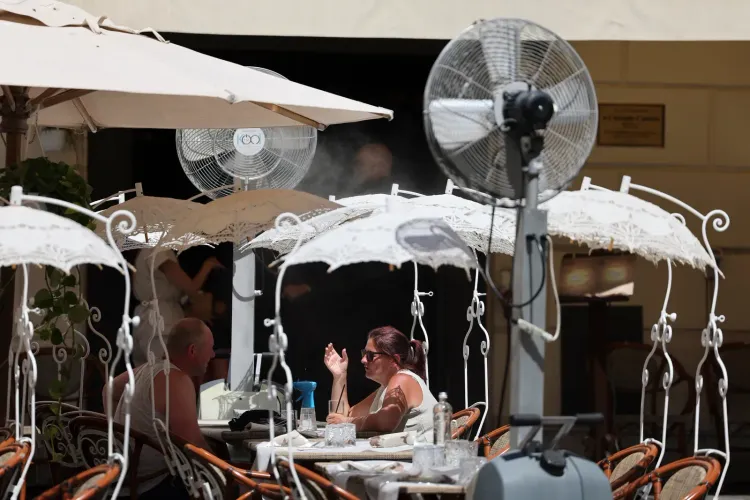
The Federal Hydrometeorological Institute of BiH (FHMZ) placed the orange alert in effect from 27 June to 30 June, identifying the window between 11:00 am and 5:00 pm each day as the most dangerous period. Temperatures are forecast to range between 33 and 40 degrees Celsius across the country.
The institute specifically urged the elderly, young children, and people with chronic illnesses to limit outdoor exposure, stay hydrated, and follow guidance from health and emergency authorities.
Wildfires in Mostar and Trebinje
In the southern city of Mostar, firefighters continued working to contain a blaze that had been burning for several days at a major landfill. A new fire reportedly broke out at the same site on Saturday, with firefighting operations still ongoing at the time of reporting.
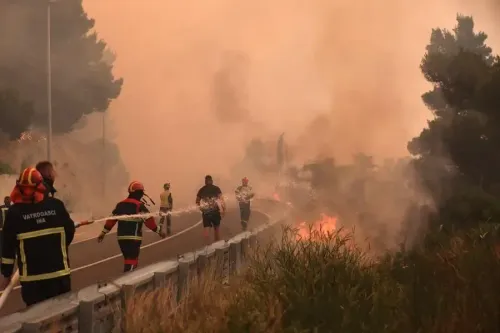
In the southern city of Trebinje, a wildfire on the outskirts flared up again and was reportedly advancing toward nearby residential areas, according to local fire officials. The fire, believed to have been ignited by a lightning strike, has been burning in inaccessible terrain since Wednesday. Officials warned that shifting winds could rapidly worsen conditions.
Wider European Heatwave Context
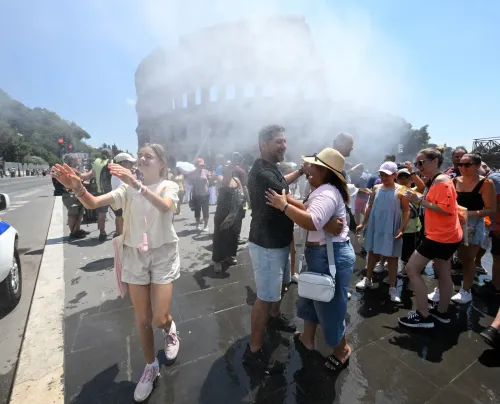
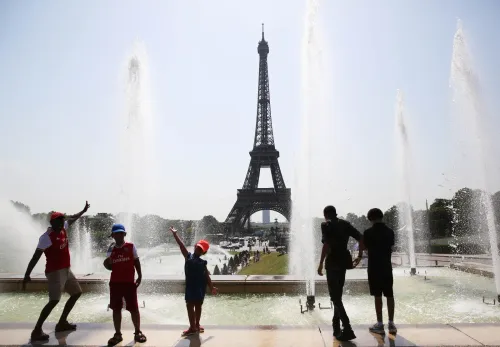
BiH's crisis is unfolding against the backdrop of a continent-wide heat emergency. In Italy, the number of cities under red alert was set to rise to 16 by Wednesday. In France, Tuesday was officially recorded as the hottest day since measurements began in 1947, with the national thermal index reaching 29.6 degrees Celsius at 3:00 pm — surpassing the previous record of 29.4 degrees Celsius set on 25 July 2019 and matched during the historic heatwave of 2003. According to Meteo-France, conditions were expected to deteriorate further in the hours that followed.
This comes amid growing concern among climate scientists that extreme heat events are intensifying in frequency and severity across the European continent, placing mounting pressure on emergency services and public health systems alike.
What Authorities Are Advising
Health and emergency authorities across BiH have called on residents to avoid unnecessary outdoor activity during peak heat hours, check on vulnerable neighbours, and monitor official advisories. Firefighting teams remain deployed across affected zones, though inaccessible terrain continues to hamper containment efforts in areas like Trebinje.
With the orange alert in place through 30 June and no significant cooling forecast, authorities have signalled that conditions are likely to remain dangerous for several more days.
Point of View
But the real accountability question is whether national governments have updated their heat action plans since the deadly 2003 heatwave — which killed an estimated 70,000 people across Europe. The Trebinje fire's persistence in terrain unreachable by ground crews points to a structural gap in firefighting capacity that warm-weather investment has not closed. France breaking its own heat record within six years of the 2019 peak is not an anomaly — it is a trend line.
NationPress
26 Sept 2026
Frequently Asked Questions
What is the orange heat alert issued in Bosnia and Herzegovina?
Bosnia and Herzegovina's Federal Hydrometeorological Institute (FHMZ) issued an orange heat warning covering the entire country from 27 June to 30 June, forecasting temperatures between 33 and 40 degrees Celsius. The alert identifies 11:00 am to 5:00 pm as the most dangerous period each day and urges vulnerable groups to stay indoors and hydrated.
Where are the active wildfires in Bosnia and Herzegovina?
Active wildfires are burning in two southern cities — Mostar, where a multi-day landfill fire saw a new outbreak on Saturday, and Trebinje, where a lightning-sparked wildfire has been burning in inaccessible terrain since Wednesday and is reportedly moving toward nearby houses.
Why is the Trebinje wildfire particularly dangerous?
The Trebinje wildfire is burning in inaccessible terrain, making ground-based firefighting difficult. Local fire officials have warned that changing wind directions could rapidly escalate the situation and push the fire closer to residential areas.
How does the BiH crisis fit into the broader European heatwave?
The WHO has declared the European heatwave a health emergency. France recorded its hottest day since 1947 on Tuesday, with a national thermal index of 29.6°C, while Italy is set to have 16 cities under red alert by Wednesday. BiH is one of several countries simultaneously managing extreme heat and wildfire risk.
Who is most at risk during the BiH heat alert?
The FHMZ has specifically flagged the elderly, young children, and people with chronic illnesses as the most vulnerable groups. Authorities have advised these groups to avoid prolonged outdoor activity, remain hydrated, and follow official health and emergency guidance throughout the alert period.