India's Sufi heritage can offer global model, Delhi meet told
Synopsis
Experts at an India-Egypt roundtable in New Delhi said India's diverse Sufi traditions could offer a global model of inclusive Islam. Speakers called for stronger intellectual and cultural exchanges and emphasised peace, tolerance and coexistence.
Key Takeaways
The Indo Islamic Heritage Center organised an India-Egypt Sufism roundtable in New Delhi on 24 November .
Muhammad Abdul Semed Mahanna said India's experience with diverse Sufi traditions could serve as a model for an inclusive understanding of Islam.
Ghulam Yazdani called for stronger intellectual and cultural exchanges between India and Egypt .
Pir Syed Fareed Ahmed Nizami emphasised tolerance, diversity and peaceful coexistence.
Mufti Ghulam Muhammad Qadri highlighted love, peace and brotherhood in Sufi traditions.
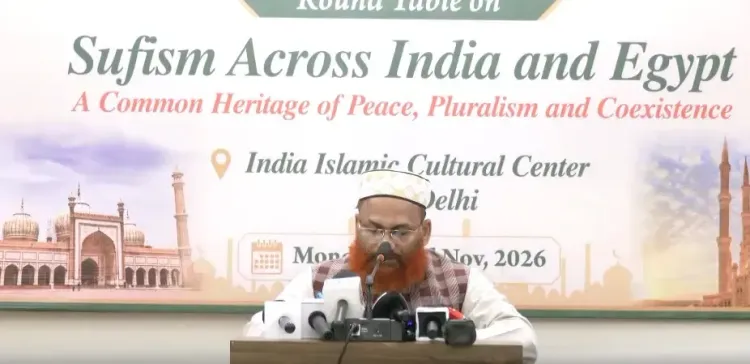
India's Sufi heritage could offer a global model of moderate, progressive and inclusive Islam, experts said at an India-Egypt roundtable in New Delhi on 24 November. Speakers highlighted the countries' shared spiritual traditions and argued that Sufism could help promote peace, tolerance and coexistence.
The Indo Islamic Heritage Center (IIHC) organised the discussion at the India Islamic Cultural Centre. Scholars, religious leaders, academics and media representatives examined historical connections between India and Egypt and their relevance to contemporary challenges.
India's Sufi traditions and a global role
Speakers described India's Sufi traditions as a source of civilisational strength and a possible avenue for cultural diplomacy. They said the country's pluralistic spiritual heritage could offer lessons to the Muslim world and the wider international community amid concerns about extremism, intolerance and ideological polarisation.
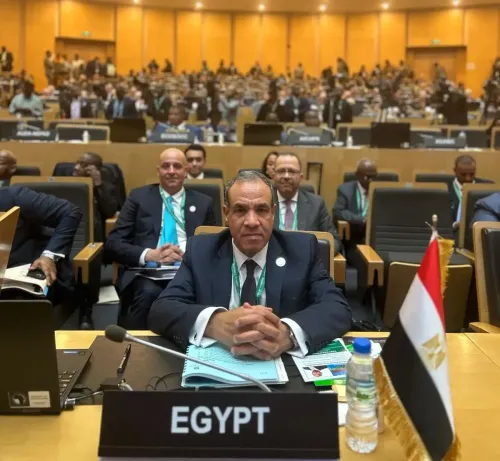
Prof. Dr. Muhammad Abdul Semed Mahanna, Professor of International Law and Advisor to the Grand Imam of Al-Azhar University, Cairo, said Sufism had the potential to emerge as a successful ideology in the contemporary world.
Mahanna pointed to India's ability to absorb, nurture and sustain diverse Sufi traditions. He said its experience could serve as a model for a moderate, progressive and inclusive understanding of Islam, and highlighted spiritual traditions as a means of building a peaceful global society.
India-Egypt civilisational links
Prof. (Dr.) Ghulam Yazdani, Dean of the Faculty of Law at Jamia Millia Islamia, described India and Egypt as ancient civilisations with rich intellectual, spiritual and moral traditions. He called for stronger intellectual and cultural exchanges between the two countries.
Yazdani said their civilisational contributions and religious and moral values could provide new direction to the world. The discussion placed those connections alongside the participants' assessment of how cultural and spiritual engagement can support international relations.
Religious leaders on coexistence
Pir Syed Fareed Ahmed Nizami, Sajjada Nasheen of Dargah Hazrat Nizamuddin Auliya, said India's history was rooted in tolerance, love, harmony and peaceful coexistence. He called for a progressive and moderate understanding of Islam that embraces inclusion and respects diversity.
Mufti Ghulam Muhammad Qadri, Founder and Director of the Imam Ahmed Raza Qadri Institute in Egypt, also emphasised love, peace and brotherhood in Sufi traditions. Referring to the Muslim greeting Assalam, he said it conveyed a message of peace.
Qadri said, “Today, we can move forward in the world only through love and brotherhood. Sufism conveys a message of love and affection.”
Call for sustained cultural engagement
Dr. Shujaat Ali Quadri, Chairman of the Muslim Students Organisation of India (MSO), delivered the vote of thanks and called for the promotion of India's indigenous Sufi traditions. He also stressed the importance of platforms encouraging moderate, progressive and inclusive religious thought.
The programme was conducted by Mohammad Zafruddin Barkati, Research Fellow at the Indo Islamic Heritage Center, who highlighted academic and cultural engagement in preserving the shared spiritual heritage of India and Egypt.
The conference concluded with a collective emphasis on taking the message of Sufism, peace and pluralism to a wider international audience. Participants also called for sustained intellectual, cultural and spiritual engagement to strengthen India-Egypt civilisational relations.
Point of View
Not a consensus on how Muslims practise their faith.
NationPress
24 Nov 2026
Frequently Asked Questions
What happened at the India-Egypt Sufism roundtable in Delhi?
Experts discussed the shared spiritual heritage of India and Egypt and said India's Sufi traditions could offer a model of inclusive Islam. The Indo Islamic Heritage Center organised the event at the India Islamic Cultural Centre.
Why did speakers say India's Sufi heritage matters?
Speakers said India's diverse Sufi traditions could promote peace, tolerance and coexistence. They presented the heritage as relevant to concerns about extremism, intolerance and ideological polarisation.
Who spoke at the India-Egypt roundtable?
Speakers included Muhammad Abdul Semed Mahanna, Ghulam Yazdani, Pir Syed Fareed Ahmed Nizami and Mufti Ghulam Muhammad Qadri. Dr. Shujaat Ali Quadri delivered the vote of thanks.
What did the roundtable propose for India-Egypt relations?
Participants called for sustained intellectual, cultural and spiritual engagement between India and Egypt. The source did not specify a timetable or a formal programme.