Why Are Democrats Criticizing the US SBA Ban on Green Card Holders?
Synopsis
In a significant policy shift, top Democrats are criticizing the SBA's new rule that excludes green card holders from accessing vital loans. This action is seen as harmful to immigrant entrepreneurs and local economies, raising questions about equal opportunity in the U.S. business landscape.
Key Takeaways
New SBA policy excludes green card holders from accessing loans.
Democrats criticize the policy for its impact on immigrant entrepreneurs.
Policy reverses decades of established practices.
Access to SBA loans has sharply declined.
Immigrants play a significant role in the U.S. small business landscape.
Washington, Feb 5 (NationPress) Prominent Democratic leaders have voiced their disapproval of a recent Small Business Administration (SBA) policy that prevents companies owned by legal permanent residents from obtaining SBA loans.
This decision, they argue, undermines immigrant entrepreneurs and harms local economies.
On Wednesday (local time), Sen. Edward J. Markey from Massachusetts and Rep. Nydia Velazquez of New York stated that this policy reverses decades of established practice and excludes lawful immigrants who operate small businesses.
Markey and Velazquez remarked, “The Trump administration is igniting animosity, spreading fear and confusion among immigrants and small business owners.”
“Instead of assisting diligent legal immigrants in launching or growing their businesses, the Trump SBA is opting for discrimination by denying green card holders access to SBA loans. The administration’s message to immigrants is evident: you are not invited to chase the American Dream.”
The SBA announced this policy on February 2, with an implementation date of March 1.
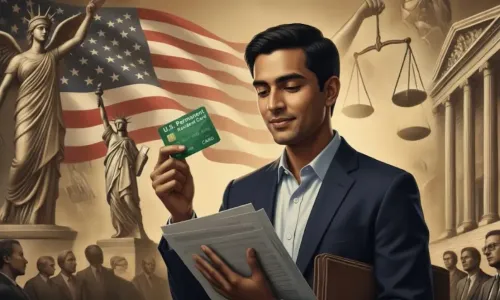
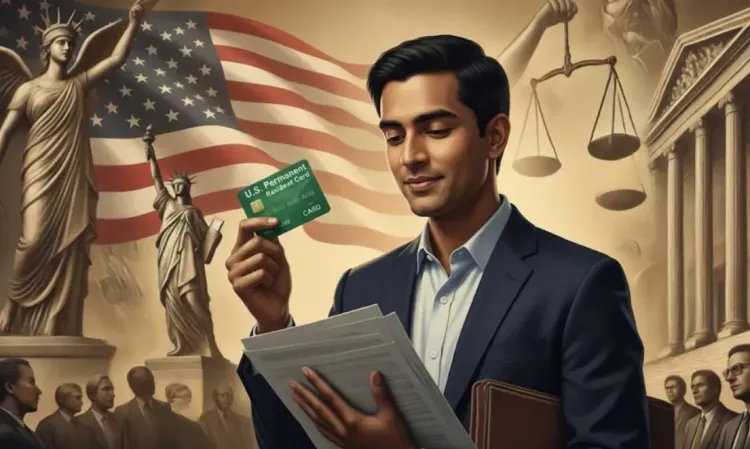
According to the new rule, a small business must be entirely owned by U.S. citizens or U.S. nationals residing in the United States, its territories, or possessions. Legal permanent residents, or green card holders, will be barred from owning any portion of a business seeking SBA-backed loans.
This policy also nullifies a prior SBA notice from December, which had allowed for up to 5 percent foreign ownership, including by legal permanent residents with primary residences outside the United States. The SBA stated that the previous notice is rescinded.
The December guidance had already faced backlash, identifying several groups as “ineligible persons,” including refugees, asylum seekers, visa holders, and those under the Deferred Action for Childhood Arrivals program. It also specifically targeted individuals who were citizens of or resided in China or Hong Kong.
Democratic lawmakers have claimed that these policy shifts have led to confusion for both lenders and borrowers.
They noted a significant decrease in access to SBA loans.
In July, Markey and Velazquez warned the SBA that the new citizenship verification process was excessively stringent and would cut off eligible small businesses. In September, Markey mentioned that SBA lenders informed him that the regulations were challenging to implement and were hindering lending.
In December, Markey and other Democratic members of the Senate Small Business Committee sent another letter to SBA Administrator Kelly Loeffler, reiterating their concerns and highlighting a steep decline in lending.
The letter indicated that SBA loan volume plummeted by 46 percent from June to August 2025. Lawmakers associated this decline with new citizenship regulations introduced earlier that year.
The changes that took effect on June 1, 2025, prohibited loans for businesses that had even minor ownership stakes held by noncitizens.
This included refugees, asylees, visa holders, and conditional green card holders, even if U.S. citizens owned the majority of the business.
Lawmakers stated that these changes undermined over 25 years of SBA policy. Markey and Velázquez emphasized that SBA loans are crucial for small businesses to launch, expand, and employ workers, and that immigrant-owned businesses heavily depend on such financing.
The SBA claims that the new regulations adhere to federal law and an executive order titled “Protecting the American People Against Invasion.” Lenders are now required to certify that none of the owners of an applicant business qualify as ineligible persons.
The SBA has not publicly addressed the lawmakers’ recent criticisms.
For decades, these programs have allowed businesses owned by U.S. citizens and lawful permanent residents to qualify for loans.
Immigrants play a vital role in driving the growth of small businesses in the U.S., often founding companies that employ American workers and serve local communities nationwide.
Point of View
I affirm that this policy shift by the SBA presents significant implications for immigrant entrepreneurs and small businesses. While adhering to federal law is essential, the impact on local economies and the entrepreneurial spirit of immigrants cannot be overlooked. This situation calls for a balanced approach that supports all business owners seeking to contribute to the American economy.
NationPress
22 Sept 2026
Frequently Asked Questions
What is the new SBA policy regarding green card holders?
The new SBA policy prohibits businesses owned by legal permanent residents, or green card holders, from obtaining SBA loans, reversing decades of practice.
Why are Democrats opposing this policy?
Democrats argue that the policy harms immigrant entrepreneurs and local economies, excluding lawful immigrants from accessing vital business financing.
When does this policy take effect?
The SBA policy was published on February 2 and is set to take effect on March 1.
What were the previous guidelines regarding foreign ownership?
The previous guidelines allowed up to 5 percent foreign ownership, including by legal permanent residents whose primary residence was outside the U.S.
How have these changes affected SBA loan access?
Lawmakers have reported a significant drop in access to SBA loans, with loan volume falling by 46 percent from June to August 2025 due to the stricter citizenship rules.