US man charged in $300 million GPU smuggling scheme to China via Asia
Synopsis
A California tech company owner faces federal charges for allegedly routing over $300 million in export-restricted GPU servers through Malaysia and Singapore to reach China — using fake paperwork and dummy servers to fool inspectors. It is one of the largest US export-control enforcement actions tied to the AI chip war with Beijing.
Key Takeaways
Greg Lui , 38, owner of Earthmade Computer Inc. in California, was arrested on 2 October 2026 on federal charges related to smuggling export-controlled GPU servers to China.
The alleged scheme routed more than $300 million worth of servers through Malaysia and Singapore to evade US export licencing requirements.
Between January and October 2024 , Earthmade received more than $176 million from two Malaysia-based shipping companies as part of the alleged operation.
Lui is charged with conspiracy to violate the Export Control Reform Act , outbound smuggling, and conspiracy to commit money laundering — carrying a combined maximum of 50 years in prison.
The indictment was returned by a federal grand jury on 29 September 2026 ; Lui was to be arraigned on Friday in federal court in Los Angeles .
The FBI separately alleged Lui sold the Chinese government hundreds of millions in advanced US computing technology — an allegation not yet proven in court.
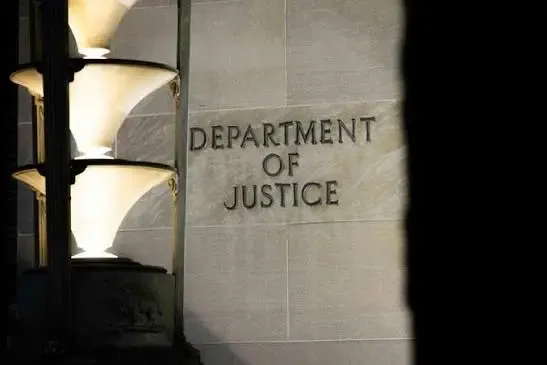
Greg Lui, 38, the owner of a California technology company, was arrested on 2 October 2026 on federal charges of smuggling more than $300 million worth of export-controlled, high-end computer servers containing US-made graphics processing units (GPUs) to China, the US Justice Department announced. Lui allegedly routed the shipments through Malaysia and Singapore to circumvent strict American export controls designed to prevent advanced computing technology from reaching adversaries.
Who Is Greg Lui and What Is the Alleged Scheme
Greg Lui, also known as Yiu Kong Lui, of San Gabriel, California, is the owner of Earthmade Computer Inc., a technology company based in City of Industry, California. According to a federal indictment returned by a grand jury on 29 September 2026 and unsealed following his arrest, Lui and alleged co-conspirators used Earthmade to purchase export-controlled servers and re-route them to China without the licences required by the US Commerce Department.
Prosecutors allege the operation ran from 2023 through 2024, with equipment first dispatched to third countries — primarily Malaysia and Singapore — before being re-exported to China. Lui and his alleged co-conspirators reportedly provided false documentation to US manufacturers, representing that the servers would reach permissible end users and destinations not requiring export licences.
The GPUs at the Heart of the Case
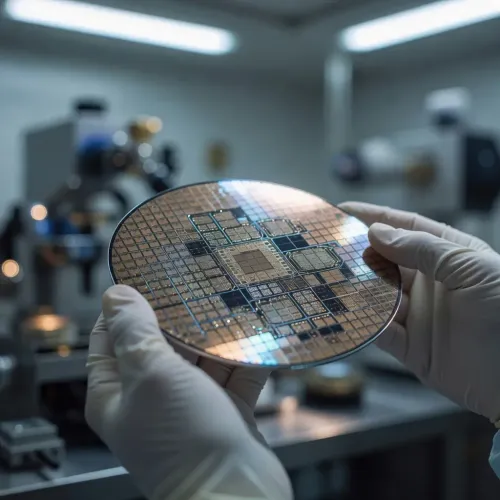
The servers in question contained advanced GPUs, which are critical components for high-performance computing and artificial intelligence (AI) applications. The US government restricts exports of such chips to China owing to their potential military applications — a policy that has tightened considerably as Washington and Beijing have clashed over technology access.
One transaction cited in the indictment describes an order placed in January 2024 for 27 servers valued at approximately $7.6 million. The servers were shipped from Los Angeles to Kuala Lumpur, Malaysia, with packing lists explicitly noting that the GPUs inside could not be sent to China without a licence. By March 2024, an alleged co-conspirator had emailed a Malaysian government official confirming the same servers had been transshipped to a China-based buyer, according to prosecutors.
Between January and October 2024, Earthmade reportedly received more than $176 million from two Malaysia-based shipping companies as part of the alleged scheme.
What Prosecutors and Officials Said
First Assistant US Attorney Bill Essayli said: 'Protecting America's national security means keeping our advanced Super Intelligence technology from being used to strengthen our adversaries' military capabilities. This defendant allegedly used false paperwork and shipments through third countries to smuggle more than $300 million in export-controlled computer servers to China.'
Assistant Attorney General for National Security John A. Eisenberg added that the indictment 'details alleged efforts to evade US export laws through false documents, staged dummy servers to mislead inspectors, and convoluted transshipment schemes, in order to obfuscate the true destination of restricted SI technology — China.'
The FBI has separately alleged that Lui sold the Chinese government hundreds of millions of dollars' worth of advanced American computing technology — an allegation that has not been proven in court.
Charges and Potential Penalties
Lui faces a three-count federal indictment comprising conspiracy to violate the Export Control Reform Act and Export Administration Regulations, outbound smuggling, and conspiracy to commit money laundering. If convicted on all counts, he faces a statutory maximum of 20 years each on the export-control conspiracy and money-laundering conspiracy charges, and 10 years on the smuggling count.
Lui was expected to make his initial appearance and be arraigned on Friday in federal court in Los Angeles.
Broader Context: US-China Tech Rivalry
This case arrives amid an intensifying US-China technology standoff, during which Washington has progressively tightened restrictions on the export of advanced semiconductors and AI hardware. The Biden and Trump administrations alike have expanded the list of restricted chips, and enforcement actions have multiplied. Notably, this is not the first case in which Malaysia and Singapore have been identified as transshipment hubs for controlled US technology — a pattern that US authorities have said they are actively working to disrupt. The scale of the alleged operation — $300 million routed through front companies and false documents — places it among the largest GPU-smuggling cases prosecuted to date.
Point of View
Multiple transshipment hubs, dummy servers and forged documents — suggests this was not opportunistic arbitrage but a systematically engineered supply chain for export-controlled AI hardware. What stands out is how the alleged scheme exploited the gap between America's sweeping export-control rules and their enforcement on third-country re-exports; Malaysia and Singapore have now appeared repeatedly in such cases, raising questions about whether bilateral enforcement cooperation is keeping pace with Washington's chip-war ambitions. The FBI's allegation that the Chinese government was the end buyer, if proven, would elevate this from a commercial export-control case to a state-sponsored procurement operation — and could sharpen pressure on US allies to tighten their own transshipment monitoring regimes.
NationPress
2 Oct 2026
Frequently Asked Questions
Who is Greg Lui and what is he accused of?
Greg Lui, 38, also known as Yiu Kong Lui, is the owner of Earthmade Computer Inc. in City of Industry, California. He has been charged with smuggling more than $300 million worth of export-controlled GPU servers to China between 2023 and 2024 by routing them through Malaysia and Singapore and using false documentation to evade US export licencing requirements.
Why are GPU exports to China restricted by the US?
Advanced graphics processing units used in AI and high-performance computing are subject to US export controls because of their potential military applications. The US Commerce Department requires licences for such exports to China, and those licences are typically not granted, as part of Washington's effort to limit Beijing's access to cutting-edge computing technology.
What charges does Lui face and what is the maximum sentence?
Lui faces three federal counts: conspiracy to violate the Export Control Reform Act and Export Administration Regulations, outbound smuggling, and conspiracy to commit money laundering. If convicted on all counts, he faces a statutory maximum of 20 years each on the two conspiracy charges and 10 years on the smuggling count.
How did the alleged smuggling scheme work?
According to prosecutors, Lui and alleged co-conspirators purchased export-controlled servers in the United States, provided false paperwork claiming the goods were headed to permissible destinations, then shipped the equipment to Malaysia and Singapore, from where it was re-exported to China-based buyers. The indictment also describes 'dummy servers' used to mislead inspectors.
Was the Chinese government directly implicated?
The FBI has alleged that Lui sold the Chinese government hundreds of millions of dollars' worth of advanced American computing technology, but this allegation has not been proven in court. The indictment itself identifies the true end users as being in China, though it does not identify them by name in publicly released court documents.