Egypt's Sisi works to broker US-Iran nuclear deal amid Trump warnings
Synopsis
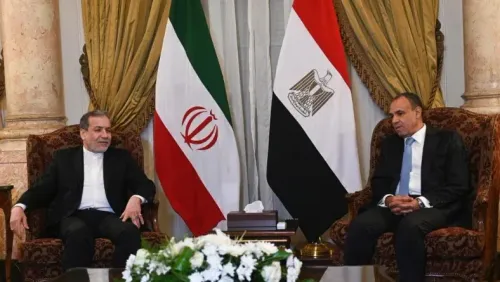
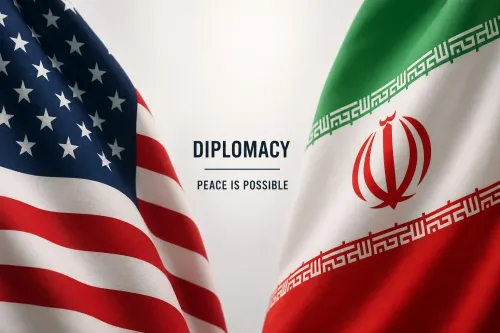
Egypt has quietly stepped into one of the world's most volatile diplomatic standoffs — actively brokering between Washington and Tehran on a nuclear deal. With Trump saying Iran has already agreed to ban both developing and purchasing a nuclear weapon, and France pressing to keep the Strait of Hormuz open, the outlines of a framework are taking shape. But Trump's 'Department of War' warning signals the margin for failure is razor-thin.
Key Takeaways
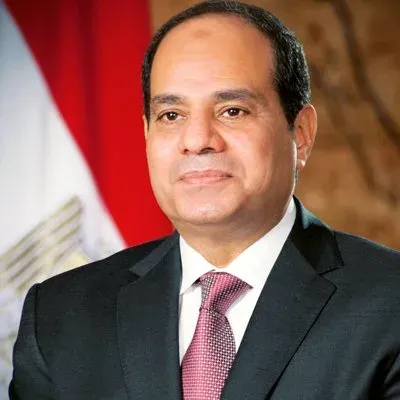
Egyptian President Abdel-Fattah al-Sisi confirmed on 1 June that Cairo is conducting intensive diplomatic contacts to facilitate a US-Iran nuclear agreement.
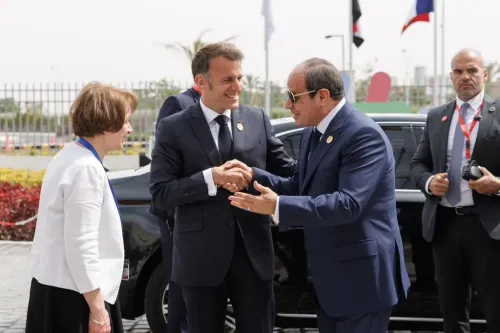
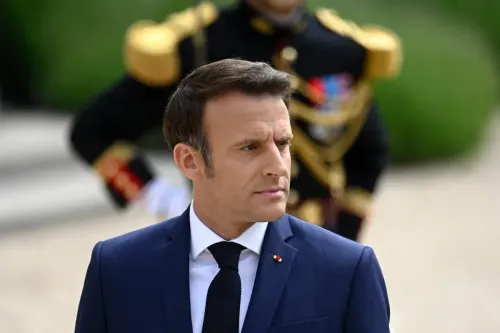
Sisi disclosed the effort during a phone call with French President Emmanuel Macron , who separately stressed keeping the Strait of Hormuz open.
US President Donald Trump said Washington is 'close to a very good deal' with Iran on nuclear weapons.
Iran has reportedly agreed to language barring it from both developing and purchasing a nuclear weapon — an expanded formulation pushed by Trump.
Trump warned that military action remains an option if negotiations fail, invoking the 'Department of War.'
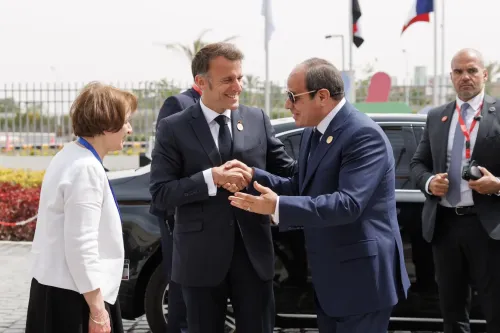
Egyptian President Abdel-Fattah al-Sisi confirmed on Sunday, 1 June that Cairo is actively working to facilitate a comprehensive agreement between the United States and Iran, as diplomatic activity over the Middle East's nuclear standoff intensifies. Sisi disclosed the effort during a phone call with French President Emmanuel Macron, signalling that two of the region's most consequential diplomatic players are coordinating on the issue.
Egypt's Role in the Talks
Sisi told Macron that Egypt was engaged in 'intensive contacts with various parties concerned' to help bring about a broad-based agreement between Washington and Tehran. He underscored that Cairo's engagement was anchored in the principles of international law and respect for state sovereignty — a framing that positions Egypt as a neutral facilitator rather than a partisan actor.
This is not Egypt's first foray into Middle East mediation; Cairo has historically played a bridging role in Israeli-Palestinian negotiations and intra-Palestinian reconciliation efforts. Its involvement in the US-Iran track marks a notable expansion of that diplomatic footprint.
Macron Flags Strait of Hormuz Concerns
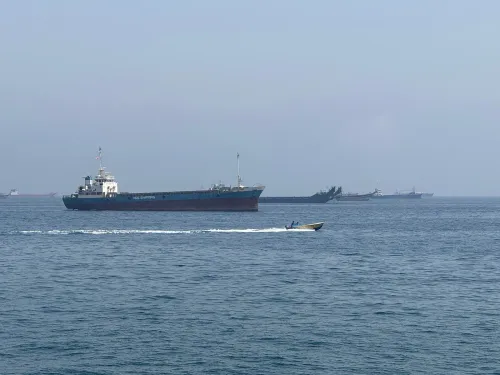
For his part, Macron outlined France's efforts to secure sustainable peace and prevent the Middle East from descending into further instability. He specifically stressed the necessity of keeping the Strait of Hormuz open and lifting any restrictions on passage through it — a pointed reference to the chokepoint through which roughly 20% of the world's oil supply transits. Any disruption there would send immediate shockwaves through global energy markets.
Trump: 'Close to a Very Good Deal' — but Military Option Remains
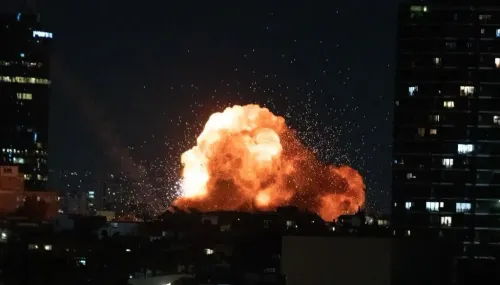
The diplomatic manoeuvring comes as US President Donald Trump said in a Fox News interview at the White House that Washington is close to a nuclear agreement with Tehran, while warning that military action remains on the table if talks collapse. 'We're close to a very good deal, and if we can make it good, otherwise we just start up with the Department of War, as we call it,' Trump said.
Trump said Iran had agreed to language explicitly barring it from developing or acquiring a nuclear weapon. 'The one guarantee that I have to have is that there will be no nuclear weapons,' he said. 'They've agreed to that.'
Notably, Trump revealed that the scope of negotiations had broadened after he raised concerns about Iran potentially obtaining a weapon from a third party. The agreed language, he said, now reads: 'We will not develop or in any way purchase a military weapon' — a significant expansion of the original formulation, which covered only domestic development.
Difficult but Progressing
Trump described the negotiations as arduous but directionally positive. 'Very tough negotiators. It takes a long time,' he said. 'Slowly but surely, we're getting, I think, what we want.' He reiterated that a negotiated settlement remained his preference, while making clear that Washington would act unilaterally if its core demands were not satisfied.
With Egypt and France both engaged behind the scenes and Trump signalling proximity to a deal, the coming weeks will test whether this latest diplomatic push can convert cautious progress into a binding framework.
Point of View
To varying degrees, on both sides. That Sisi chose to surface this role publicly, in a call with Macron, suggests the talks have reached a stage where visible diplomatic scaffolding is being erected deliberately. Trump's expansion of the agreed language — from 'no development' to 'no development or purchase' — is substantively significant and has received little scrutiny. If Iran has genuinely accepted that clause, it forecloses the Pakistan or North Korea route that has long haunted non-proliferation analysts. The question is verification: who monitors compliance, and what triggers a response? Without answers to those questions, the deal's durability remains an open variable.
NationPress
19 Sept 2026
Frequently Asked Questions
What is Egypt's role in the US-Iran nuclear negotiations?
Egypt is acting as a diplomatic facilitator, conducting what President Sisi described as 'intensive contacts with various parties' to help broker a comprehensive agreement between the United States and Iran. Cairo has positioned its involvement as grounded in international law and respect for state sovereignty.
How close is the US-Iran nuclear deal, according to Trump?
President Trump said the United States is 'close to a very good deal' with Iran, noting that progress is being made despite difficult negotiations. He added that Iran has agreed to language barring it from developing or purchasing a nuclear weapon.
What did Trump say about military action against Iran?
Trump reiterated that military action remains an option if negotiations fail, saying the US would 'start up with the Department of War' if a satisfactory deal cannot be reached. He expressed a preference for a negotiated settlement but was unambiguous about the alternative.
Why is the Strait of Hormuz significant in these talks?
French President Macron specifically raised the need to keep the Strait of Hormuz open during his call with Sisi. The strait is a critical global shipping lane through which roughly 20% of the world's oil supply passes, and any military escalation involving Iran could threaten that transit route.
What is the key new element in Iran's nuclear commitment?
According to Trump, Iran agreed not only to refrain from developing a nuclear weapon domestically but also from purchasing one from another country. Trump said he pushed for this expanded language after raising concerns about Iran potentially acquiring a weapon from a third-party source.