Macron urges swift US-Iran deal, Hormuz reopening without conditions
Synopsis
Macron is mounting a coordinated diplomatic push — calling four Gulf and Arab leaders in a single day and proposing a France-UK maritime force for the Strait of Hormuz — even as US-Iran negotiations in Washington reportedly risk sliding backward, with Tehran set to introduce new amendments and Trump pushing for faster pressure tactics.
Key Takeaways
Emmanuel Macron called for an immediate US-Iran agreement and unconditional reopening of the Strait of Hormuz on Sunday, 1 June .
Macron spoke with leaders of Saudi Arabia , Oman , the UAE , and Egypt , delivering a uniform message on the need for swift diplomacy.
France proposed a multinational maritime initiative co-led with Britain to protect shipping through the Strait of Hormuz.
An Israeli airstrike near Hiram Hospital in Tyre, Lebanon injured 13 hospital staff on Sunday, per Lebanon's Public Health Emergency Operations Centre.
US-Iran talks face fresh uncertainty as Trump seeks to modify the existing framework and Tehran prepares new amendments, according to The New York Times .
Final Iranian approval rests with Supreme Leader Mojtaba Khamenei , complicating any accelerated timeline.
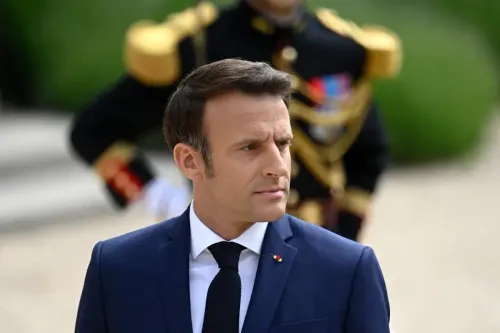
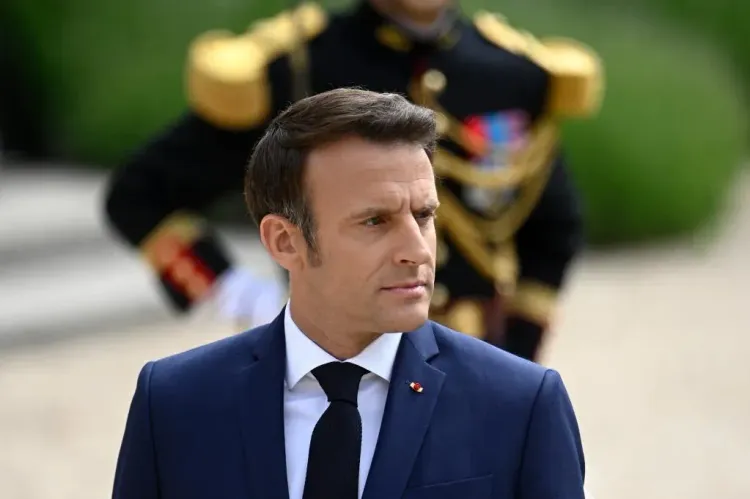
French President Emmanuel Macron has called for a rapid agreement between the United States and Iran, pressing for the unconditional reopening of the Strait of Hormuz in line with international law. The appeal, made via social media on Sunday, came after Macron held separate conversations with four key regional leaders.
Macron's Regional Outreach
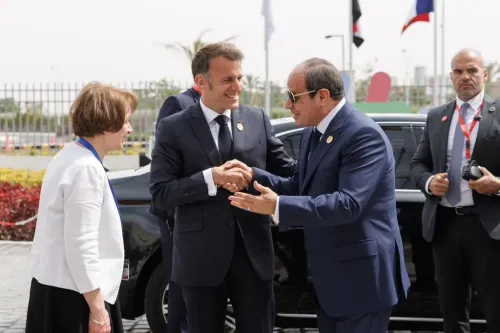
The French president said he had spoken with Saudi Arabia's Crown Prince and Prime Minister Mohammed bin Salman, Oman's Sultan Haitham bin Tariq, UAE President Sheikh Mohamed bin Zayed Al Nahyan, and Egyptian President Abdel-Fattah al-Sisi. Macron stressed he delivered an identical message to all four leaders: a US-Iran agreement must be reached without delay.
According to Macron, the immediate priority is securing a ceasefire and restoring freedom of navigation through the Strait of Hormuz. Broader discussions on Iran's nuclear and ballistic missile programmes and regional stability would follow, he said.
France-UK Maritime Initiative
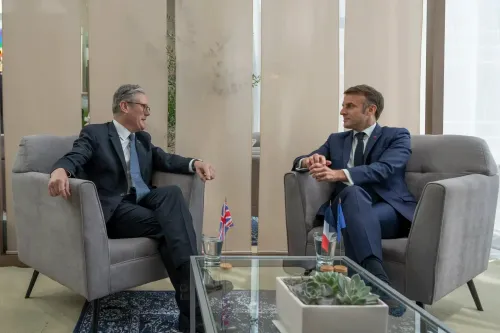
Macron said France stands ready to contribute, including through a multinational maritime initiative jointly led with Britain to safeguard commercial traffic through the Strait of Hormuz. The proposal signals Paris's intent to position itself as a key broker in any post-ceasefire security architecture in the Gulf.
Lebanon and the Israeli Airstrike
The French president also called on all parties to cease hostilities in Lebanon, saying regional stability must begin there. He reaffirmed France's commitment to supporting Lebanon's efforts to restore state sovereignty and territorial integrity.
Separately, according to Lebanon's Public Health Emergency Operations Centre, an Israeli airstrike on Sunday struck an area adjacent to Hiram Hospital in the southern city of Tyre, injuring 13 hospital staff members and causing extensive damage to the facility.
US-Iran Negotiations: A Stalled Ping-Pong
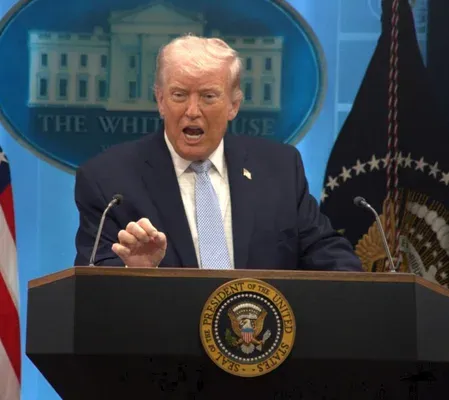
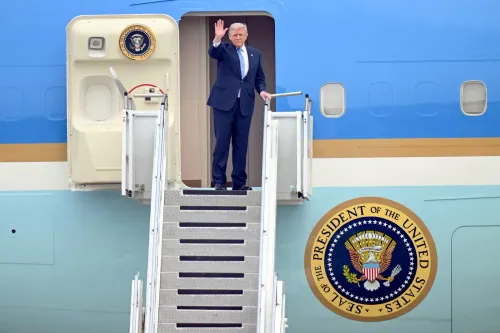
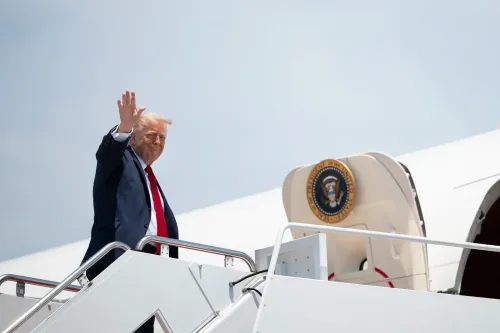
US President Donald Trump is reportedly planning to modify the terms of a framework agreement with Iran to end the conflict, even as Tehran prepares to introduce new elements of its own, according to American media reports. Three sources cited by The New York Times indicated that negotiations risk reverting to an earlier, less advanced stage.
One official told the newspaper that Trump wants to accelerate talks by applying greater pressure on Iran, but is constrained by the complexity of the Iranian decision-making hierarchy. Final approval in Tehran rests with Supreme Leader Mojtaba Khamenei, and any modification to the memorandum of understanding that underpins the framework inevitably extends negotiation timelines. Iran is expected to introduce fresh amendments to the draft agreement following Trump's latest push, according to the Tasnim news agency.
With Macron pressing from Europe and Trump recalibrating from Washington, the coming days will test whether diplomatic momentum can outpace the region's escalating flashpoints.
Point of View
The revelation that US-Iran talks risk 'starting from a more backward square' — with Trump wanting speed and Khamenei controlling the final word — exposes the fundamental asymmetry that has dogged every iteration of this negotiation. Macron can call all the leaders he likes; the deal, if it comes, will be made in Washington and Tehran, not Paris.
NationPress
21 Oct 2026
Frequently Asked Questions
What did Macron say about the Strait of Hormuz?
Macron called for the Strait of Hormuz to be reopened unconditionally and in accordance with international law, describing it as an immediate priority alongside a ceasefire. He made the appeal via social media on Sunday after speaking with leaders from Saudi Arabia, Oman, the UAE, and Egypt.
What is the France-UK maritime initiative for the Strait of Hormuz?
France has proposed a multinational maritime initiative, jointly led with Britain, to safeguard commercial shipping through the Strait of Hormuz. Macron said France stands ready to play its part in this effort as part of a broader push for regional stability.
What is the current status of US-Iran nuclear negotiations?
US-Iran talks are reportedly in a difficult phase, with Trump planning to modify the existing memorandum of understanding and Iran preparing to introduce new amendments of its own, according to The New York Times and Tasnim news agency. Three sources cited by the Times warned that negotiations risk reverting to an earlier, less advanced stage.
Who has final approval over any Iran nuclear deal?
Final approval in Tehran rests with Supreme Leader Mojtaba Khamenei, according to reports. This means any modification to the draft agreement extends negotiation timelines, complicating US President Trump's stated desire to accelerate talks.
What happened at Hiram Hospital in Tyre, Lebanon?
An Israeli airstrike on Sunday struck an area adjacent to Hiram Hospital in the southern Lebanese city of Tyre, injuring 13 hospital staff members and causing extensive damage to the facility, according to Lebanon's Public Health Emergency Operations Centre.