EU Parliament admits Baloch petition on Pakistan's GSP+ status
Synopsis
The European Parliament has admitted a Baloch petition seeking suspension of Pakistan's GSP+ trade benefits. The petitions committee chair also pointed to the EU's own July 2026 assessment, which flagged disappearances in Balochistan, extrajudicial killings and impunity. Islamabad's preferential access to EU markets is now under formal scrutiny.
Key Takeaways
The European Parliament's Committee on Petitions declared admissible a petition by Paank , the human rights wing of the Baloch National Movement .
The petition was referred to the Committee on Foreign Affairs and the Subcommittee on Human Rights , and a letter was sent to the DSAS delegation.
Committee chair Bogdan Rzonca cited the EU's GSP+ assessment of Pakistan published on 16 July 2026 , which flagged disappearances, extrajudicial killings and impunity.
The dossier, submitted on 3 July 2026 , alleges Pakistan is not complying with 27 core international conventions required under GSP+.
It urges the EU to begin temporary withdrawal of Pakistan's preferences under Article 19 of the GSP Regulation.
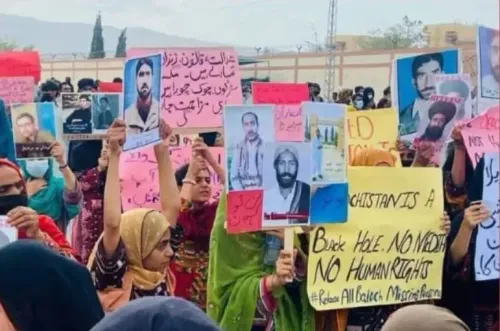
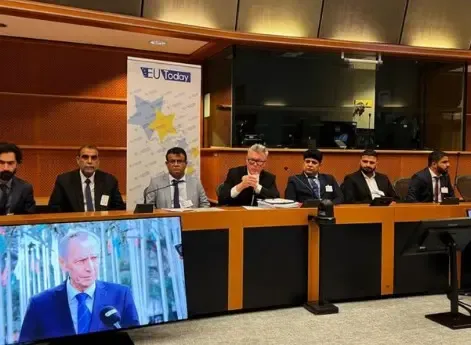
The European Parliament has declared admissible a petition from Paank, the human rights department of the Baloch National Movement (BNM). The petition raises concerns over alleged human rights abuses by Pakistani forces in Balochistan and questions the trade preferences Pakistan receives under the European Union's (EU) Generalised Scheme of Preferences Plus (GSP+). The development, reported from Brussels on 26 November 2026, moves the Baloch rights issue into the European Parliament's formal oversight channels.
Key Developments
The Parliament's Committee on Petitions held that the matter falls within the EU's fields of activity. That finding is the threshold a petition must cross to be taken up.
The petition has been referred to the Committee on Foreign Affairs and the Subcommittee on Human Rights for information. A letter has also been sent to the Parliament's Delegation for Relations with the countries of South Asia (DSAS).
In a letter to the petitioners, Bogdan Rzonca, Chair of the Committee on Petitions, wrote: “I am pleased to inform you that the Committee on Petitions has considered your petition and declared it admissible, since the matter you raise falls within the European Union’s fields of activity. Given the subject matter, I have referred your petition to the European Parliament’s Committee on Foreign Affairs and the Subcommittee on Human Rights for information.”
What the EU's Own Assessment Flagged
Rzonca pointed the petitioners to the European Commission's GSP+ assessment of Pakistan covering 2023-2025, published on 16 July 2026.
According to the letter, that assessment “identifies concerns about disappearances, including in Balochistan, extrajudicial killings, impunity, restrictions on freedom of expression and peaceful assembly, and the potential for counter-terrorism laws to enable arbitrary detention.” The letter added that the assessment also “raises concerns about fair-trial rights and the treatment of political dissidents and human rights defenders.”
Notably, the concerns cited in the petition are not drawn only from activist sources. They overlap with findings in the EU's own review of Pakistan's compliance.
The Paank Dossier
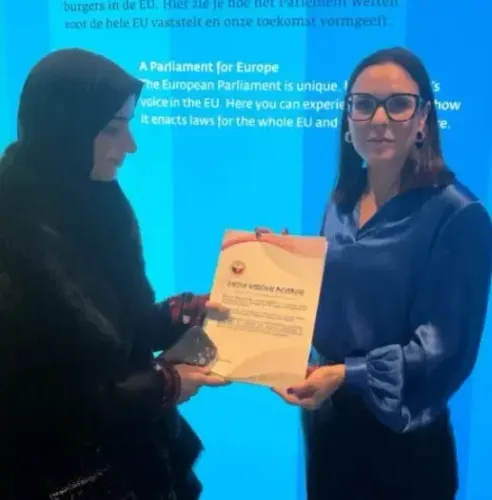
Paank media coordinator Jamal Baloch submitted a detailed dossier to the Committee on Petitions on 3 July 2026. It was titled 'Human Rights in Balochistan and the Case for Suspending Pakistan’s GSP+ Status'.
The dossier argues that Pakistan is not effectively complying with the 27 core international conventions whose implementation is mandatory to obtain and retain GSP+ preferences. It calls on the EU to begin the procedure for the temporary withdrawal of these preferences under Article 19 of the GSP Regulation.
According to the document, thousands of Baloch students, political activists, journalists, intellectuals and ordinary citizens have been subjected to enforced disappearances by Pakistani forces over the past two decades. The dossier also makes the following allegations:
- Security personnel pick people up from their homes, educational institutions and public places.
- Those detained are moved to unknown locations and held in illegal detention for long periods.
- Some of the forcibly disappeared have later been found dead with signs of torture. The dossier describes this as a state-level “kill-and-dump” policy.
Why It Matters for Pakistan
Under GSP+, the EU grants beneficiary countries preferential access to its market. In return, those countries must implement core conventions on human rights, labour rights, the environment and good governance.
The petition's admission does not by itself trigger any withdrawal of Pakistan's trade benefits. However, it places the Baloch allegations before the Parliament's foreign affairs and human rights bodies. It also comes at a time when the Commission's own assessment has already recorded similar concerns.
Any further action by EU institutions on Pakistan's GSP+ status is likely to be watched closely in both Islamabad and Brussels.
Point of View
Not a verdict. Still, the telling detail is that the committee chair did not lean on the Baloch dossier alone. He pointed to the Commission's own July 2026 assessment, which records disappearances, extrajudicial killings and impunity in Pakistan. That leaves Brussels with an awkward contradiction: it continues trade preferences tied to rights compliance while its own review documents non-compliance. Whether the EU acts on Article 19 will test whether GSP+ conditionality is enforceable or merely aspirational.
NationPress
26 Nov 2026
Frequently Asked Questions
What petition did the European Parliament admit regarding Pakistan?
The European Parliament's Committee on Petitions declared admissible a petition by Paank, the human rights department of the Baloch National Movement. The petition raises alleged rights abuses in Balochistan and questions Pakistan's GSP+ trade preferences.
What is GSP+ and why is Pakistan's status being questioned?
GSP+ is an EU arrangement that grants preferential trade access to countries that implement core international conventions, including those on human rights. The petition argues that Pakistan is not effectively complying with the 27 mandatory conventions.
What does the petition ask the EU to do?
It asks the EU to initiate the procedure for the temporary withdrawal of Pakistan's GSP+ preferences under Article 19 of the GSP Regulation.
What did the EU's own GSP+ assessment of Pakistan say?
The Commission's assessment for 2023-2025, published on 16 July 2026, identified concerns about disappearances, including in Balochistan, as well as extrajudicial killings, impunity and restrictions on free expression and assembly. It also flagged concerns about fair-trial rights and the treatment of dissidents and human rights defenders.
What happens next after the petition's admission?
The petition has been referred to the Committee on Foreign Affairs and the Subcommittee on Human Rights for information, and a letter has been sent to the South Asia delegation. Admission does not automatically lead to the suspension of Pakistan's trade benefits.