Baloch activists urge EU lawmakers to revoke Pakistan's GSP+ trade status
Synopsis
Baloch activists took their campaign to Europe's doorstep, meeting MEPs in The Hague and handing over a human rights dossier aimed squarely at stripping Pakistan of its EU preferential trade privileges. With the EU's GSP+ review for Pakistan due in January 2027, the BNM is treating the next few months as its most consequential diplomatic window yet.
Key Takeaways
The Baloch National Movement (BNM) met MEPs Anna Strolenberg and Raquel Garcia Hermida-van der Walle in The Hague on 23 October 2026 .
The delegation pressed European lawmakers to revoke Pakistan's GSP+ preferential trade status with the EU .
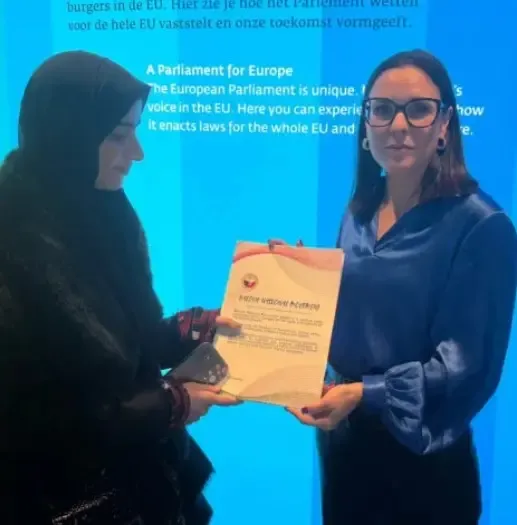
A detailed dossier on alleged human rights abuses in Balochistan and Pakistan's non-compliance with international conventions was handed over.
The EU's review of Pakistan's GSP+ status is scheduled for January 2027 , which BNM calls a critical diplomatic window.
Pakistan has held GSP+ status since 2014 , granting it reduced-tariff access on thousands of goods to EU markets.
A delegation of the Baloch National Movement (BNM) met members of the European Parliament (MEPs) in The Hague on 23 October 2026, pressing European legislators to support the revocation of Pakistan's Generalised Scheme of Preferences Plus (GSP+) trade status ahead of the European Union's scheduled review in January 2027. The meetings mark an intensification of the BNM's diplomatic campaign targeting Pakistan's preferential trade access to EU markets.
How the meetings unfolded
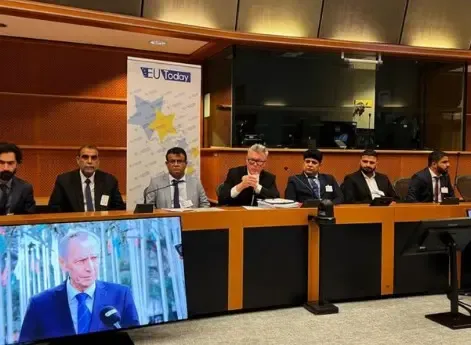
The engagements took place during the launch event of the Union of European Federalists (UEF) Netherlands at Europa Experience in The Hague, held under the theme 'Global Challenges We're Facing Together'. The BNM delegation met with MEPs Anna Strolenberg and Raquel Garcia Hermida-van der Walle, as well as Esther Lainez, President of the Young European Federalists (JEF) Netherlands.
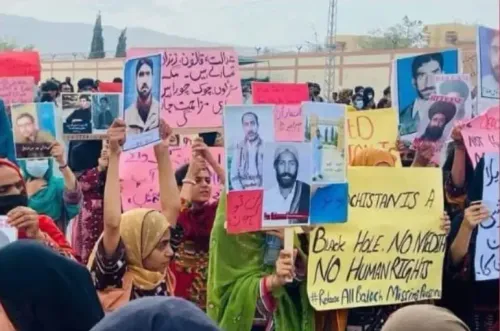
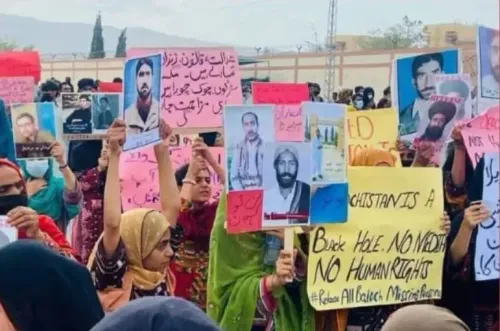
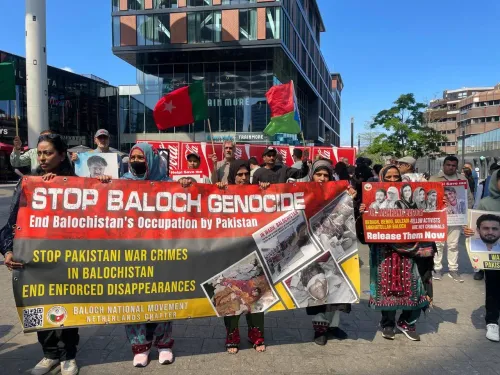
The delegation briefed European representatives on what it described as a worsening human rights situation in Balochistan, the Baloch national struggle for self-determination, and Pakistan's alleged failure to honour its international human rights commitments.
The case against Pakistan's GSP+ status
The BNM argued that a country implicated in enforced disappearances, extrajudicial killings, and collective punishment should not continue receiving preferential trade benefits without accountability. According to a BNM statement, the delegation called on European representatives to support outright revocation of Pakistan's trade privileges under the GSP+ framework.
Notably, the group also handed over a detailed dossier documenting alleged human rights abuses in Balochistan and Pakistan's purported non-compliance with the international conventions that underpin EU GSP+ eligibility. The EU's GSP+ scheme requires beneficiary countries to ratify and implement 27 international conventions on human rights, labour rights, environmental protection, and good governance.
Stakes ahead of the January 2027 review
With the EU's review of Pakistan's GSP+ status due in January 2027, the BNM has described the coming months as a critical window in its diplomatic campaign. This comes amid broader international scrutiny of Pakistan's human rights record, with several European civil society groups and parliamentarians having raised concerns in recent years.
The BNM stressed that EU trade policy must remain consistent with its stated commitment to human rights, arguing that preferential trade arrangements should not function as a shield against accountability for serious violations. The group pledged to continue engaging European institutions in the lead-up to the review.
Broader context
Pakistan has held GSP+ status with the EU since 2014, granting it duty-free or reduced-tariff access on thousands of goods. The arrangement has been of significant economic value to Pakistan's textile and apparel exports, which form a large share of its EU-bound trade. Critics, including human rights organisations, have periodically questioned whether Islamabad meets the scheme's compliance benchmarks. Pakistan has consistently denied systematic human rights abuses in Balochistan, attributing unrest in the province to militant groups and foreign interference.
The BNM's lobbying effort reflects a broader trend of diaspora and separatist movements seeking to leverage EU trade policy as a diplomatic lever — a strategy also deployed by advocates for other regions under contested governance. Whether the January 2027 review leads to any formal action against Pakistan's status remains to be seen.
Point of View
But Brussels has historically been slow to use that lever against strategic partners, and Pakistan's textile exports represent real bilateral economic weight. What makes this moment different is the accumulation of documented evidence and the growing willingness of individual MEPs to engage directly with Baloch representatives. Whether that translates into a formal compliance warning or merely a symbolic resolution will define the credibility of the EU's human rights conditionality going forward.
NationPress
26 Oct 2026
Frequently Asked Questions
What is Pakistan's GSP+ status and why does it matter?
Pakistan's GSP+ status grants it duty-free or reduced-tariff access to EU markets on thousands of goods, primarily benefiting its textile and apparel exporters, since 2014. The scheme requires beneficiary countries to implement 27 international conventions on human rights, labour rights, and governance, making compliance a condition of continued access.
Why is the Baloch National Movement seeking revocation of Pakistan's GSP+ status?
The BNM argues that Pakistan has failed to uphold the human rights commitments required under the GSP+ framework, citing enforced disappearances, extrajudicial killings, and collective punishment in Balochistan. The group contends that preferential trade benefits should not be extended to a country with such an alleged record of serious violations.
When is the EU expected to review Pakistan's GSP+ status?
The EU's review of Pakistan's GSP+ eligibility is scheduled for January 2027. The BNM has described the months leading up to this review as a critical phase in its diplomatic campaign.
Who did the BNM delegation meet in The Hague?
The BNM delegation met MEPs Anna Strolenberg and Raquel Garcia Hermida-van der Walle, as well as Esther Lainez, President of the Young European Federalists (JEF) Netherlands, on 23 October 2026 at the UEF Netherlands launch event.
What evidence did the BNM present to European lawmakers?
The BNM handed over a detailed dossier documenting alleged human rights abuses in Balochistan and Pakistan's purported non-compliance with international conventions linked to the EU's GSP+ eligibility conditions. The delegation also briefed lawmakers directly on the situation in the region.