Investigating the Exodus: Fear and Insecurity Driving Minorities from Pakistan
Synopsis
A troubling report reveals a persistent exodus of minority communities from Pakistan, driven by fear and systemic insecurity. With alarming patterns of discrimination and violence, the future of these communities hangs in the balance.
Key Takeaways
Steady Exodus: Continuous outflow of minorities indicates deep-rooted fears.
Legal Vulnerabilities: Inconsistent application of laws leaves communities unprotected.
Targeted Violence: Historical incidents underscore the need for accountability.
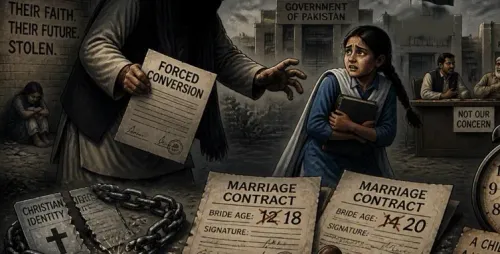
Women at Risk: Minority women face heightened threats of forced conversions and marriages.
Future Concerns: The future of Pakistan's social fabric is at stake if these issues remain unaddressed.
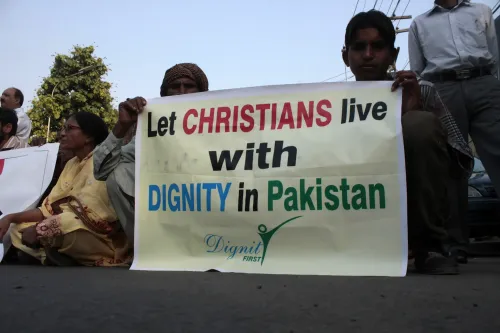
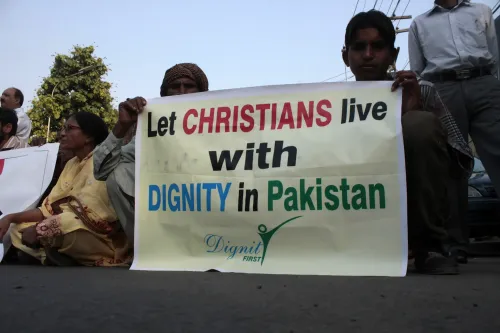
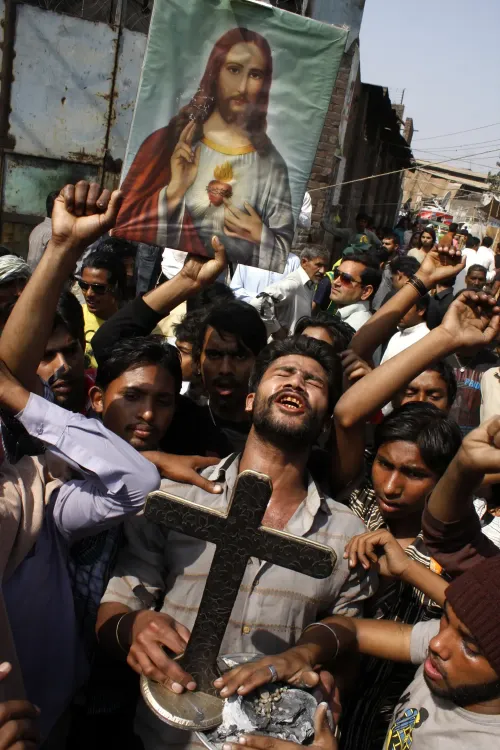
Washington, April 4 (NationPress) Pakistan has experienced a steady migration of its minority communities — encompassing Christians, Hindus, and various other groups — indicating a widespread atmosphere of fear and insecurity.
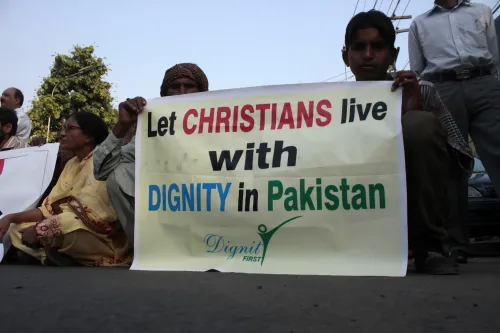
Since the partition in 1947, religious minorities have endured relentless atrocities throughout the nation, marked by social bias, institutional discrimination, and targeted violence, as outlined in a recent report.
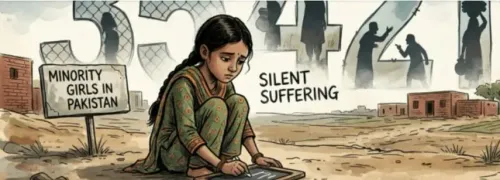
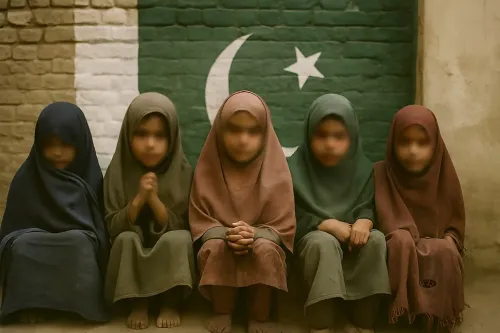
According to the US-based publication ‘Global Strat View,’ “In contemporary Pakistan, numerous minority girls are tormented by the thought that, despite their birthplace, they are not duly recognized as daughters of their homeland. The threat of forced conversions, early marriages, and unreliable legal safeguards make them doubt whether the constitution genuinely protects their rights — emphasizing that Pakistan’s commitment to equality remains unfulfilled for its minorities.”
Referring to earlier findings from Human Rights Watch (HRW) and Amnesty International, the report emphasized issues like “forced conversions, underage marriages, and the ineffective enforcement of laws.”
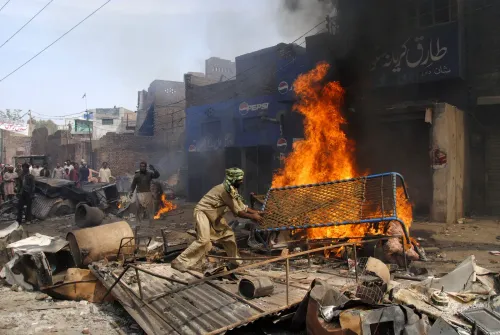
It noted that numerous instances of communal strife in Pakistan — such as the events in Shanti Nagar in 1997, Gojra, and Jaranwala — reveal a troubling pattern of delayed or insufficient accountability.
The report also highlighted a recent decision by Pakistan's Federal Constitutional Court regarding a young Christian girl, Maria Shahbaz, which showcased the existing vulnerabilities when the court upheld her marriage and dismissed a petition for her recovery.
“While the ruling is based on interpretations of personal and religious law, it has raised alarms among human rights defenders, as it illustrates how constitutional protections can falter when unevenly applied. This case epitomizes the broader insecurities many minorities experience: despite being citizens, they feel unable to trust the state to uphold their rights, safety, or dignity,” the report elaborated.
“Such vulnerabilities extend beyond individual situations. Minority women face heightened dangers, with estimates from the United Nations Human Rights Council and the Movement for Solidarity and Peace indicating hundreds of forced conversions and marriages each year. Although legal remedies theoretically exist, they are often hindered by administrative hold-ups, societal pressure, and systemic injustices. Paired with limited political representation and structural economic disparities, these elements cultivate a profound sense of uncertainty,” it continued.
The report posed critical questions about which groups would remain and who would shape the nation's future if religious minorities are driven out due to systemic failures in ensuring equality, safety, and dignity.
It asserted that Pakistan's credibility and resilience hinge upon its capacity to safeguard its most vulnerable citizens.
Unless issues surrounding constitutional rights and the inclusion of minorities are resolved, the report warned that “migration will persist—not merely as a choice, but as a reaction to systemic fear and exclusion.”
Point of View
It is crucial to recognize the plight of minority communities in Pakistan, who face systemic injustices and discrimination. The report underscores the need for urgent reforms to ensure equality and protect the rights of all citizens, regardless of their background. A nation’s strength lies in its ability to uplift and safeguard its most vulnerable members.
NationPress
20 Sept 2026
Frequently Asked Questions
What is causing the exodus of minorities from Pakistan?
The exodus is primarily driven by fear and insecurity stemming from persistent discrimination, violence, and inadequate legal protections for minorities.
Which minority groups are most affected?
The most affected groups include Christians, Hindus, and other religious minorities facing social prejudice and targeted violence.
What does the report say about legal protections?
The report highlights significant gaps in legal protections, illustrating how constitutional rights can be inconsistently applied, leaving minorities vulnerable.
Why is this issue important for Pakistan’s future?
The treatment of minority communities reflects the overall health of society; failure to protect these groups can lead to further instability and loss of national credibility.
What are some specific incidents mentioned in the report?
The report cites incidents of communal violence, including events in Shanti Nagar, Gojra, and Jaranwala, highlighting inadequate accountability.