Operation Hard Ball: FBI probe finds no India link in Nijjar killing, targets Bishnoi network
Synopsis
The FBI's 'Operation Hard Ball' has done what years of diplomatic back-and-forth could not: it has placed the Nijjar killing squarely at the feet of the Lawrence Bishnoi gang — not the Indian state. With Bishnoi and Goldy Brar now indicted by US authorities and the RCMP confirming no evidence of Indian government involvement, Canada's 2024 charges against four Indian nationals face a credibility crisis.
Key Takeaways
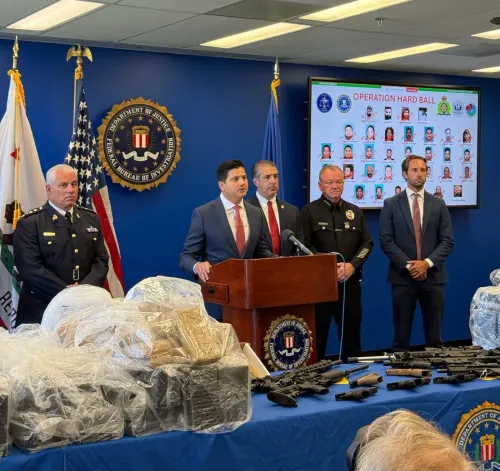
The FBI and partner agencies arrested more than 20 individuals under 'Operation Hard Ball' , targeting the Lawrence Bishnoi transnational criminal network.
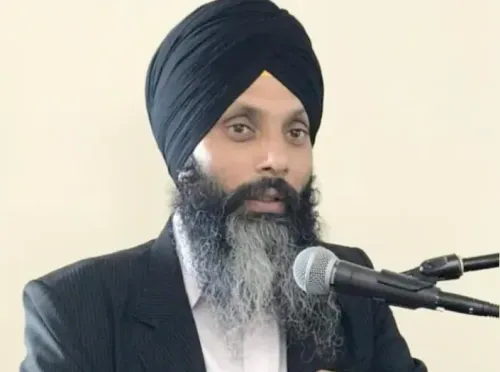
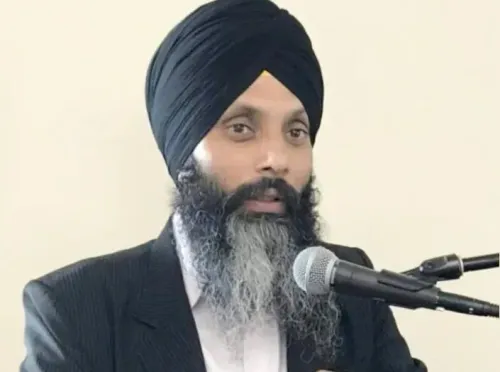
US and RCMP investigators found no evidence linking the Indian government to the killing of Hardeep Singh Nijjar .
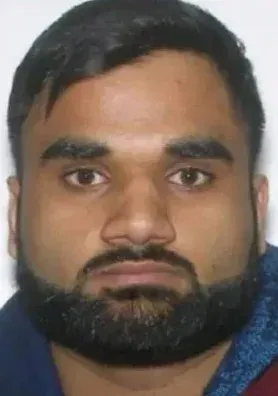
Lawrence Bishnoi and aide Goldy Brar have been charged by US authorities with ordering the hit on Nijjar.
Canada had detained and charged four Indian nationals for Nijjar's killing in 2024 — findings that officials say must now be reassessed.
RCMP Deputy Commissioner Lisa Moreland confirmed the probe is ongoing but that nothing has emerged to implicate Indian officials.
Prime Minister Narendra Modi is expected to visit Canada later this year to sign a trade agreement, reflecting a significant thaw in bilateral ties.
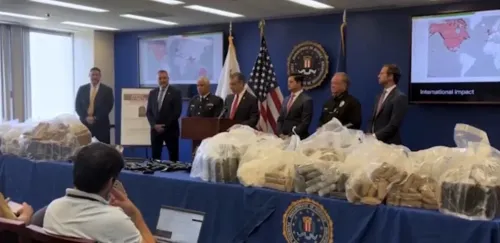
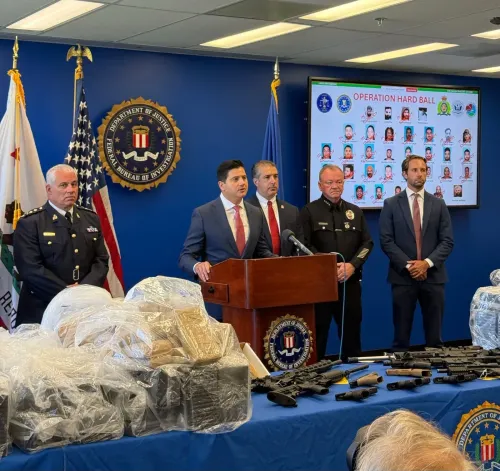
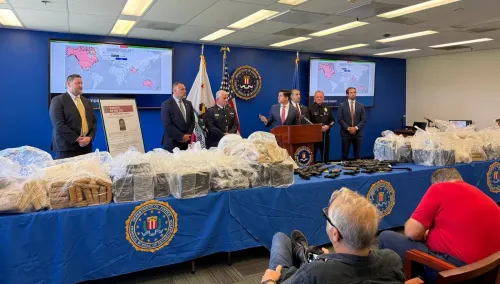
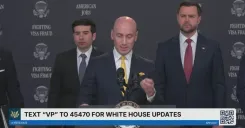
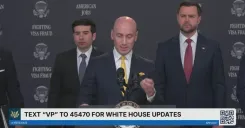
The Federal Bureau of Investigation (FBI) and partner law enforcement agencies in the United States have arrested more than 20 individuals in a sweeping crackdown codenamed 'Operation Hard Ball', targeting the Lawrence Bishnoi transnational criminal network — and, crucially, found no evidence linking the Indian government to the killing of Hardeep Singh Nijjar. The operation, announced on 9 July, has significant diplomatic implications for the long-strained relationship between India and Canada.
What Operation Hard Ball Found
The crackdown was aimed at dismantling key factions of the Bishnoi syndicate allegedly responsible for criminal activities spanning North America and India. Among the operation's most consequential findings: investigators concluded there was nothing to substantiate claims that Indian government agents had masterminded the murder of Nijjar, a Khalistani operative killed in Canada in 2023.
The Royal Canadian Mounted Police (RCMP), which served as co-lead alongside the FBI, echoed this assessment. RCMP Deputy Commissioner Lisa Moreland, when asked directly about former Prime Minister Justin Trudeau's allegations against Indian officials, confirmed that the probe is ongoing but that nothing has emerged to link the Indian government to the crimes.
US authorities have separately charged Lawrence Bishnoi and his aide Goldy Brar with ordering the hit on Nijjar — a finding that, according to officials, brings into serious question the direction of Canada's own 2024 investigation.
India's Position Vindicated, Officials Say
Indian officials have long maintained that Nijjar's killing was the outcome of gang rivalry, not a state-sanctioned operation. According to officials, the US findings validate that position and should put an end to what they described as a prolonged blame game.
In 2023, Trudeau publicly alleged that Indian authorities were involved in Nijjar's killing — a charge New Delhi categorically denied. The accusation triggered one of the worst diplomatic ruptures between the two countries in recent memory, resulting in the expulsion of senior diplomatic staff from both sides. Ottawa went so far as to name Indian High Commissioner Sanjay Verma as a person of interest in the Canadian probe.
Canada had also detained and charged four Indian nationals for Nijjar's killing in 2024. Officials now argue those charges must be reassessed in light of the US indictment of Bishnoi and Brar.
India-Canada Ties: A Cautious Thaw
The diplomatic climate has shifted considerably since Trudeau's departure. With Mark Carney assuming leadership in Canada, bilateral relations have warmed. Carney visited India earlier this year, and both governments pledged cooperation on several fronts — most notably on countering the Khalistan movement.
Prime Minister Narendra Modi is expected to visit Canada later this year to sign a trade agreement, a development that would have been unthinkable at the height of the diplomatic crisis. Security agencies from both countries are reportedly working in tandem on intelligence sharing and tracking elements linked to the Khalistan movement.
The Khalistan Dimension
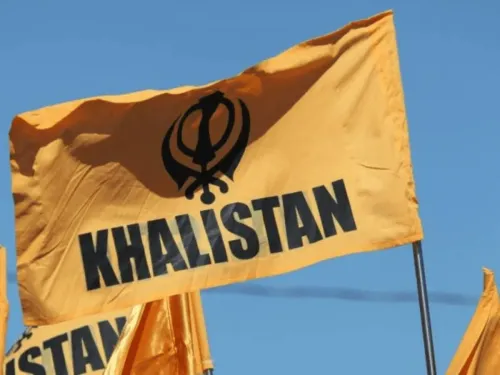
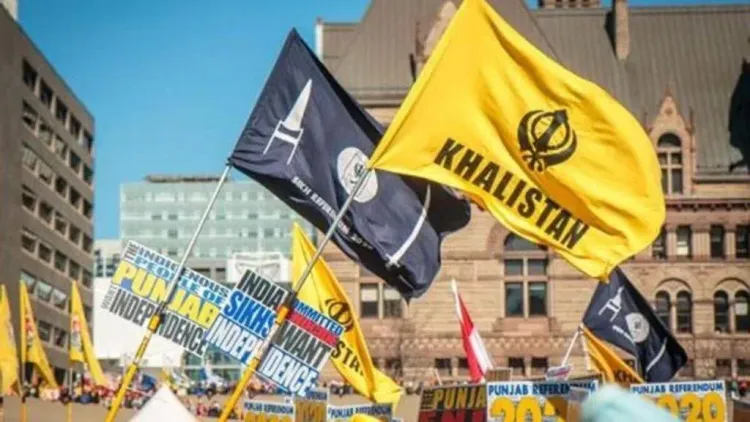
New Delhi has consistently argued that the Khalistan movement poses a security threat not only to India but to Canada itself — a position that Ottawa appears to have increasingly accepted. For years, Khalistani groups used Canadian soil to organise referendums and push for a separate nation carved out of Punjab, reportedly with backing from Pakistan's Inter-Services Intelligence (ISI).
Canada has since introduced a series of measures to curb Khalistan-linked activities. Despite repeated attempts to revive the movement, it has reportedly failed to gain significant traction within Punjab. Officials said the deepening India-Canada security cooperation is expected to further weaken the movement's operational capacity.
What Comes Next
The RCMP has indicated the investigation remains ongoing, leaving open the possibility of further charges or findings. The US indictment of Bishnoi and Brar, however, has already reframed the central narrative — shifting focus from alleged state actors to a transnational criminal gang. How Canada reconciles its 2024 charges against four Indian nationals with the US findings is likely to be the next critical test of the still-fragile bilateral relationship.
Point of View
Which were built on a state-actor theory that US investigators have now effectively dismantled. The more uncomfortable question is why Canada's RCMP, co-leading the same joint operation, allowed the Trudeau government's public accusations against Indian officials to go unchallenged for so long. The diplomatic damage — expelled envoys, a named High Commissioner, and a near-complete breakdown in ties — was enormous. As Modi prepares to visit Ottawa for a trade deal, the episode is a reminder that premature attribution in transnational crime cases carries serious geopolitical costs.
NationPress
8 Oct 2026
Frequently Asked Questions
What is Operation Hard Ball and what did it find?
Operation Hard Ball is a joint FBI and RCMP crackdown that arrested more than 20 members of the Lawrence Bishnoi transnational criminal network. Critically, investigators found no evidence that the Indian government was involved in the killing of Hardeep Singh Nijjar, directly contradicting earlier Canadian allegations.
Who has been charged with ordering the killing of Hardeep Singh Nijjar?
US authorities have charged Lawrence Bishnoi and his aide Goldy Brar with ordering the hit on Nijjar. This indictment shifts the central theory of the case from alleged Indian state involvement to gang-ordered violence.
What did the RCMP say about India's role in the Nijjar killing?
RCMP Deputy Commissioner Lisa Moreland confirmed that the investigation is ongoing but that nothing has emerged to link the Indian government to the crimes. The RCMP served as co-lead alongside the FBI in Operation Hard Ball.
How has the Nijjar case affected India-Canada relations?
Former Prime Minister Justin Trudeau's 2023 allegations triggered a severe diplomatic rupture — both countries expelled senior diplomatic staff, and Canada named Indian High Commissioner Sanjay Verma as a person of interest. Relations have since improved under Prime Minister Mark Carney, who visited India earlier this year.
What happens to the four Indian nationals Canada charged in 2024?
Canada detained and charged four Indian nationals for Nijjar's killing in 2024. Officials now argue those charges must be reassessed in light of the US indictment of Bishnoi and Brar, which attributes the killing to gang orders rather than state direction.