US-Canada tariff war: 50% duties hit $28bn goods after talks collapse
Synopsis
Trade talks between Washington and Ottawa collapsed on 22 August, triggering 50% US tariffs on $28 billion in Canadian goods and an immediate Canadian pledge to match them dollar for dollar. With PM Carney pulling his team from Washington and accusing the US of last-minute bad faith, and the US Trade Representative firing back, both sides are now locked in an escalating standoff that threatens one of the world's most integrated bilateral trade relationships.
Key Takeaways
The US imposed 50% tariffs on approximately $28 billion in Canadian goods on 22 August after last-minute trade talks in Washington collapsed.
Canadian Prime Minister Mark Carney suspended negotiations and ordered his team home, accusing the US of changing terms at the last minute.
Canada pledged dollar-for-dollar retaliatory tariffs to protect Canadian workers and businesses.
The US Trade Representative blamed Canada, saying Ottawa introduced new demands and walked back earlier commitments.
Canada has provided nearly $25 billion in support to affected workers and businesses over the previous 18 months , with more relief pledged.
US Senator Peter Welch urged President Trump to withdraw the tariffs, calling them a blow to American border-state businesses and farms.
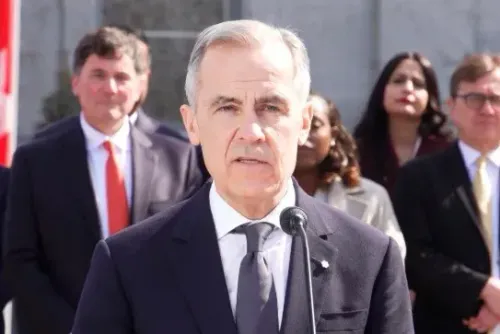
A major trade confrontation between the United States and Canada escalated sharply on Saturday, 22 August after last-minute negotiations in Washington broke down, triggering 50% US tariffs on approximately $28 billion in Canadian goods and a pledge of dollar-for-dollar retaliation from Ottawa. Canadian Prime Minister Mark Carney suspended the talks and ordered his negotiating team to leave Washington, accusing the US side of altering proposed terms at the eleventh hour.
How the Talks Collapsed
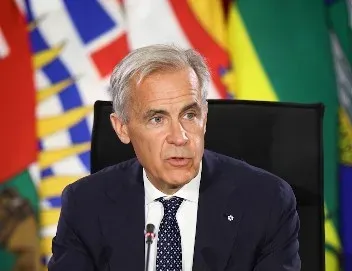
Prime Minister Carney said the breakdown was precipitated by unilateral changes to the American negotiating position. 'Last-minute changes in the U.S. proposed terms were unfair, uneconomic, and called into question the reliability of any deal,' he said. Canada had sought tariff-free access for most Canadian businesses, greater bilateral trade stability, lower US tariffs on strategic industries, and protections for small and medium-sized enterprises — all while retaining its economic independence.
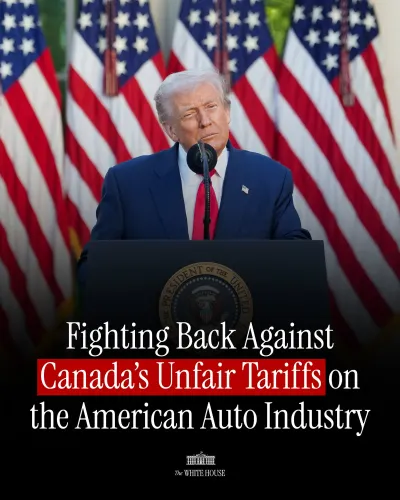
The Office of the US Trade Representative offered a sharply different account, blaming Ottawa for the impasse. It said Canada had declined to finalise an agreement under terms already reached earlier in the week, introducing new demands and walking back prior commitments. 'Despite the US offer to Canada to receive the best treatment of any major exporter to our market, new demands and walk backs of other commitments by Canada have upended the careful balance reached in the past days,' the office said.
What the US Offer Included
According to the US Trade Representative, Washington's proposal included significant tariff reductions covering steel, aluminium, automobiles, and lumber. It also proposed bilateral cooperation on export controls, transshipment, digital trade, critical minerals, and goods produced with forced labour. The package would have encompassed supply-chain coordination in aerospace and the launch of formal renegotiation talks over the United States-Mexico-Canada Agreement (USMCA).
The US side framed the missed agreement as a strategic loss for Canada. 'This is a missed opportunity for Canada to partner with the United States, which is the fastest growing economy in the G7,' the Trade Representative's office said.
Canada's Response and Relief Measures
Prime Minister Carney confirmed that Canada would impose matching retaliatory tariffs. 'At midnight tonight, the US intends to impose a 50% tariff on roughly $28 billion of Canadian goods. Canada will match those tariffs dollar for dollar to protect our workers and businesses,' he said. He added that his government would announce further assistance for Canadian workers and businesses within days, building on nearly $25 billion in support already provided over the previous 18 months.
Carney also signalled a broader recalibration in the bilateral relationship. 'We have recognised from the beginning that America has changed, and that we will not return to our old relationship,' he said, adding that Ottawa's objective had always been to secure the best deal for Canadians — 'never a deal at any price or on any deadline.'
US Political Pushback
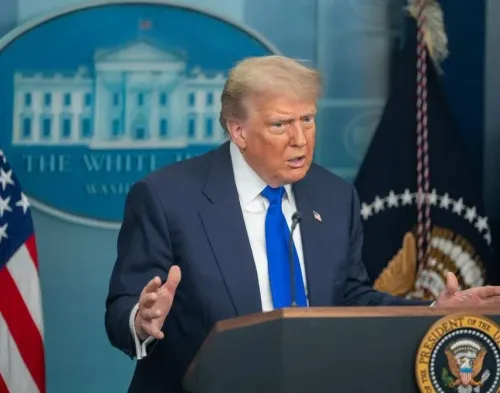
The tariffs drew immediate criticism from within the United States. Senator Peter Welch, a Vermont Democrat and member of the Senate Finance Committee, urged President Donald Trump to withdraw the measures. 'These new 50% tariffs on Canadian goods are a continuation of the president's chaotic economic policies, and a slap in the face to businesses and farmers in Vermont and northern border states across America,' Welch said.
Welch is the lead sponsor of the Creating Access to Necessary American-Canadian Duty Adjustments Act, which would exempt American-owned small businesses from Canada-related tariffs. He also backs the bipartisan Trade Review Act, which seeks to restore Congress's role in trade policy.
Broader Context and What Comes Next
The latest escalation compounds an already strained bilateral relationship. Earlier US duties on automobiles, metals, and forest products had already prompted Canadian retaliatory measures. President Trump's repeated suggestions that Canada could become the 51st US state have further inflamed Canadian public opinion and accelerated calls in Ottawa to diversify away from US economic dependence.
This is not an isolated episode — it is the latest chapter in a pattern of trade friction that has steadily eroded one of the world's most integrated bilateral economic relationships. With both sides now locked into retaliatory postures and formal USMCA renegotiation off the table for now, the path to de-escalation remains unclear.
Point of View
And this breakdown is less a surprise than a culmination. What is striking is Carney's explicit statement that Canada will not return to its 'old relationship' with the US — language that signals a deliberate pivot toward trade diversification, not just a negotiating posture. The USMCA, once the centrepiece of North American economic integration, is now effectively on ice. For a bilateral relationship worth hundreds of billions of dollars annually, the absence of any de-escalation mechanism is the most alarming detail mainstream coverage is underplaying.
NationPress
22 Aug 2026
Frequently Asked Questions
Why did US-Canada trade talks collapse on 22 August?
Negotiations broke down after Canadian Prime Minister Mark Carney accused the US of altering its proposed terms at the last minute, calling the changes 'unfair and uneconomic.' The US Trade Representative countered that Canada introduced new demands and walked back earlier commitments, preventing finalisation of a deal.
What tariffs has the US imposed on Canada?
The US imposed 50% tariffs on approximately $28 billion worth of Canadian goods, effective from midnight on 22 August. The measures follow earlier US duties on Canadian automobiles, metals, and forest products.
How is Canada retaliating?
Canada has pledged to match US tariffs dollar for dollar. Prime Minister Carney also announced that additional financial assistance for Canadian workers and businesses will be unveiled in the coming days, building on nearly $25 billion in support already provided over the previous 18 months.
What was included in the US trade offer that Canada rejected?
According to the US Trade Representative, the offer included significant tariff reductions on steel, aluminium, automobiles, and lumber, plus cooperation on digital trade, critical minerals, and forced-labour imports. It also proposed supply-chain coordination in aerospace and formal USMCA renegotiation talks.
Who is Senator Peter Welch and why is he opposing the tariffs?
Peter Welch is a Vermont Democrat and member of the Senate Finance Committee who represents a northern border state heavily dependent on US-Canada trade. He has called the 50% tariffs 'chaotic' and harmful to American businesses and farms, and is urging President Trump to withdraw them. He sponsors legislation that would exempt American-owned small businesses from Canada-related tariffs.