US-Canada trade talks collapse; 50% tariffs loom on $28 billion in goods
Synopsis
Canada has walked away from trade talks with the United States after Washington proposed last-minute terms Ottawa called ‘unfair and uneconomic.’ With 50 per cent US tariffs targeting $28 billion in Canadian goods and Ottawa promising a dollar-for-dollar response, this is the most serious rupture in US-Canada trade relations in decades — and PM Carney is betting Canada’s economic diversification can absorb the blow.
Key Takeaways
US-Canada trade negotiations collapsed on 22 August after last-minute US proposals were rejected by Ottawa as “unfair and uneconomic.” The White House announced 50 per cent tariffs on approximately $28 billion of Canadian imports, effective midnight.
PM Mark Carney confirmed Canada will impose matching retaliatory tariffs dollar for dollar.
Ottawa has recalled its trade negotiators and suspended talks with Washington .
Canada has provided nearly $25 billion in economic support over the past 18 months ; additional measures are expected imminently.
Carney cited Canada’s job creation rate as running at four times that of the US, and FDI at its highest in two decades .
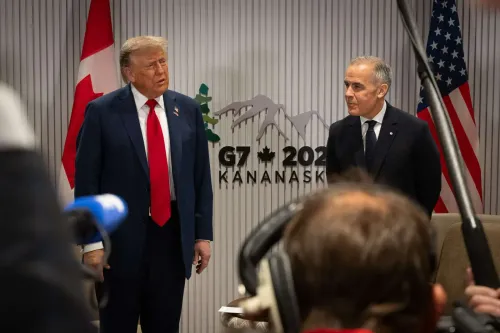
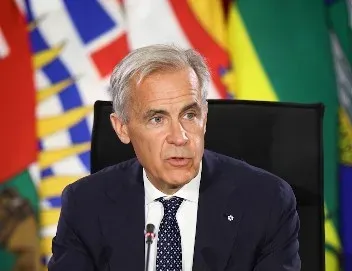
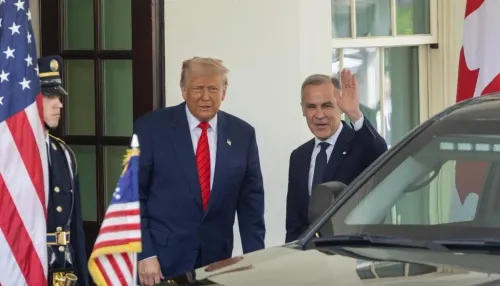
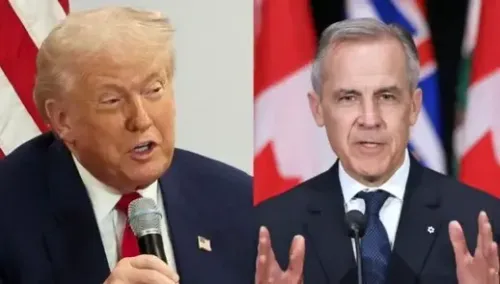
Canada and the United States failed to reach a trade agreement on 22 August, with the White House announcing it would impose 50 per cent tariffs on approximately $28 billion worth of Canadian imports. Canadian Prime Minister Mark Carney confirmed that Ottawa has suspended negotiations and recalled its trade negotiators, signalling a sharp escalation in the bilateral trade standoff.
Why Talks Broke Down
Carney said last-minute changes proposed by the US side were deemed “unfair, uneconomic” and “called into question the reliability of any deal.” The breakdown came despite weeks of negotiations aimed at averting a tariff confrontation between the two largest trading partners in North America.
Ottawa's decision to recall its negotiators marks a significant diplomatic rupture. This is not a routine pause — Canada is signalling it will not accept terms it considers structurally disadvantageous, regardless of the short-term economic cost.
Canada's Retaliatory Measures
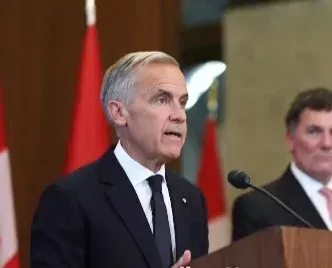
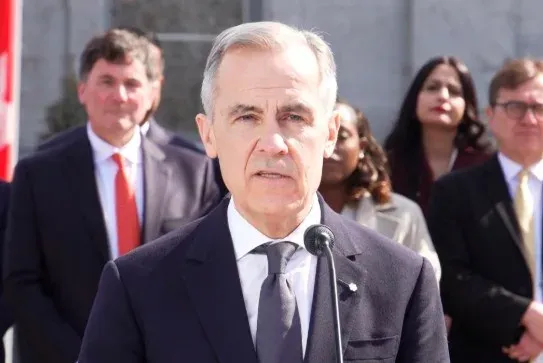
“At midnight tonight, the US intends to impose a 50 per cent tariff on roughly $28 billion of Canadian goods. Canada will match those tariffs dollar for dollar to protect our workers and businesses,” Carney said in a formal statement.
He added that the government will introduce additional support measures for Canadian workers and businesses in the coming days, building on the nearly $25 billion in economic support already provided over the past 18 months.
Carney's Economic Argument
The Canadian Prime Minister framed the dispute within a broader economic confidence narrative, asserting that Canada's economy is creating jobs at “four times the rate of the United States.” He said exports to non-US markets are on track to “double over the next decade,” and that foreign direct investment in Canada is “at its highest level in two decades, running at twice the rate of our nearest G7 competitor.”
Carney also stated that Canada “now ranks as the most attractive country in the world for infrastructure investment,” citing these indicators as evidence that Ottawa can withstand US economic pressure.
Ottawa's Strategic Pivot
“From day one, we have been focused on building our strength at home and diversifying our partnerships abroad,” Carney said, framing the tariff crisis as an accelerant rather than a setback to Canada's long-term economic strategy.
He projected that Canada is on course to record the second-fastest growth in the G7 over the next two years. The statement closed with a pointed assertion of sovereignty: “Canada has what the world wants. And we will not allow any nation to determine our future. We will set our own course to keep building Canada strong for all.”
What Happens Next
The 50 per cent US tariffs are set to take effect from midnight, with Canada's matching retaliatory tariffs expected to follow simultaneously. Additional Ottawa support measures for affected industries are expected to be unveiled in the coming days. Whether Washington and Ottawa return to the negotiating table — and on whose terms — now becomes the central question for both governments and markets.
Point of View
FDI, G7 growth rankings — is designed to project resilience, but the $28 billion in targeted goods will hit specific Canadian industries hard before any diversification dividend materialises. The deeper question is whether Washington views this escalation as a negotiating tactic or a genuine decoupling signal, because the answer will determine how long this standoff lasts.
NationPress
6 Oct 2026
Frequently Asked Questions
Why did US-Canada trade talks collapse?
Talks collapsed on 22 August after the US side proposed last-minute changes that Canada deemed “unfair, uneconomic” and that “called into question the reliability of any deal,” according to PM Mark Carney. Ottawa responded by suspending negotiations and recalling its negotiators to Ottawa.
What tariffs is the US imposing on Canada?
The White House announced a 50 per cent tariff on approximately $28 billion worth of Canadian goods, set to take effect from midnight on 22 August. Canada has pledged to match those tariffs dollar for dollar.
How is Canada retaliating against US tariffs?
Canada will impose matching retaliatory tariffs on US goods, dollar for dollar. PM Carney also said the government will announce additional support measures for Canadian workers and businesses in the coming days, on top of nearly $25 billion already provided over the past 18 months.
What is Canada’s economic position amid the trade dispute?
PM Carney argued Canada is well-positioned to weather the standoff, citing job creation running at four times the US rate, foreign direct investment at a two-decade high, and a projected second-fastest G7 growth rate over the next two years. He also said exports to non-US markets are on track to double over the next decade.
What happens next in the US-Canada trade standoff?
The 50 per cent US tariffs and Canada’s matching response are set to take effect from midnight on 22 August. Ottawa is expected to unveil additional industry support measures within days. Whether formal negotiations resume — and under what conditions — remains uncertain.