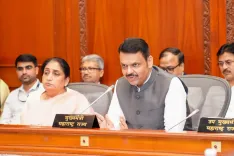
Piyush Goyal pushes India-UK, India-Australia trade ties at G20 Milwaukee
Synopsis
At the G20 Trade Ministers' Meeting in Milwaukee, Commerce Minister Piyush Goyal pushed to double India-UK trade under the freshly enforced CETA and simultaneously fast-track a deeper India-Australia CECA — with critical minerals, pharma and agri-tech on the table. The twin engagements signal India is treating G20 sidelines as a live negotiating floor, not just a photo opportunity.
Key Takeaways
Piyush Goyal held bilateral meetings with UK and Australian trade ministers at the G20 Trade Ministers' Meeting in Milwaukee on 1 October 2026 .
The India-UK CETA has been in force since 15 July 2026 ; both sides discussed doubling bilateral trade.
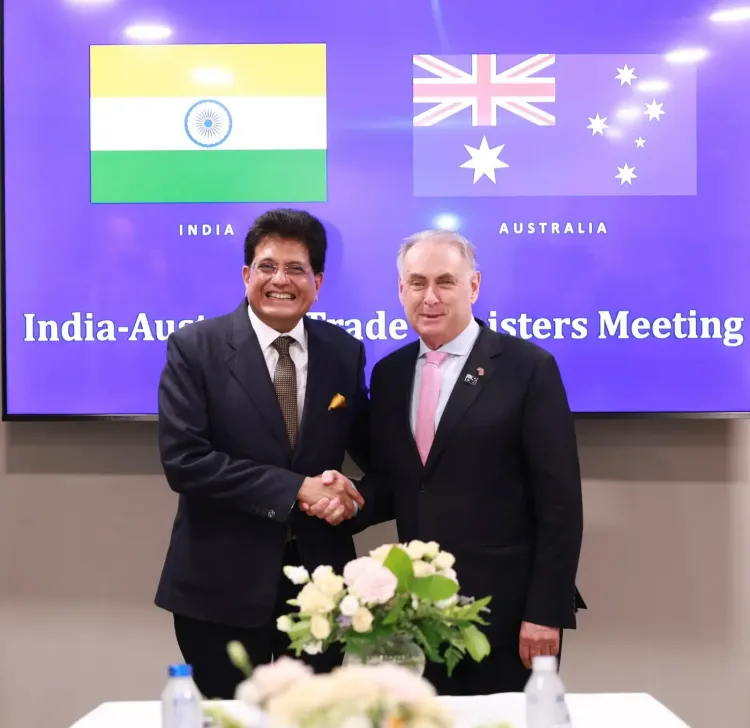
Goyal and Australian Minister Senator Don Farrell discussed expediting the India-Australia CECA and reviewed progress on the existing ECTA .
Key sectors in the India-Australia talks: pharmaceuticals , services , investment , agri-tech , and critical minerals .
India is pushing Indian businesses to fully leverage duty-free access to the Australian market under ECTA.
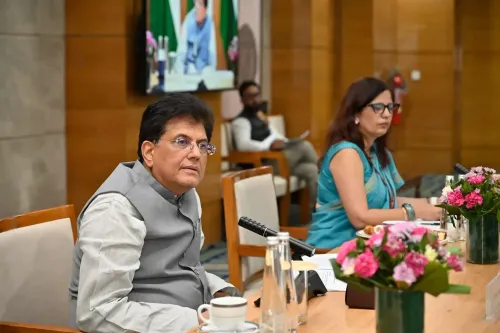
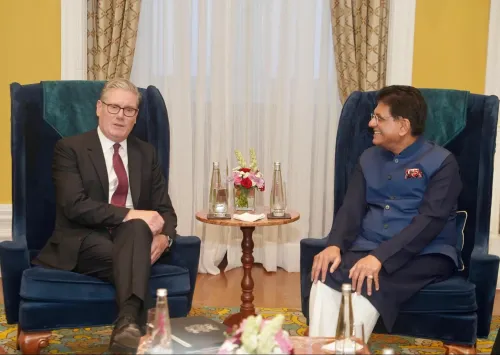
Commerce and Industry Minister Piyush Goyal on Thursday, 1 October 2026, held separate bilateral meetings with his UK and Australian counterparts on the sidelines of the G20 Trade Ministers' Meeting in Milwaukee, pressing for faster expansion of India's trade ties with both nations. The engagements placed India's existing and proposed trade agreements firmly at the centre of its multilateral trade diplomacy.
India-UK Trade: Doubling Bilateral Flows
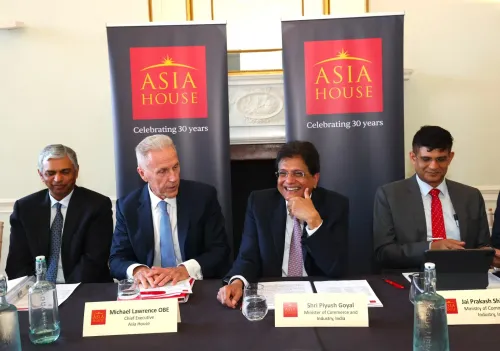
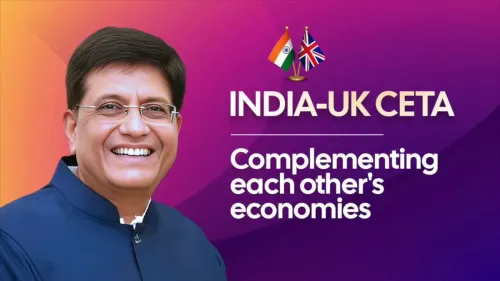
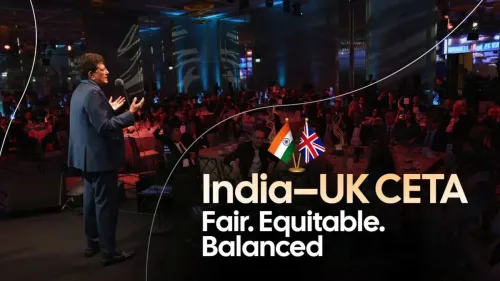
Goyal met UK Secretary of State for Business, Innovation, Science and Trade Jonathan Reynolds to review the implementation of the India-UK Comprehensive Economic and Trade Agreement (CETA), which entered into force on 15 July 2026. The two sides discussed measures to unlock the full potential of the pact and work towards doubling bilateral trade.
'Reviewed the implementation of the India-UK CETA, in force since 15th July 2026, and discussed ways to unlock its full potential and double bilateral trade,' Goyal said in a post on X after the meeting. The talks focused on translating the agreement's provisions into tangible commercial flows — a challenge that often follows the signing of comprehensive trade pacts.
India-Australia Talks: Two-Track Agenda
Goyal also met Australian Minister for Trade and Tourism Senator Don Farrell, covering two distinct tracks. The first centred on implementing the existing India-Australia Economic Cooperation and Trade Agreement (ECTA) and ensuring Indian businesses fully leverage available duty-free access to the Australian market. The second involved expediting negotiations on the proposed India-Australia Comprehensive Economic Cooperation Agreement (CECA), which would deepen the economic relationship beyond the current pact.
'Discussed expediting the India-Australia Comprehensive Economic Cooperation Agreement and key areas of collaboration across pharmaceuticals, services, investment, agri-tech and critical minerals,' Goyal said.
Key Sectors in Focus
The Australia discussions spanned pharmaceuticals, services, investment, agri-tech, and critical minerals — a selection that reflects India's broader economic priorities. Pharmaceuticals and services are among the most significant export categories for Indian businesses, while critical minerals have risen sharply in strategic importance globally, underpinning advanced manufacturing and clean-energy supply chains.
Notably, critical minerals cooperation has become a recurring theme in India's bilateral engagements with resource-rich partners such as Australia, as New Delhi seeks to reduce supply-chain vulnerabilities in sectors from electric vehicles to semiconductors.
G20 Sidelines as Trade Diplomacy Platform
The dual meetings underscored how India is using the G20 ministerial format to advance bilateral trade objectives alongside multilateral ones. This is consistent with a broader pattern of deploying G20 sideline meetings for substantive trade negotiations, particularly as progress in formal WTO-level forums remains slow.
With the India-UK CETA already in force and the India-Australia CECA still under negotiation, the Milwaukee engagements signal that New Delhi is focused on both implementation quality and expanding the scope of existing agreements. The next set of CECA negotiating rounds between India and Australia is expected to follow this ministerial push.
Point of View
India-Australia ECTA), while simultaneously pushing for deeper agreements (India-Australia CECA). The gap between signing trade pacts and actually moving trade volumes is where most such agreements stall — and Goyal's emphasis on 'unlocking full potential' and 'ensuring Indian businesses leverage duty-free access' suggests New Delhi is aware of that risk. Critical minerals is the sleeper issue here: as global supply chains for clean energy and advanced manufacturing tighten, India's ability to lock in Australian mineral access could matter more than any tariff schedule in a conventional goods agreement.
NationPress
2 Oct 2026
Frequently Asked Questions
What did Piyush Goyal discuss at the G20 Trade Ministers' Meeting in Milwaukee?
Commerce and Industry Minister Piyush Goyal held separate meetings with the UK's Secretary of State Jonathan Reynolds and Australia's Trade Minister Senator Don Farrell on 1 October 2026, focusing on implementing existing trade agreements and advancing new ones. With the UK, the talks centred on doubling bilateral trade under the CETA; with Australia, on fast-tracking the CECA and leveraging the ECTA's duty-free provisions.
What is the India-UK CETA and when did it come into force?
The India-UK Comprehensive Economic and Trade Agreement (CETA) is a bilateral trade pact between India and the United Kingdom. It entered into force on 15 July 2026, and both governments are now focused on translating its provisions into increased commercial flows.
What is the India-Australia CECA and how does it differ from the ECTA?
The India-Australia Comprehensive Economic Cooperation Agreement (CECA) is a proposed deeper trade deal still under negotiation, covering areas such as pharmaceuticals, services, investment, agri-tech and critical minerals. The existing India-Australia Economic Cooperation and Trade Agreement (ECTA) is already in force and provides duty-free access to the Australian market for many Indian goods.
Why are critical minerals a priority in India-Australia trade talks?
Critical minerals — used in electric vehicles, semiconductors, clean energy and advanced manufacturing — have become strategically vital globally. Australia is a major supplier, and India is seeking to secure reliable access to reduce supply-chain vulnerabilities in these fast-growing sectors.
What happens next after the Milwaukee G20 meetings?
Following Goyal's push in Milwaukee, further rounds of India-Australia CECA negotiations are expected, while both India and the UK will work on measures to boost commercial flows under the already-enforced CETA. The G20 ministerial engagements are expected to set the agenda for these follow-up talks.