Goyal Pitches India-UK Trade Deal as Complementary Partnership
Synopsis
Commerce Minister Piyush Goyal on 26 June 2026 publicly promoted the India-UK Comprehensive Economic and Trade Agreement, calling it a partnership of complementary economies. Negotiations, formally launched in January 2022, cover goods, services, pharmaceuticals and textiles, with both sides seeking to capitalise on post-Brexit trade openings.
Key Takeaways
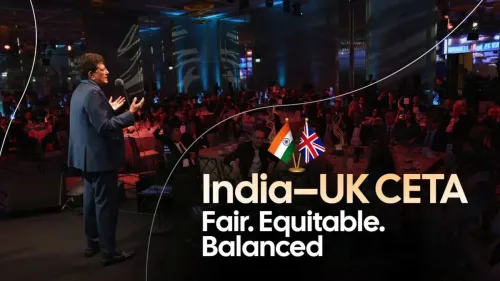
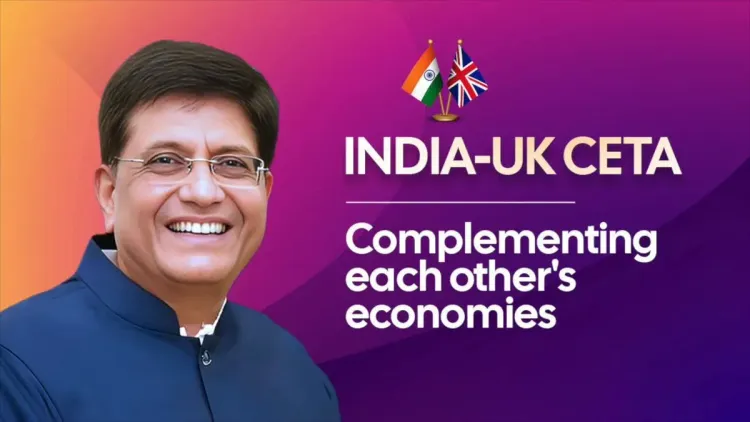
Union Commerce and Industry Minister Piyush Goyal shared a video on 26 June 2026 promoting the India-UK Comprehensive Economic and Trade Agreement .
He framed the deal as one between 'complementing each other's economies', signalling continued political momentum on the Indian side.
Formal India-UK free trade negotiations were launched in January 2022 and remain ongoing.
India completed trade agreements with the UAE and Australia in 2022 ; the UK deal is a key next step in its bilateral trade strategy.
Key sectors in focus include pharmaceuticals, textiles, IT services from India and financial and professional services from the UK.
A concluded agreement would be one of India's most significant trade pacts with a major developed economy.
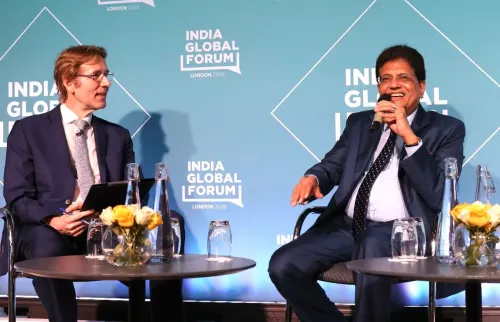
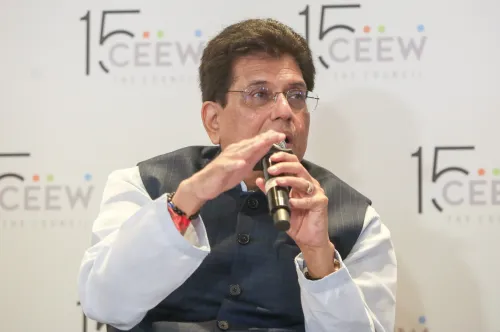
Union Commerce and Industry Minister Piyush Goyal on Friday, 26 June 2026 shared a video message on X framing the proposed India-UK Comprehensive Economic and Trade Agreement (CETA) as a partnership of complementary economies, signalling renewed momentum behind the long-running bilateral trade negotiations.
Context
Goyal's post — captioned 'India-UK Comprehensive Economic and Trade Agreement: Complementing each other's economies' — accompanied a video that he shared publicly, positioning the deal not as competition but as a structural fit between two distinct economic strengths. The framing of 'complementing each other's economies' suggests an emphasis on sectors where the two countries are naturally aligned rather than rivalrous.
India brings scale in goods manufacturing, pharmaceuticals, textiles and a large services workforce; the United Kingdom brings financial services, advanced technology, higher education and a post-Brexit appetite for independent trade arrangements with major partners.
Policy Backdrop
Formal negotiations for an India-UK free trade agreement were launched in January 2022, making it one of the longest-running active trade talks India has pursued in recent years. The talks have progressed through multiple rounds covering goods tariffs, services access, investment protections and intellectual property.
India's broader trade strategy has been to diversify its export partnerships, having already concluded agreements with the UAE and Australia in 2022. The UK deal is seen as a significant addition to this arc, particularly given the historical economic, diaspora and institutional links between the two nations. Piyush Goyal, as the minister overseeing these negotiations, has been the principal interlocutor on the Indian side.
Post-Brexit, the UK has been actively seeking independent free trade agreements outside the EU framework, and India — with its large consumer market and growing middle class — has been a priority partner in that effort.
Stakeholders and Impact
Indian exporters in sectors such as textiles, garments, leather goods, pharmaceuticals and IT services stand to benefit from reduced tariffs and improved market access in the UK. UK service firms, particularly in finance, professional services and education, are looking for easier entry into the Indian market.
The Indian diaspora in the UK — one of the largest and most economically active in the country — adds a social dimension to the trade relationship, with mobility and professional recognition provisions among the sensitive topics in the negotiations. Pharmaceutical exports and data-localisation norms have also been reported as points requiring careful calibration.
For Indian manufacturers, a concluded CETA could open a significant developed-market destination with lower duties, particularly as global supply chains are being restructured and India positions itself as an alternative manufacturing hub.
What's Next
The outstanding negotiation chapters — including the most sensitive areas of market access and intellectual property — will need to be concluded before the agreement can move toward any formal signing or parliamentary ratification process. Goyal's public communication on the deal indicates that the political will on the Indian side remains active.
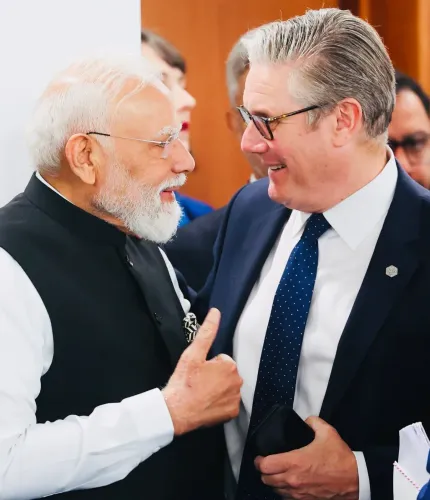
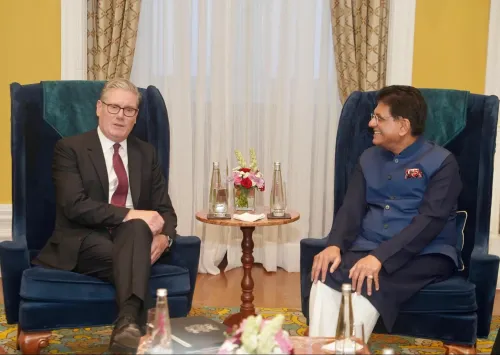
A concluded India-UK CETA would mark one of India's most significant bilateral trade agreements with a major developed economy and could set a template for future engagements with other post-Brexit partners. Observers will watch for any joint ministerial statements or a formal announcement of a concluded negotiation in the weeks ahead.
Point of View
By nature, slow-moving and technical. By framing the two economies as 'complementary', the minister is pre-empting domestic criticism that the deal could expose Indian industries to unfair competition — a concern that has periodically surfaced in the textile and dairy sectors. The timing, more than four years after negotiations began in January 2022, suggests an effort to signal progress or renewed urgency. For India's broader trade diplomacy, a concluded UK deal would add a major developed-economy partner to a portfolio that so far leans heavily on the Gulf and Indo-Pacific.
NationPress
25 Sept 2026
Frequently Asked Questions
What is the India-UK Comprehensive Economic and Trade Agreement?
The India-UK Comprehensive Economic and Trade Agreement (CETA) is a proposed bilateral free trade pact aimed at reducing tariffs and expanding market access for goods and services between India and the United Kingdom. Negotiations were formally launched in January 2022.
When did India-UK free trade agreement talks begin?
Formal negotiations for the India-UK free trade agreement were launched in January 2022, making it one of the longest-running active trade negotiations India has been engaged in.
What sectors does the India-UK trade deal cover?
The deal is expected to cover pharmaceuticals, textiles, garments and IT services on the Indian side, while the UK is seeking greater access for financial services, professional services and education institutions in the Indian market.
Who is negotiating the India-UK trade deal for India?
Union Commerce and Industry Minister Piyush Goyal is the principal minister overseeing India's trade negotiations, including with the United Kingdom.
Has the India-UK trade agreement been signed?
As of June 2026, the India-UK Comprehensive Economic and Trade Agreement has not been confirmed as signed or concluded. Negotiations across multiple chapters, including goods tariffs, services and intellectual property, are ongoing.