Goyal: India-UK Trade Pact a 'Force Multiplier' for Global Economy
Synopsis
Commerce Minister Piyush Goyal on 25 June 2026 declared the proposed India-UK Comprehensive Economic and Trade Agreement a 'force multiplier' for the global economy, reaffirming New Delhi's commitment to the bilateral pact during UKIndiaWeek2026 and underscoring India's wider strategy of bilateral trade diversification.
Key Takeaways
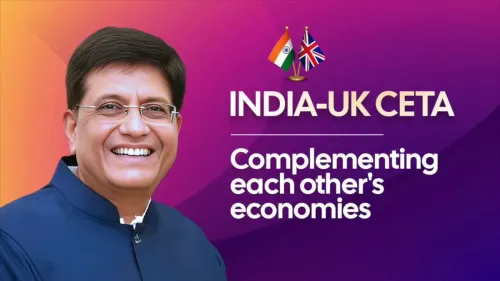
Piyush Goyal described the India-UK Comprehensive Economic and Trade Agreement as a 'force multiplier' for the global economy on 25 June 2026 .
The remarks were made in the context of UKIndiaWeek2026 , the annual bilateral business and cultural promotion platform.
India-UK free trade negotiations were launched in January 2022 under PM Narendra Modi and then-UK PM Boris Johnson .
The proposed pact aims to cut tariffs, expand services access, and strengthen supply chains between the two economies.
The UK deal is part of India's broader post-RCEP strategy of bilateral agreements, which already includes deals with the UAE and Australia .
Key beneficiaries include Indian exporters in textiles, pharma, and engineering, and UK service-sector firms.
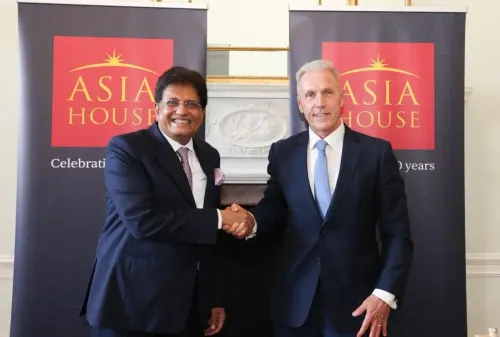
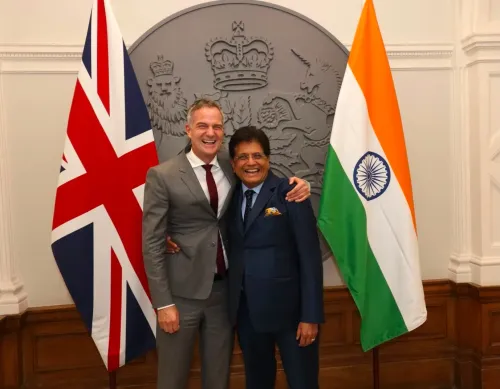
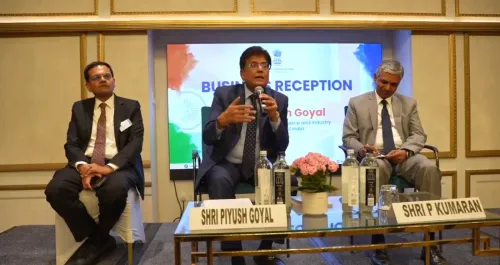
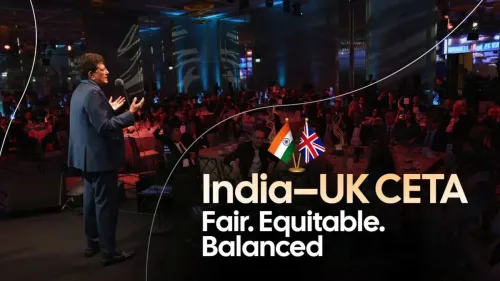
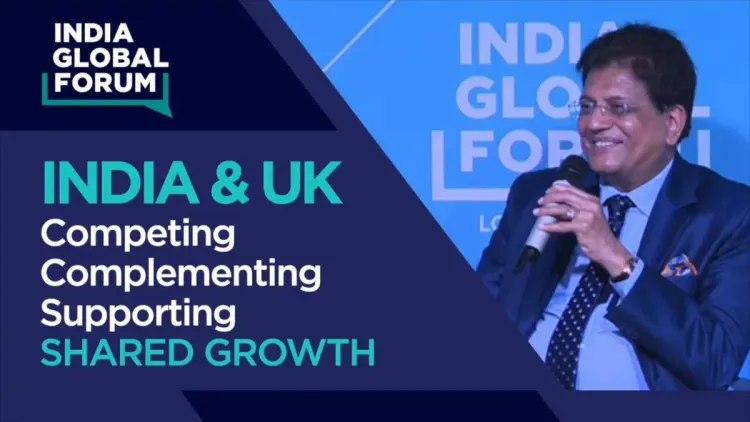
Union Commerce and Industry Minister Piyush Goyal on Thursday, 25 June 2026, described the proposed India-UK Comprehensive Economic and Trade Agreement (CETA) as a 'force multiplier' for the global economy, making the remarks in the context of #UKIndiaWeek2026, the annual bilateral promotion platform spotlighting business, education and cultural ties between the two nations.
Context
Minister Goyal stated that the India-UK Comprehensive Economic and Trade Agreement 'will act as a force multiplier to support the global economy,' framing the bilateral pact not merely as a commercial arrangement between two countries but as a stabilising instrument for global trade at large. The remarks came as part of the UKIndiaWeek2026 proceedings, which serve as a high-profile annual forum for deepening India-UK economic and people-to-people relations.
The choice of the phrase 'force multiplier' — a term drawn from strategic and defence lexicon — signals that New Delhi views the agreement as amplifying the combined economic weight of both nations beyond what either could achieve independently in the current uncertain global trade environment.
Policy Backdrop
Negotiations for the India-UK free trade agreement were formally launched in January 2022 during a virtual summit between Prime Minister Narendra Modi and then-UK Prime Minister Boris Johnson. The pact is designed to cut tariffs, expand market access for services, and strengthen supply chains between the two economies.
The proposed agreement fits into a broader Indian trade strategy that has gathered pace since 2021, when India stepped back from the Regional Comprehensive Economic Partnership (RCEP) and pivoted to a series of bilateral deals. India concluded agreements with the UAE and Australia in 2022, while talks with the EU and the European Free Trade Association (EFTA) advanced in parallel. The UK deal, made possible by London's post-Brexit freedom to negotiate independently, is a key pillar of this diversification drive.
Stakeholders and Impact
Indian exporters — particularly in textiles, pharmaceuticals, gems and jewellery, and engineering goods — stand to benefit from preferential access to the UK market, while UK service firms in financial services, legal, and professional sectors are among the most keenly interested stakeholders on the British side. Both governments have pointed to the bilateral trade relationship, worth tens of billions of dollars annually, as having significant room to grow under a structured agreement.
The framing of the deal as a 'force multiplier' for the global economy also suggests New Delhi is positioning the pact as a signal of confidence in rules-based trade at a time of rising protectionism and supply-chain fragmentation worldwide.
What's Next
Attention will now focus on the completion of outstanding negotiation chapters and any formal signing or ratification timeline that may emerge from future bilateral summits or ministerial meetings. UKIndiaWeek2026 itself provides a platform for both sides to signal political will and build business momentum ahead of a potential conclusion.
If finalised, the India-UK CETA would mark one of India's most significant trade agreements with a major Western economy, potentially reshaping investment flows and supply-chain configurations across sectors on both sides of the relationship.
Point of View
Sustaining political pressure on both sides to close outstanding chapters. Coming during UKIndiaWeek2026, the timing also serves a domestic audience: it reassures Indian industry that the government's trade agenda remains on track despite the complexity of the talks. The broader arc here is India's deliberate repositioning as an indispensable node in global value chains, with each new bilateral pact adding to the credibility of that claim.
NationPress
24 Sept 2026
Frequently Asked Questions
What is the India-UK Comprehensive Economic and Trade Agreement?
The India-UK Comprehensive Economic and Trade Agreement (CETA) is a proposed bilateral free trade pact aimed at cutting tariffs, expanding market access for services, and strengthening supply chains between India and the United Kingdom. Negotiations were formally launched in January 2022.
What did Piyush Goyal say about the India-UK trade deal?
Commerce and Industry Minister Piyush Goyal stated on 25 June 2026 that the India-UK Comprehensive Economic and Trade Agreement 'will act as a force multiplier to support the global economy,' signalling strong Indian commitment to the pact.
When did India-UK free trade agreement talks begin?
Negotiations for the India-UK free trade agreement were launched in January 2022 during a virtual summit between Prime Minister Narendra Modi and then-UK Prime Minister Boris Johnson.
What is UKIndiaWeek2026?
UKIndiaWeek2026 is an annual bilateral promotion platform that highlights business, education, and cultural links between India and the United Kingdom, providing a forum for ministerial and business-level engagement.
How does the India-UK deal fit into India's broader trade strategy?
The India-UK agreement is part of India's post-RCEP strategy of pursuing bilateral trade pacts to diversify partners and integrate into global value chains. India has already concluded agreements with the UAE and Australia, with talks ongoing with the EU and EFTA.